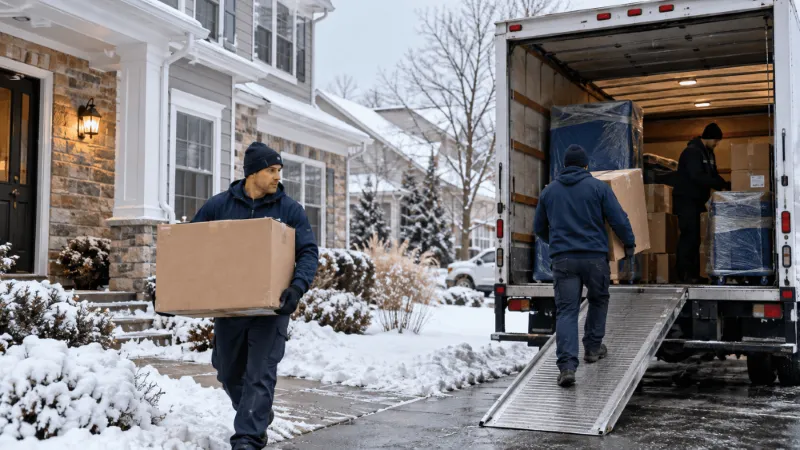
Moving in the Winter? 10 Tips to Make Your Move Easier
September 16, 2026
September 16, 2026
Moving in the winter takes different preparation than a warm-weather relocation. Cold temperatures, unpredictable weather, and shorter daylight hours all add variables that summer movers never have to think about.
Winter moving comes with its own set of challenges. The weather can shift plans overnight, cold temperatures slow everyone down, walkways and driveways turn slippery, daylight hours get shorter, and belongings need extra protection from moisture and cold along the way.
But moving during winter doesn't have to be harder than any other season. With the right preparation, none of this has to derail your move, and winter actually comes with real upsides too.
There's less competition for moving dates. You get more scheduling flexibility. Availability is generally easier than during the peak summer crunch. BoxStar's own data backs this up: January and February are consistently among the least busy moving months, which makes moving in the winter a genuinely flexible time to relocate if you plan around the season's quirks.
10 Tips to Make a Winter Move Easier
1. Have a Weather Backup Plan Before Moving Day
Winter weather is far less predictable than a summer forecast, so moving in the winter requires more built-in flexibility than you'd plan for at any other time of year.
Start checking forecasts several days out, not just the morning of. Stay in touch with your movers about changing conditions as your date gets closer. Have a backup plan ready in case of a delay.
Preparing for the possibility of a schedule shift now means a lot less stress if the weather actually turns.
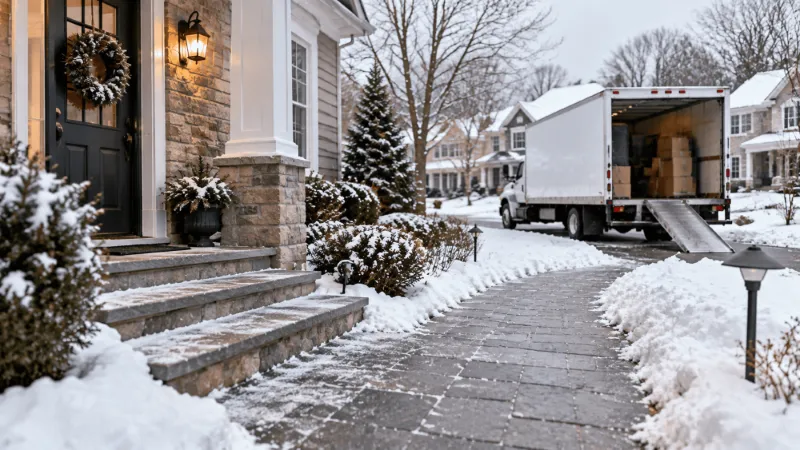
2. Prepare Walkways, Driveways, and Entry Points Before Movers Arrive
Icy or wet access points can slow a move down and create real safety risks for everyone involved.
Before your crew arrives, take care of the basics:
- Clear snow and ice from walkways and driveways
- Salt high-traffic areas
- Remove outdoor obstacles like hoses, toys, or planters
- Make sure entrances are well-lit, since winter days are shorter
Safe, clear access lets your movers work faster and more safely, which keeps your whole timeline on track.
Our guide on how to prepare your house for movers before they arrive covers more of this groundwork in detail.
3. Protect Belongings From Cold and Moisture
Cold weather affects certain household items differently during loading and transport than it does in summer, which is why this is one of the most important winter moving tips on this list.
Wrap furniture properly and protect upholstered pieces from moisture. Keep boxes away from snow and puddles. Give fragile items time to adjust to temperature changes rather than moving them straight from a warm house into a freezing truck.
A few categories need extra attention in winter specifically:
- Electronics, which can be damaged by sudden temperature swings
- Wooden furniture, which is sensitive to both cold and moisture
- Artwork, which can warp or crack in extreme cold
- Any other delicate or temperature-sensitive materials
If you're storing anything before or after your move, our post on how to protect furniture in storage has practical steps worth following in winter, especially.
4. Keep Winter Essentials Separate From Moving Boxes
A cold-weather move makes a well-packed essentials bag more important than ever.
Pack this bag to travel with you, not on the truck:
- Winter coats, gloves, hats, and boots
- Blankets
- Chargers
- Medications
- Cleaning supplies
If your essentials end up buried in a truck for hours, you're stuck without them exactly when you need them most.

5. Start Earlier on Moving Day
Shorter daylight hours are one of the biggest differences between winter moving and a summer relocation.
Build in enough time for loading and unloading before it gets dark. Leave room for weather-related delays. Make the most of the daylight you do have instead of racing the sunset.
Avoiding a late finish matters more in winter, when a delayed move often means finishing in the cold and dark instead of just running a little late.
6. Make Sure Utilities Are Ready Before You Arrive
Arriving at a cold, dark home creates problems you don't need on top of everything else, and it's one of the most common regrets people have after moving during winter without checking ahead.
Confirm your electricity and heating are activated ahead of time. Check your thermostat settings before you walk in. Make sure hot water is working too.
A warm, functional home makes unloading and unpacking dramatically easier.
Once you're settled, our list of the first things to do after moving into a new house is a solid next step.
7. Plan Your Packing Strategy Around Cold Weather
Moving during winter takes more packing organization than a typical move, mostly because of how items are exposed along the way.
Pack frequently used winter items last, so they're accessible right up until moving day. Seal boxes properly against moisture. Avoid leaving anything sensitive sitting outside for long. Organize boxes by priority so the crew knows what needs to move fastest.
Better packing means less time your belongings spend exposed to the cold during loading, which is really the whole goal here.
8. Check Access Conditions at Both Homes
Winter can create access problems that go beyond the weather itself, which is why this is one of the most overlooked moving in winter tips.
Think through apartment parking areas, loading zones, stairs, elevators, and any long pathways between the truck and your door. These issues exist year-round, but winter makes every one of them slower and more important to plan for.
Communicating these details to your movers before moving day gives them time to prepare the right equipment and crew size.
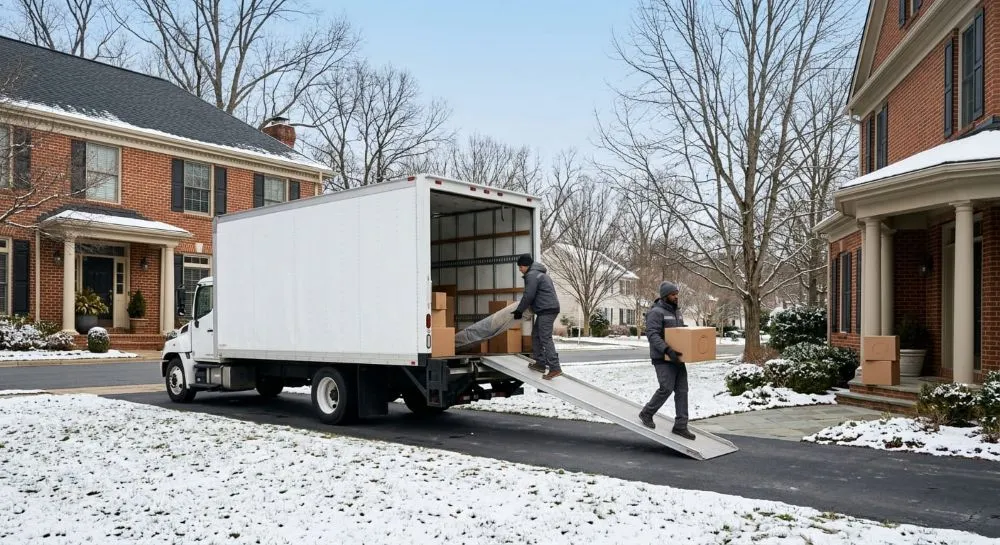
9. Use the Winter Off-Season to Your Advantage
Winter isn't just something to survive. It's genuinely one of the more practical times to move, based on real scheduling data.
Summer months account for roughly a third of annual moving activity. January and February, by comparison, represent only about 10% of that same activity. That gap translates into real advantages:
- More scheduling options overall
- Less competition for your preferred date
- Easier planning around mover availability
That doesn't guarantee a lower price, but it does mean an easier, less rushed booking process.
Our post on when peak moving season actually is breaks down exactly how the calendar shifts throughout the year.
10. Book and Communicate With Movers Earlier Than You Think
Lower winter demand doesn't mean unlimited availability, especially around the holidays.
Confirm your date early. Share any weather-sensitive access details up front. Flag specialty items that need extra care. If your plans could shift, it's worth discussing storage options in advance too, which our guide on short-term storage during a move walks through.
BoxStar offers moving, packing, storage, and specialty moving services built to support exactly this kind of winter planning.
Moving in the Winter Doesn't Have to Be Harder
Winter moving doesn't have to be more difficult than a summer move. It just requires planning for a different set of variables: weather, daylight, and cold-weather logistics instead of heat and peak-season competition. Following the moving-in-winter tips above covers most of what actually trips people up.
The upside is real. Winter's lower moving volume gives you more flexibility to schedule around your own timeline, not everyone else's. For safety guidance on working in cold conditions specifically, OSHA's cold stress resource is a useful reference for what extreme cold does to the body and how to work around it safely.
Get Your Winter Moving Quote
Ready to lock in your date? Request a free moving quote and let's plan your winter move around your schedule, not the season's challenges.


.webp)