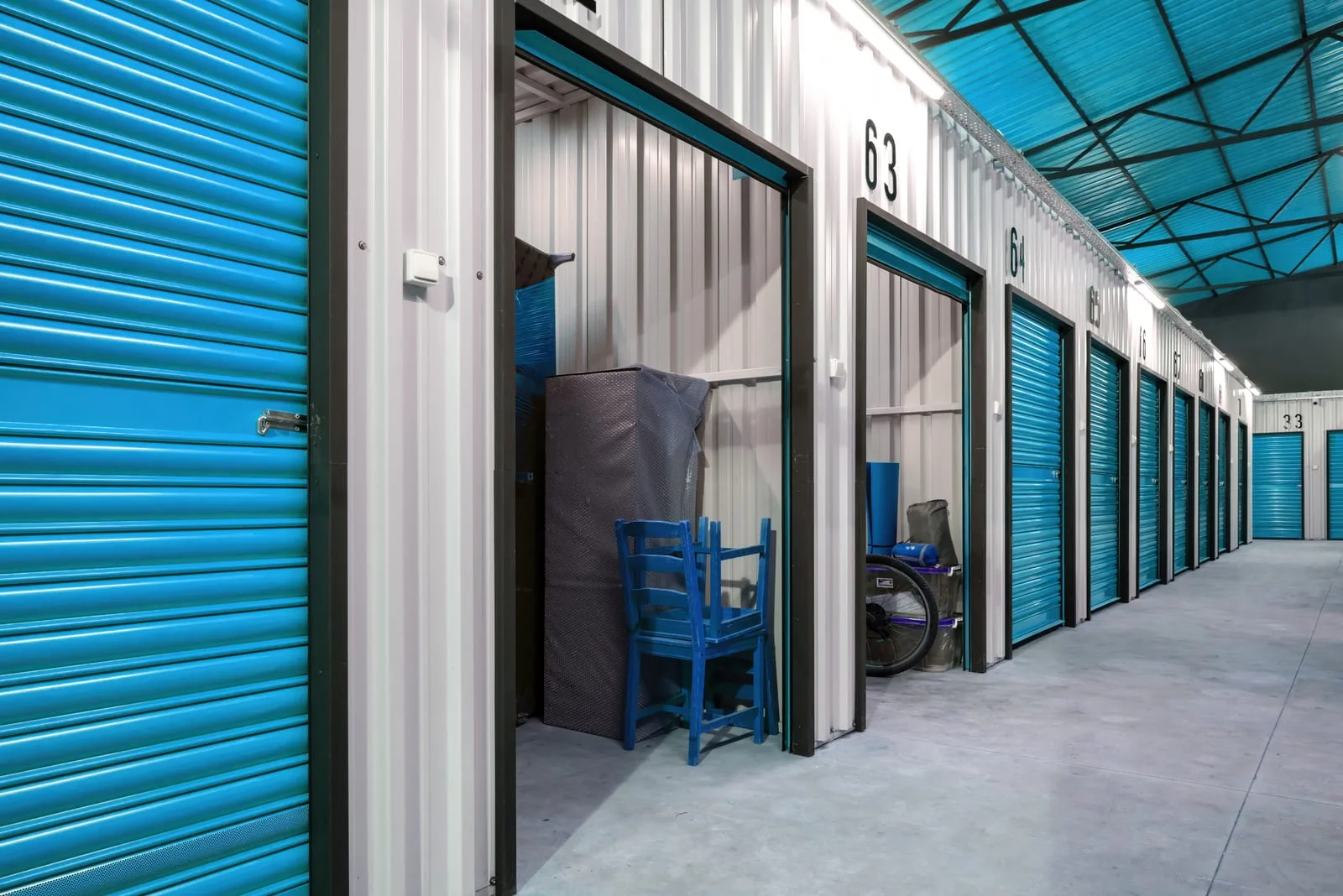
Short-Term Storage During a Move: When It Is Worth It
Moving does not always happen in a single, clean step from one home directly into another. The Self Storage Association's 2025 Self Storage Demand Study found that the share of U.S. households renting a self-storage unit climbed to 12.6% in 2024, up from under 9% two decades earlier, and moving remains one of the most common reasons people rent in the first place.
That growth reflects something most people only discover mid-move: closing date delays, gaps between leases, home renovations, downsizing, and long-distance relocations all create moments where belongings need somewhere temporary to stay.
Short-term storage exists to solve exactly that problem. It keeps belongings secure while a move is in transition, without forcing a household to make permanent decisions under pressure. Moving with short-term storage built into the plan, rather than added as an afterthought, tends to feel far less chaotic than scrambling for a solution once boxes are already piling up.
The sections below cover how short-term storage actually works, when it is genuinely worth considering, and how to decide if short-term moving storage fits a specific move.

How Temporary Storage Works During a Relocation
Short-term storage is a temporary solution used during the moving process, not a long-term place to keep items indefinitely. It typically fits into a move in three steps:
- Belongings are packed and collected, often as part of the same visit as the rest of the move.
- Items are stored securely for a short period, ranging from a few days to a few months.
- Belongings are delivered once the new space is actually ready to receive them.
Used this way, storage becomes part of a full moving plan rather than a separate errand handled on its own. This is really what sets short-term moving storage apart from renting a generic unit on the side: it is scheduled around the move itself, not booked independently. A mover that offers short-term storage alongside packing and transport can often fold all three steps into one coordinated service.
How Short-Term Storage Differs From Long-Term Storage
Short-term and long-term storage solve different problems, even though the units themselves often look identical from the outside. The table below breaks down the practical differences that actually matter when choosing between them.
Short-term storage is almost always about flexibility and managing a transition, while long-term storage functions more like a permanent extension of a home. Understanding which category a specific need falls into makes it much easier to choose the right provider and contract length from the start.

When Short-Term Storage Is Worth Considering During a Move
When Your Closing Dates Do Not Match
Timing gaps between selling one home and buying the next are one of the most common reasons people turn to moving with short-term storage as part of the plan. This can show up in a few ways:
- The old home sells before the new one is actually available
- Paperwork on the new home gets delayed past the expected date
- A move-in date gets postponed after the moving truck is already booked
Storage prevents rushed decisions about where furniture and boxes go in the meantime, instead of forcing a temporary solution like a garage or a friend's spare room.
When You Are Moving Long Distance
Long-distance relocations tend to involve more uncertainty than a move across town. A few scenarios come up often enough to plan around:
- Arriving in a new city before belongings can actually be delivered
- Needing temporary housing between the old home and the new one
- A moving date shifting mid-relocation due to closing or lease timing
Short-term storage adds flexibility when more than one location is involved in the same move.
When You Are Renovating Before Moving In
Emptying rooms makes renovation work faster and safer for everyone involved. Storage protects furniture from dust and damage, creates open workspace for contractors, and keeps belongings out of the way during flooring, painting, or remodeling projects. The same floor protection principles that apply on moving day are worth keeping in mind for whatever stays in the house during the work.
Tip: Wrapping upholstered furniture before it goes into storage adds a layer of protection against dust that accumulates even in a clean facility.
When Downsizing to a Smaller Home
Downsizing often requires more decision-making time than a typical move, especially with sentimental items involved. Short-term storage gives sentimental belongings a temporary home while a household figures out what actually fits in the new space, which helps avoid a decluttering decision made in a rush and regretted later.
The extra time also makes it easier to sell or donate items thoughtfully instead of discarding them just to clear space before moving day.
When Staging a Home Before Selling
Removing excess furniture can make a real difference in how a home presents to potential buyers. Storage creates more open, walkable spaces, gets personal items out of sight, and prepares rooms for showings without permanently getting rid of anything the household still wants.

How to Decide If Short-Term Storage Is the Right Choice
Compare Storage Costs With Moving Complications
Storage is worth weighing against the cost of the alternative, not against zero. This is where a moving budget that already accounts for storage as a line item helps, since it puts the cost in context instead of treating it as a surprise expense. Consider what a lack of storage might actually cost:
- Additional moving labor from an extra trip or awkward temporary setup
- Temporary accommodation costs if timing gaps force a hotel stay
- The cost of replacing items damaged in a rushed, improvised storage setup
- The financial impact of rushed decisions made under time pressure
Note: Short-term storage for moving is usually worth the cost when it prevents a more expensive or more stressful problem down the line, not simply because it feels like an added convenience. Moving with short-term storage as a planned line item, rather than a last-minute add-on, is usually what keeps the cost reasonable.
Consider What Items Actually Need Storage
Not everything from a move needs to sit in a storage unit, and figuring out short-term storage for moving means sorting the load rather than storing all of it by default. A short list of what typically makes sense includes:
- Seasonal belongings not needed right away
- Furniture that will not fit until a renovation or downsizing decision is finalized
- Appliances waiting on a final placement decision
- Decorations and non-essential decor
- Boxes that will not be needed immediately after move-in
Sorting items before booking storage keeps the unit smaller and the cost lower, since paying to store things that could just move directly into the new home rarely makes sense.
Evaluate How Long You Need Storage
Storage needs vary quite a bit depending on the situation. A rough sense of typical ranges helps set expectations before booking anything:
- A few days to bridge a straightforward gap between move-out and move-in
- Several weeks to cover a gap between leases or a delayed closing
- A few months for renovation projects that stretch across the length of the work
Tip: Choosing a provider with flexible, month-to-month terms avoids paying for a longer commitment than a specific transition actually requires.
Having a realistic timeline in mind before booking helps match the right short-term storage option, and the right budget, to the actual length of the gap.
Turning a Transition Problem Into a Manageable One
Short-term storage is most valuable when it solves a specific problem during a move, not as a default add-on for every relocation. Closing date mismatches, long-distance timing gaps, renovations, downsizing decisions, and home staging all create real, temporary needs that short-term storage is built to handle.
Evaluating a timeline, an inventory of belongings, and the overall moving plan before booking helps determine whether short-term storage for moving actually makes sense for a specific situation, rather than defaulting to it out of convenience.
Households that plan ahead tend to get more value out of short-term moving storage, simply because they book the right size unit for the right length of time instead of guessing.
Ready to Add Storage to Your Moving Plan?
Get a free moving quote that includes short-term storage options from BoxStar Movers.