Is Moving During the Holidays a Good Idea? Pros and Cons
Moving during the holidays can be a good idea when the dates are chosen carefully, since winter generally falls outside the busiest summer moving season and some households already have time off. Business closures, winter weather, travel, and family commitments can make certain dates far harder than others.
The advantages depend heavily on which dates are involved. Moving during holidays like Thanksgiving, Christmas, and New Year's each brings different logistics, so the sections below compare the pros, the cons, and the individual holiday periods. They also draw on BoxStar Movers' own job records where those records say something useful.
What Are the Pros of Moving During the Holidays?
Moving during the holidays can offer lower seasonal demand, time off work, a fresh start before January, and more flexible dates, as long as the exact dates avoid the days when companies and buildings are closed.
1. Potentially Lower Demand for Moving Services
Late fall and winter generally fall outside the busiest summer moving season, which can mean less competition for dates. BoxStar Movers' records show the pattern clearly:
In BoxStar's records, June through August carried roughly a third of the work, while January and February carried about a tenth. Two different years and two different measures point to the same shape. Lower demand can mean more open dates and an easier time lining up a crew, though it does not guarantee a lower price.
- Note: These figures describe broader seasonal differences. They do not show demand on specific holidays, how busy December is, or guaranteed lower prices.
For the wider picture, this overview of peak moving season explains why summer fills up first.
2. Time Off Work May Make Relocation Easier
Existing holiday leave or workplace closures can give some customers time to organize a move. A household whose employer closes between Christmas and New Year's, for example, may be able to pack, move, and unpack without using extra vacation days, which makes moving during holidays more practical for some people.
That can reduce the need to request extra days off, which is often the hardest part of scheduling a relocation. Holiday commitments may limit this advantage, since the same days often fill up with travel and family plans. Friends and relatives who might help may be traveling too.
3. An Opportunity to Settle Into Your New Home Before the New Year
Many people like finishing a relocation before January arrives. Moving before the new year can help a household avoid carrying unfinished tasks, such as unpacking, address changes, and setting up the new home, into the months that follow.
Starting the year in a settled home also means utility transfers, mail forwarding, and new routines can be handled while the calendar is still slow, instead of piling onto the first weeks of January.
4. More Flexibility When Choosing Dates Outside Major Holidays
Some weekdays between celebrations may offer more scheduling options than peak-season dates. Generally quieter winter periods are not the same as Christmas Eve, Christmas Day, New Year's Eve, and other dates that may be restricted. Do not assume availability without confirming the company's operating schedule.
The day of the week matters too. Across the 2,247 moves BoxStar completed between September 1, 2025, and September 1, 2026, Saturday was the busiest day, with 414 jobs against 253 on Wednesday. That describes when BoxStar's customers choose to move, not when the whole region moves. Before counting on a quieter date, confirm:
- The mover's operating schedule for that exact date
- Building management hours and elevator availability
- The lease or closing date the move depends on
What Are the Cons of Moving During the Holiday Season?
Moving during the holiday season brings weather, closures, family conflicts, limited mover availability, and traffic, and each can force a schedule change.
1. Winter Weather Can Disrupt Moving Plans
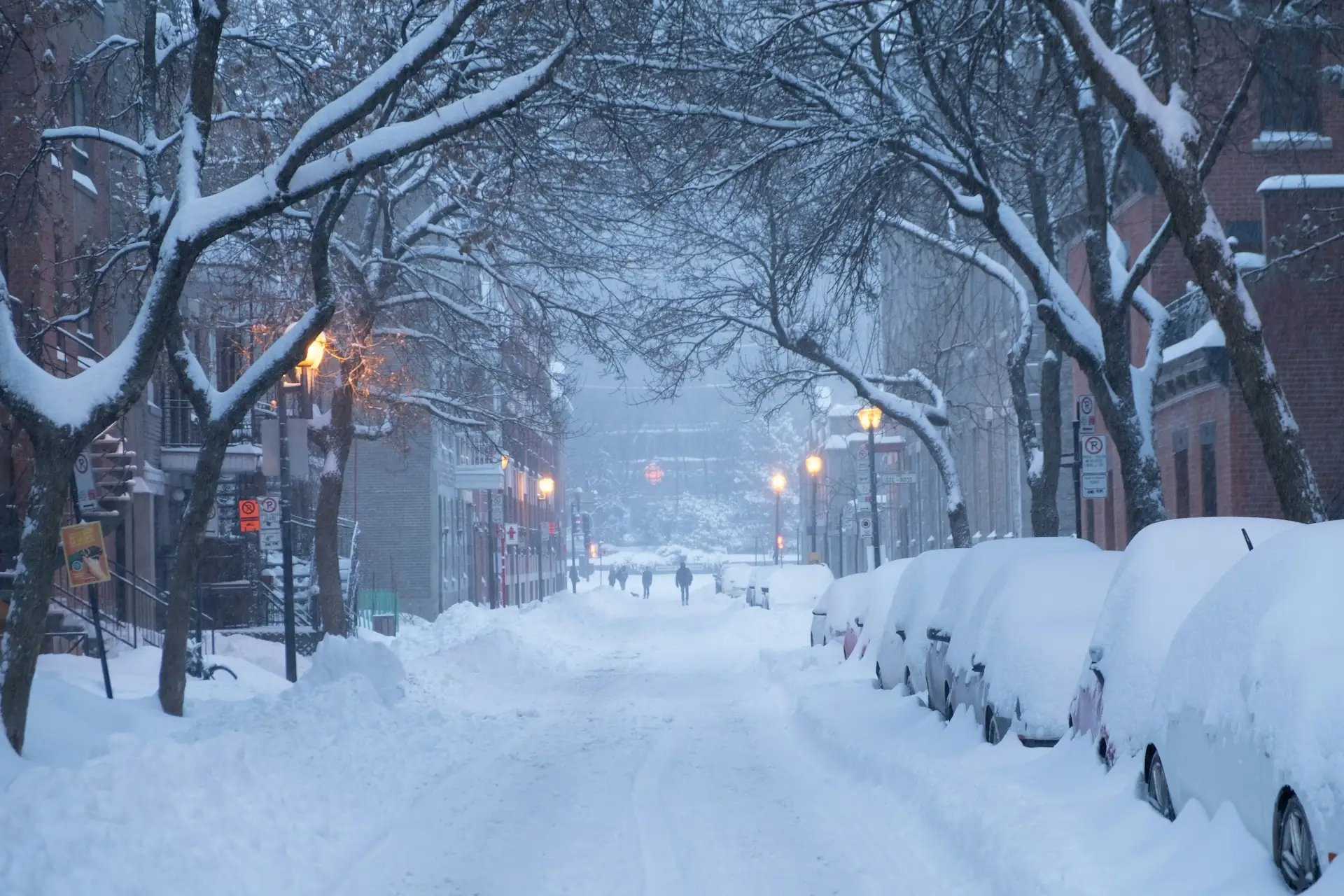
Rain, snow, freezing temperatures, and icy walkways are all possible in Northern Virginia and DC during winter. Poor conditions can complicate loading, transportation, and unloading, and hazardous weather may force a schedule change on short notice.
Wet or icy surfaces slow carrying, especially on stairs, and floors and entryways need protection from wet boots and equipment. When conditions are hazardous, rescheduling may be the safest choice.
- Tip: Ask the company how it handles weather rescheduling, and clear and salt walkways at both addresses before the crew arrives.
2. Holiday Closures Can Complicate Moving Logistics
Many businesses reduce hours around the holidays, which can affect several things a move depends on:
- Leasing offices that hand over keys
- Storage facilities
- Building management and elevator reservations
- Utility providers
Key collection, elevator reservations, and property access may require extra coordination. Some offices and facilities limit access to set hours around the holidays, and move-ins may be handled by appointment only. Confirm holiday schedules for each of them before choosing a moving date.
3. Family Celebrations and Moving Responsibilities May Conflict
Holiday weeks already ask a lot of a household. A move adds to that load, and the combined demands can include:
- Packing and organizing belongings
- Traveling to see family
- Hosting guests
- Finding time for family traditions
A move can also disrupt established traditions, such as where the tree goes or who hosts dinner. Moving during holidays also means a new home may not feel ready for the celebrations.
Households with children face extra challenges, since school breaks and routines change at the same time. Children are home during packing and loading, and familiar traditions may be harder to keep.
4. Moving Services May Have Limited Holiday Availability
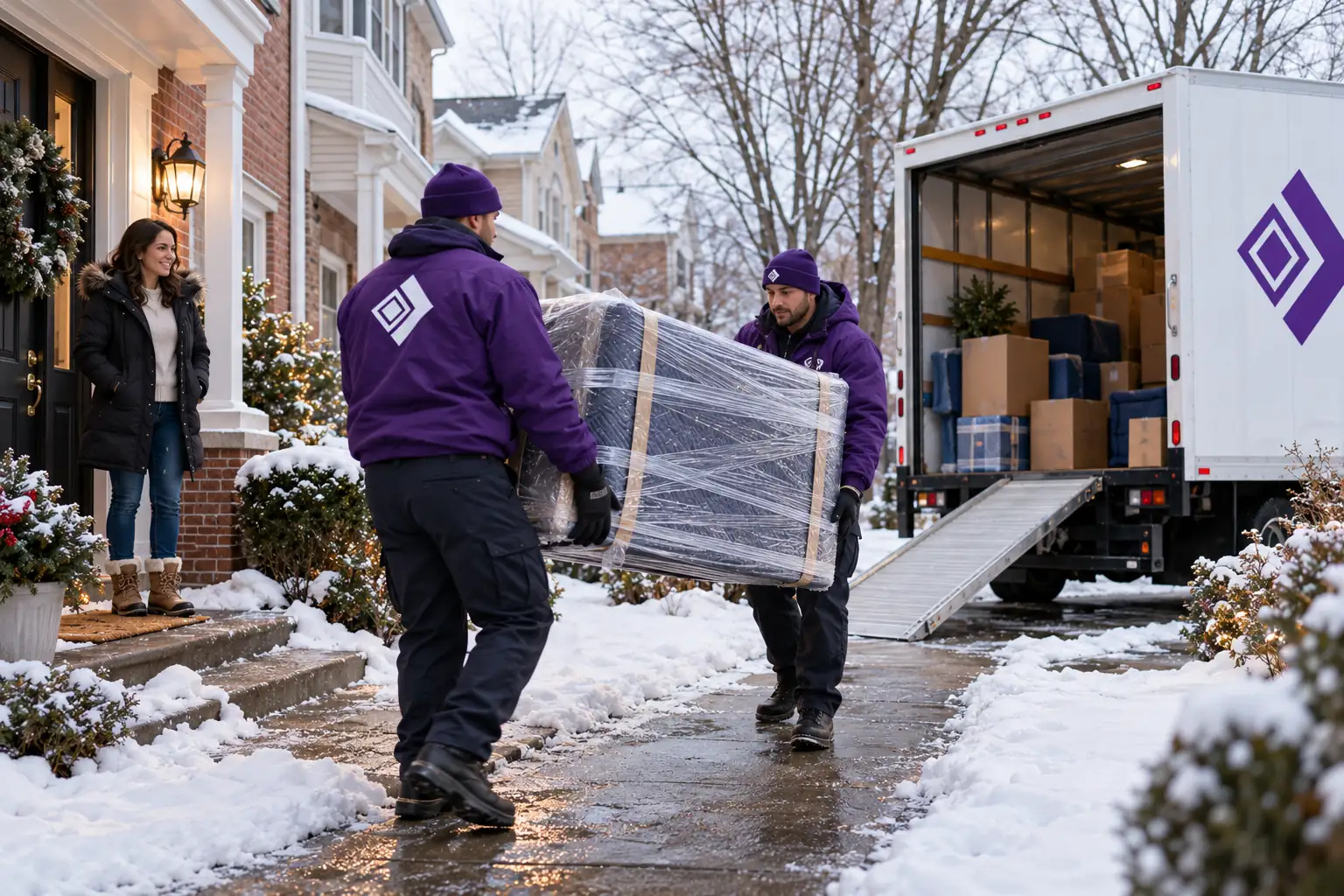
Individual moving companies may run reduced schedules or close on major holidays. Crew members take holidays too, so limited crew availability can affect which dates are open. A company may also run fewer crews on the days just before and after a major holiday. A slower winter season does not necessarily mean movers are available on every holiday.
- Tip: Ask which holidays the company works, and get the answer in writing before building other plans around the date, such as travel or guests.
5. Travel Traffic and Parking Restrictions Can Cause Delays
AAA projected that 122.4 million Americans would travel at least 50 miles from home between December 20 and January 1 in 2025, with 89% taking road trips. Congestion on major DC-area routes can slow a loaded truck, and a drive that is normally short may need extra time.
Local rules matter as well, and several can complicate loading and unloading:
- Parking restrictions on the street
- Neighborhood events that close or crowd roads
- Restricted building access
Check local conditions before moving day, and allow extra time for the drive and the unload.
This guide to moving with only street parking covers the planning involved.
Which Holiday Dates Are More Practical for Moving?
Practicality varies by period, because each holiday window brings different logistics and not all holiday moves are alike.
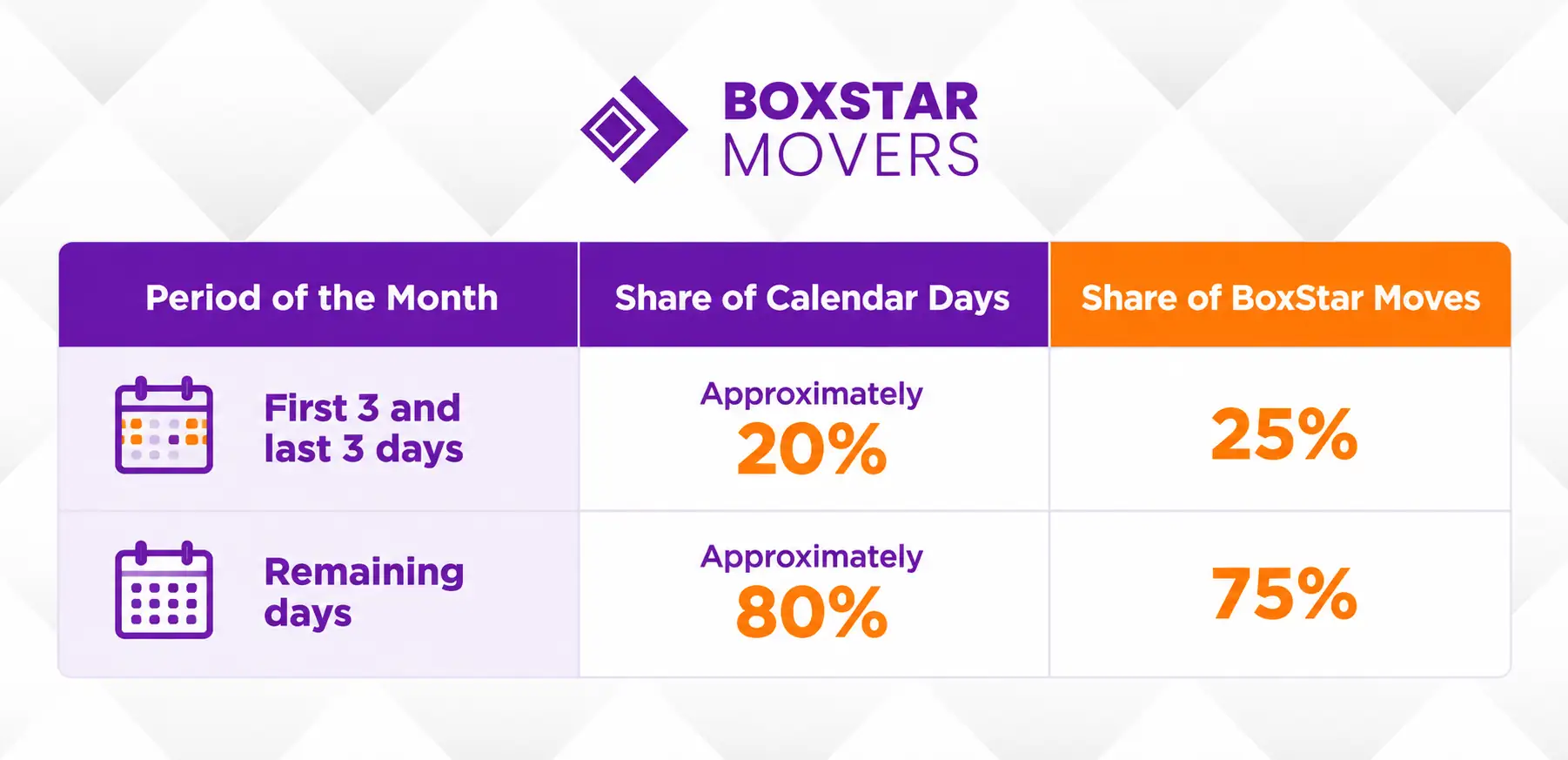
Thanksgiving week and Christmas week each pair time off with the greatest travel and closure risk. Early December and early January sit at the edges, where holiday disruptions tend to be smaller.
The last three days of December and the first three of January also fall in the month-end window. Across the 2,247 moves BoxStar completed between September 1, 2025, and September 1, 2026, 25% fell in the first or last three days of a month, which make up about 20% of calendar days, so those dates may draw more requests.
The most suitable date depends on the customer's circumstances and confirmed mover availability. Weighing each row against your own deadlines usually narrows the field quickly when moving during the holidays: a fixed lease end may rule out early January, while a flexible schedule may make early December the easiest choice.
A seasonal overview of the best times of year to move in Washington, D.C. can help narrow the choices.

Tips for Moving During the Holidays
These tips for moving during the holidays apply to any date:
- Confirm the mover's schedule and holiday policy for the exact date
- Confirm hours for the leasing office, storage facility, and utility providers
- Reserve elevators and parking in advance
- Check the weather forecast a few days before moving
- Pack holiday decorations and everyday essentials separately
- Keep valuables, medications, and important documents with you
Is Moving During the Holidays Worth It?
Moving during the holidays is not inherently a bad idea, but the advantages depend heavily on the dates involved. A move in early December may be relatively straightforward, while relocating on Christmas Eve could present considerably more logistical challenges.
The best choice is the date that allows enough time for the move without creating unnecessary conflicts with holiday commitments, property access, or winter conditions. Tips for moving during the holidays all come down to the same habit: confirm schedules early, and choose dates with the fewest dependencies. A household that checks the mover's calendar, the building's hours, and the forecast before committing has already avoided most of the problems described above.
Ready to Find a Holiday-Season Moving Date?
Once a few dates are on the table, the next step is confirming which ones the company works.
Get your free moving quote now and ask which dates are available for moving during the holiday season.