Best Times of Year to Move in Washington, D.C. — and When to Avoid Traffic Chaos

Rassul Yeshpayev
October 27, 2025
Rassul Yeshpayev
October 27, 2025
Moving to or within Washington, D.C. can feel like a puzzle, right? Especially with all the traffic and events happening. You want to get your stuff from point A to point B without getting stuck in gridlock or paying extra. Figuring out the best time to actually do the moving part is key. This guide breaks down when to pack up and hit the road, and when to maybe just chill and wait a bit.
Key Takeaways
- For the smoothest move and potentially better rates, aim for the fall (September-October) or winter (January). These seasons generally have less demand and more pleasant weather, though winter can bring snow.
- Weekdays, specifically Tuesday through Thursday, are your best bet. They usually mean lighter traffic and fewer crowds compared to busy weekends.
- Try to schedule your move for mid-month, between the 10th and 20th. This period typically sees less competition and lower prices than the end of the month when leases often expire.
- When it comes to the time of day, early mornings (7-9 AM) are ideal for avoiding rush hour and securing parking. Midday (10 AM-2 PM) is a decent second choice.
- Big events like the Cherry Blossom Festival, Fourth of July, Inauguration Day, and the Marine Corps Marathon can cause major disruptions. It's wise to steer clear of these dates if possible.
1. Fall (September–November)
Fall in Washington, D.C. is a pretty sweet spot for moving. The weather cools down from that sticky summer heat, making it way more pleasant to haul boxes. Plus, a lot of the summer craziness dies down, so you might actually find movers with openings.
September and October are generally your best bets. The leaves are turning, there's a crispness in the air, and it just feels like a good time to start fresh. You'll likely deal with fewer crowds compared to the summer months, and the temperatures are just right for physical work.
However, don't forget about the "back-to-school" rush. While it's not as intense as summer moving, some families are still getting settled in late August and early September, which can add a little bit of traffic and demand.
Here’s a quick look at what to expect:
- Weather: Generally mild and pleasant. Think comfortable temperatures, perfect for moving day.
- Crowds: Less busy than summer, but watch out for early September.
- Costs: Can be more reasonable than peak summer, but booking ahead is still smart.
Moving in the fall means you can often avoid the extreme heat of summer and the potential for winter weather disruptions. It's a nice middle ground that many people find works well for their schedules and budgets.
If you're looking for a reliable moving company that knows the D.C. area well, consider checking out BoxStar Movers. They're known for being professional and careful with your belongings, which is exactly what you want when you're relocating.
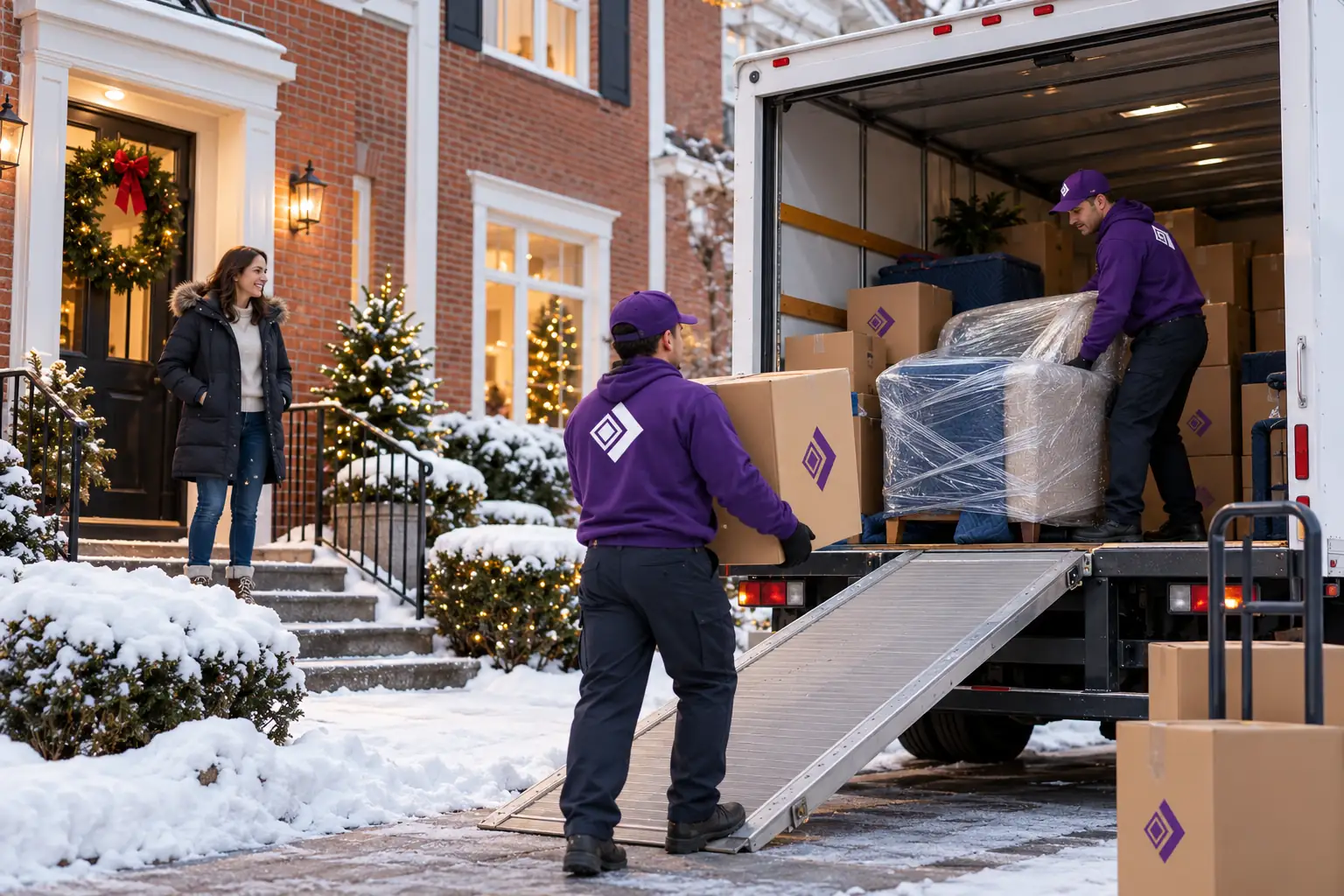
2. Winter (December–February)
Winter in Washington, D.C. can be a surprisingly good time to move if you're looking to save some cash and avoid the biggest crowds. Think fewer people wanting to haul their belongings when it's chilly, which means moving companies might have more openings and potentially lower rates. January, in particular, often sees the lowest prices of the year.
However, winter isn't without its challenges. Snow and ice are a real possibility, and a blizzard can completely derail your moving plans, not to mention make the roads pretty treacherous. You'll also have fewer daylight hours to work with, which can slow things down, especially if you're trying to get everything unloaded before dark.
Moving during the winter months means you'll likely face less competition for movers and potentially better pricing. Just be sure to have a backup plan in case of severe weather, and consider starting your move as early in the day as possible to maximize daylight.
Here's a quick look at what to expect:
- Pros: Lower moving costs, less competition for movers, fewer tourists.
- Cons: Potential for snow and ice, shorter daylight hours, risk of weather delays.
- Tip: Keep an eye on the weather forecast and book your movers with some flexibility in your schedule if possible. January is often the sweet spot for savings.
3. Spring (March–May)
Ah, spring in D.C. The city shakes off its winter coat, flowers start popping up everywhere, and the weather gets downright pleasant. It sounds like a perfect time to move, right? Well, yes and no.
The mild temperatures and blooming cherry blossoms are definitely a big draw for movers. It's a lot nicer hauling boxes when it's not freezing or sweltering. Plus, the city feels alive, which can make the whole process feel a bit more optimistic.
However, spring isn't exactly a secret. Because the weather is so nice, a lot of people have the same idea. This means moving companies can get booked up pretty quickly, and you might find yourself paying a bit more than you would during the off-season. It’s not uncommon for rates to creep up as demand increases.
And let's talk about the rain. Spring in D.C. can be pretty wet. You might get lucky with a string of sunny days, but you could also end up moving during a downpour. It’s always a good idea to have a backup plan for protecting your belongings if the skies decide to open up.
Here’s a quick rundown of what to expect:
- Pros: Pleasant weather, beautiful scenery, city feels more vibrant.
- Cons: Higher demand means potentially higher costs and less availability, frequent rain showers.
- Tip: Book your movers as early as possible if you're set on a spring move. Seriously, don't wait.
While the visual appeal of spring is undeniable, the practicalities of moving during this popular season require careful planning and early booking to avoid unexpected costs and scheduling headaches.
4. Summer (June–August)
Ah, summer in D.C. – long days, sunshine, and… moving chaos. If you're planning a move between June and August, you're jumping into the thick of it. This is peak moving season for a reason: school's out, people want to get settled before the fall, and the weather is generally pretty nice for hauling boxes. However, this popularity comes with a hefty price tag and a whole lot of competition for moving companies and resources.
Think about it: everyone wants to move when it's warm and sunny. This means movers are booked solid, and their rates often go up by 20-30% compared to off-peak times. You'll need to book your moving company well in advance, possibly months ahead, to even get a decent date. Plus, D.C. summers are no joke. The heat and humidity can be intense, making the actual physical labor of moving much more draining for everyone involved, from your hired crew to any friends you've roped into helping.
Here's a quick rundown of what to expect:
- Higher Costs: Expect to pay significantly more for moving services. A local move for a two-bedroom place could easily run between $1,500 and $3,000.
- Limited Availability: Popular moving companies get booked up fast. Last-minute moves are nearly impossible or will cost a premium.
- Intense Heat: Moving in 90-degree weather with high humidity is tough. Make sure to stay hydrated and plan for breaks.
- Event Overlap: While not as disruptive as some other events, summer still has its share of festivals and outdoor activities that can impact traffic.
If summer is your only option, try to schedule your move for a weekday, ideally mid-week, and aim for an early morning start to beat some of the heat and traffic. Also, be sure to have your parking permits sorted out well in advance through the DDOT TOPS system.
While summer might seem convenient with school breaks, the trade-offs in cost and availability are substantial. If you can swing it, consider a different season. If not, prepare for a more challenging, and expensive, relocation.
5. Weekdays (Tuesday–Thursday)

When it comes to moving in Washington, D.C., weekdays often get a bad rap, but honestly, Tuesdays, Wednesdays, and Thursdays can be your secret weapon against traffic chaos. Think about it: most people are stuck at work, right? That means the roads are generally less crowded compared to the weekend frenzy. Plus, getting a parking permit or finding a spot for the moving truck is usually way easier during the week.
These mid-week days are typically the sweet spot for a smoother, less stressful move.
Here’s a quick rundown of why weekdays are often better:
- Reduced Traffic Congestion: While D.C. always has some traffic, it's usually less intense on Tuesdays, Wednesdays, and Thursdays than on Mondays (people returning from weekend trips) or Fridays (people heading out early). This means less idling and quicker transit for your movers.
- Easier Parking: Finding a legal spot for a large moving truck can be a nightmare. Weekdays often present fewer competition for street parking, especially if you've secured the necessary permits in advance.
- More Mover Availability: Moving companies tend to have more openings mid-week. This can sometimes translate to better rates or more flexibility in scheduling your preferred time slot.
While weekends might seem convenient for those with 9-to-5 jobs, the surge in demand often leads to higher prices and more logistical headaches. If you can swing it, taking a day or two off work for a mid-week move is often the smartest play in D.C.
So, if you're planning a move, seriously consider scheduling it for a Tuesday, Wednesday, or Thursday. You might just save yourself a whole lot of hassle and maybe even a few bucks.
6. Weekends (Saturday–Sunday)
So, you're thinking about moving on a weekend in D.C.? It's a popular choice, I get it. Most people work weekdays, so Saturday or Sunday is the only real option to get your stuff from point A to point B without taking time off. It makes sense.
But here's the thing: everyone else has the same idea. Weekends are prime time for movers, which means higher demand. Think about it – moving companies are busier, and so are the streets. You might find it harder to book your preferred moving company, and if you do, they might charge a bit more. Plus, parking can be a real headache, especially in popular neighborhoods. You know how it is trying to find a spot on a Saturday afternoon? Now imagine trying to park a big moving truck.
Here’s a quick rundown of what to expect:
- Higher Demand: More people moving means less availability for movers and potentially higher prices.
- Busier Streets: Expect more traffic and general congestion, which can slow down your move.
- Parking Challenges: Securing a good spot for the moving truck can be tough, especially in dense areas.
- Potential for Event Conflicts: D.C. always has something going on, and weekend events can further complicate street access.
While weekends offer flexibility for those with weekday jobs, they often come with increased costs and logistical hurdles in a city as busy as Washington, D.C. Planning ahead is key to making it work.
If a weekend move is your only option, try to book your movers as far in advance as possible. Also, consider an early morning start. Getting the truck loaded and on the road before the weekend crowds really hit can make a big difference. It's not impossible, just be prepared for a bit more hustle.
7. Mid-Month Moves (10th–20th)
When you're planning a move, especially in a busy city like Washington D.C., timing can really make a difference. Thinking about when to schedule your move can save you a lot of hassle and even some cash. Aiming for the middle of the month, specifically between the 10th and the 20th, is often a smart move.
Why is this period so good? Well, it's usually after the initial rush of people moving at the beginning of the month, and before the big push at the end of the month when leases typically expire. This means fewer people are trying to book moving companies, and the movers themselves might have more availability.
Here's a quick look at why mid-month works:
- Less Competition: Fewer people are moving, so it's easier to get the moving company you want on the date you want.
- Potentially Lower Costs: With less demand, moving companies might offer better rates. You can often find the cheapest moving rates by booking your move mid-month and midweek. This strategy can help you avoid higher weekend moving fees, especially in cities like Washington D.C., Philadelphia, and Houston where hourly rates tend to drop during these times.
- Smoother Logistics: Less overall activity means less traffic congestion and potentially easier parking, which is a big deal in D.C.
Of course, life happens, and sometimes you can't control when you need to move. But if you have flexibility, targeting that 10th to 20th window can really pay off. It's a simple adjustment that can lead to a much less stressful moving day. Just remember to book your movers in advance, even during this less busy period, to lock in your preferred company and time slot.
8. End-of-Month Moves
Okay, so let's talk about moving at the end of the month in D.C. This is generally when things get a bit hectic. Think about it: leases often end on the 30th or 31st, and new ones start on the 1st. This creates a huge surge in demand for moving companies and truck rentals.
This means you're likely to pay more and have fewer options if you try to move during this period. It's not just about the movers; the roads themselves get busier with everyone else trying to get their move done. Parking can become a nightmare, and coordinating with building management for elevator access or loading docks? Forget about it unless you booked way, way in advance.
Here’s a quick look at why it’s usually tougher:
- Higher Demand: Everyone seems to be moving.
- Increased Costs: Movers often charge more due to the rush.
- Limited Availability: Good moving companies get booked up fast.
- Traffic Congestion: More trucks and cars on the road.
If you absolutely must move at the end of the month, try to schedule your move for the very first day of the next month, or the last day of the current one, as early in the morning as possible. This might give you a slight edge, but be prepared for the general chaos.
Honestly, if you can swing it, aim for the middle of the month instead. It's usually a much smoother experience.
9. Early Morning (7–9 AM)
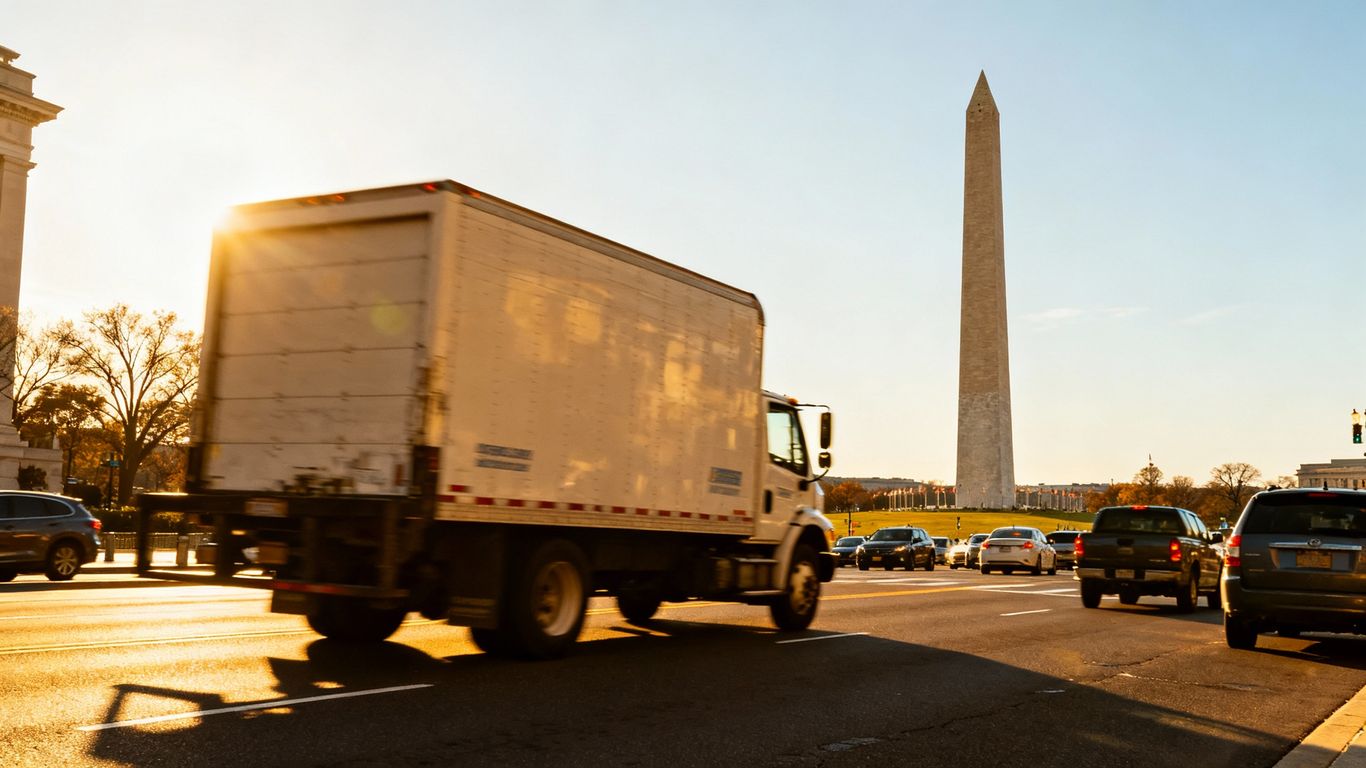
Getting an early start on moving day can really pay off, especially in a city like D.C. that loves its traffic jams. Aiming for the 7 to 9 AM window means you're likely to beat the worst of the morning rush hour. This is super helpful for getting your moving truck where it needs to be without getting stuck on I-395 or navigating around a million commuters. Plus, finding parking for a big truck is usually a bit easier before the city fully wakes up and fills every available spot.
This time slot is particularly good if you're moving into or out of a high-rise building. You can often reserve an elevator for a specific time, and getting that first slot in the morning is a big win. It means your movers can get straight to work without waiting around.
Here’s why the early bird gets the worm (or in this case, the unpacked boxes):
- Less Traffic: You'll avoid the peak commute times when roads are packed.
- Easier Parking: Finding space for a moving truck is less of a headache.
- Elevator Access: Securing prime elevator time in apartment buildings is more likely.
- Quicker Start: Movers can begin loading or unloading right away, setting a good pace for the day.
While it might mean an early alarm, tackling your move between 7 and 9 AM can significantly reduce stress and potential delays. It's a strategic move to get ahead of the game before the city's daily hustle truly kicks in.
10. Midday (10 AM–2 PM)
If you can't swing an early morning move, the midday window between 10 AM and 2 PM is your next best bet. It's not quite as clear sailing as the crack of dawn, but it's definitely better than the afternoon rush.
This time frame generally offers a decent balance between manageable traffic and available parking. You'll likely encounter more cars on the road than in the early morning, but it's usually not the peak congestion you'll see later in the day. Think of it as the city hitting its stride, but before it gets completely overwhelmed.
Here’s a quick look at what to expect:
- Traffic: Moderate. You'll see regular city traffic, but it's less likely to be gridlock compared to the afternoon.
- Parking: Still a bit of a challenge, especially in popular neighborhoods, but often more feasible than during rush hour.
- Movers: Most moving companies are fully operational and have crews available.
- Logistics: It’s a solid chunk of time to get a good amount of work done before the late afternoon slowdown.
While not as ideal as an early start, the midday period provides a practical window for moving. It allows for a reasonable amount of time to load and unload without the extreme stress of peak rush hour, making it a viable option for many.
If you're coordinating with a moving company, they'll likely be happy to schedule you during this time if your preferred early morning slot is taken. Just remember to keep an eye on your watch and try to wrap things up before the 3 PM wave starts to build.
11. Afternoon (3–7 PM)
Oh, the afternoon. Specifically, the 3 PM to 7 PM window in D.C. If you're planning a move, this is generally the time you'll want to steer clear of. Think about it: everyone is trying to get home from work, school's letting out, and the city just gets jammed. Trucks are big, they're slow, and they don't exactly weave through traffic like a motorcycle.
Trying to navigate a moving truck through D.C. during peak rush hour is a recipe for stress and delays. It's not just about sitting in traffic, either. Parking becomes a nightmare, and you might find yourself circling the block endlessly, adding precious time and frustration to an already demanding day.
Here’s a quick look at why this time is usually a no-go:
- Gridlock: Major roads and even smaller streets get packed. Your movers could be stuck for hours.
- Parking Woes: Finding a legal spot for a large moving truck is tough enough. During rush hour, it’s nearly impossible.
- Increased Costs: Longer hours for your moving crew often translate to higher bills.
- Safety Concerns: More cars on the road mean a higher chance of minor fender-benders, which nobody wants.
If your move absolutely has to happen during these hours, be prepared for a significantly slower process. It might be worth looking into reserving a loading zone or discussing contingency plans with your moving company well in advance. Sometimes, a little extra planning can save a lot of headaches.
While it might seem like a convenient time to get things done after a typical workday, the reality of D.C. traffic during these hours makes it one of the least ideal times for a move.
12. Cherry Blossom Festival (March–April)
Ah, spring in D.C. – it’s beautiful, isn't it? The cherry blossoms are absolutely stunning, drawing crowds from everywhere. And while that sounds lovely for a stroll, it’s a whole different story when you’re trying to move.
During the Cherry Blossom Festival, expect significant disruptions. The National Mall and surrounding areas become packed with tourists, and there are often road closures to manage the flow of people. This means getting a moving truck through certain parts of the city can be a real headache, and parking your moving truck will be nearly impossible.
Here’s what you’re up against:
- Traffic Jams: Roads near the Tidal Basin and other popular viewing spots get gridlocked.
- Limited Access: Some streets might be closed off entirely, forcing detours that add time and distance to your route.
- Parking Nightmares: Finding a legal spot for a large moving truck becomes a monumental task.
- Increased Demand: Movers might be busier, and some might even charge a premium or refuse to service areas heavily impacted by the festival.
If your move dates fall within March or April, and especially if you’re moving to or from areas near the Mall, it’s wise to plan around this event. Consider shifting your move to a different week if possible. If you absolutely must move during this time, book your movers extra early and be prepared for potential delays and higher costs.
Moving during peak tourist season, especially for a major event like the cherry blossoms, is generally not recommended if you can help it. The added stress of navigating crowds and potential traffic snarls can really put a damper on what should be an exciting new beginning.
13. Fourth of July
Moving on the Fourth of July in Washington, D.C. can be a bit of a challenge, mostly due to the celebrations happening all over the city. Think parades, fireworks, and a whole lot of people out and about. This means you'll likely run into road closures, especially in popular areas like the National Mall and other downtown spots.
If you absolutely must move on this day, plan for significant delays and be prepared to reroute.
Here's what you should keep in mind:
- Road Closures: Expect major streets, particularly around the Mall and Capitol Hill, to be blocked off for parades and events. This can make getting a moving truck in and out of certain neighborhoods a real headache.
- Traffic Congestion: Even areas not directly affected by closures will see heavier traffic as people move around to catch fireworks or attend gatherings.
- Parking Hurdles: Finding a legal parking spot for a moving truck will be tough. You might need to secure special permits well in advance, and even then, it's not guaranteed.
Moving on a major holiday like the Fourth of July is generally not recommended if you want to avoid stress. The city is buzzing with activity, and that activity often translates to logistical nightmares for movers.
If your moving date is flexible, it's a much better idea to shift it to a day before or after the holiday. This way, you can avoid the crowds, the closures, and the general chaos that comes with celebrating Independence Day in the nation's capital.
14. Inauguration (January, every 4 years)
Moving during an Inauguration year in Washington, D.C. is, to put it mildly, a challenge. This event, which happens every four years in January, brings an enormous number of people to the city. Think massive crowds, heightened security everywhere, and a whole lot of road closures that can pop up with little notice.
If you absolutely must move during an Inauguration period, prepare for significant disruptions. It's not just about traffic; it's about navigating security checkpoints and potential access issues to certain neighborhoods. Movers might also charge more due to the complexity and potential delays.
Here's what you're up against:
- Unpredictable Road Closures: Streets around the National Mall and Capitol Hill will likely be shut down, sometimes with very little advance warning.
- Increased Security: Expect a much heavier police and security presence, which can slow down movement even in areas not directly affected by closures.
- Higher Demand for Services: If you can even find movers available, they'll likely be booked solid and may have premium pricing.
- Logistical Nightmares: Simple tasks like parking a moving truck can become incredibly difficult, if not impossible, in many parts of the city.
Moving during an Inauguration is generally not recommended unless it's unavoidable. The sheer volume of people and the security measures in place create a chaotic environment that can make a relocation incredibly stressful and expensive. It's best to try and schedule your move for a different time if at all possible.
If your move date is fixed and falls around an Inauguration, try to schedule it for the earliest possible day in January, well before the actual ceremony, or push it to late February. Even then, stay hyper-vigilant about local news and DDOT advisories for any last-minute changes.
15. Marine Corps Marathon (October)
If you're planning a move in October, you'll want to be aware of the Marine Corps Marathon. This event, usually held on the last Sunday of October, brings a significant number of runners and spectators to the city. Road closures are extensive and can impact travel across multiple neighborhoods.
Think about it: thousands of people are running, and that means streets are blocked off. This isn't just a minor inconvenience; it can seriously mess with your moving truck's route and timing. Movers might have to take much longer detours, adding time and cost to your move. Plus, getting around the city in your personal vehicle can become a real headache.
Here's what you should keep in mind:
- Major Street Closures: The marathon route typically goes through parts of Arlington, VA, and then into DC, hitting areas like Hains Point, the National Mall, and Georgetown. Check the official Marine Corps Marathon website for the exact route and timing each year.
- Traffic Delays: Even streets not directly on the route can experience increased traffic as people try to find alternate ways around the closures.
- Parking Challenges: Parking near the route can be impossible on marathon day, and some areas might have temporary parking restrictions.
If your move date falls on or very near the Marine Corps Marathon, it's highly recommended to reschedule if possible. If you absolutely must move that weekend, plan for significant delays and communicate closely with your moving company about potential route changes and extra time needed. Consider moving on a Friday or even the Monday after to avoid the worst of it.
While October generally offers great weather for moving, this specific event is a big one to watch out for. It's better to be prepared or simply pick a different weekend.
16. Thanksgiving Day
Thanksgiving Day itself is surprisingly one of the best days of the year to move in Washington, D.C. While most people are home enjoying turkey or watching parades, the roads are significantly lighter than usual. If you can schedule your move for this holiday, you'll likely encounter less traffic than on almost any other day.
However, it's not entirely clear sailing all day. There's a specific window you'll want to avoid if possible.
Thanksgiving Day Traffic Clock
- Before 10:00 AM: This is your prime time. Roads are very light, and you'll have an easier time getting your moving truck where it needs to go. Most folks are still at home getting their feast ready.
- 11:00 AM – 3:00 PM: This is the "local rush" period. People are heading out for family dinners, making last-minute grocery runs, or picking up relatives. Expect increased congestion on city streets and major highways.
- After 7:00 PM: Things calm down again as most people have settled in for the evening. This can be another good window for a late move.
While Thanksgiving Day offers a reprieve from the usual D.C. traffic chaos, remember that local events or unexpected road closures can still pop up. Always check your navigation app for real-time updates, even on a holiday.
Moving on Thanksgiving might seem a bit unconventional, but for avoiding traffic headaches, it's a smart choice. Just be mindful of that midday surge, and you should be golden. It's a great way to get settled before the real holiday travel madness begins later in the week.
17. Wednesday Before Thanksgiving
Okay, so you're thinking about moving right before Thanksgiving? Let's talk about the Wednesday before the big holiday. This is widely considered the absolute worst day of the year for travel, and that includes moving. Millions of people are trying to get a head start on their holiday journeys, leaving work early to beat the supposed traffic, but instead, they create a massive traffic jam themselves.
If your move is set for this day, expect delays. The roads will be packed, and getting your belongings from point A to point B will take significantly longer than usual. It's a recipe for stress, especially when you're already dealing with the logistics of a move.
Here's a rough idea of what the traffic looks like:
- Before 1 PM: Things might still be somewhat manageable, though you'll notice more cars than a typical Wednesday.
- 1 PM - 7 PM: This is the peak "getaway" window. Expect heavy congestion, slow-downs, and potentially gridlock on major routes.
- After 7 PM: Traffic might start to ease up a bit, but you'll still be dealing with the tail end of the rush.
Moving on the Wednesday before Thanksgiving is a gamble. You're essentially trying to navigate a sea of holiday travelers, all with the same goal of getting somewhere else. It's a day where patience is tested, and even the most organized moves can get derailed by unexpected delays.
If you absolutely must move around this time, consider pushing it to Monday or Tuesday if possible. Those days are significantly less chaotic. If Wednesday is your only option, try to schedule your movers for the earliest possible slot, ideally before noon, and be prepared for a longer moving day than you might anticipate. Getting a quote from a mover like Boxstar Movers early on can help you plan, but even the best services will struggle with this level of congestion. Get a moving quote well in advance if this is your chosen date.
18. Sunday After Thanksgiving
Ah, the Sunday after Thanksgiving. If you thought Wednesday was bad for travel, this day often takes the cake for sheer misery. Everyone is trying to get back home, back to work, back to school, and the roads turn into a parking lot. This is generally considered one of the worst days of the entire year to be on the road.
Think of it as the reverse of Wednesday's exodus. Instead of heading out, everyone is heading in. This means highways, especially major interstates and routes leading into urban centers, will be packed. You're looking at significant delays, especially if you're trying to get back into a major city like D.C.
Here's a rough idea of what to expect:
- Morning (9 AM - 12 PM): Traffic starts building. It's not peak yet, but you can feel the pressure mounting.
- Afternoon (12 PM - 6 PM): This is the absolute worst. Expect slow-downs, stop-and-go traffic, and potentially hours added to your travel time.
- Evening (After 6 PM): Things might start to ease up slightly, but it will still be heavier than a normal Sunday evening.
If your move is scheduled for this day, you'll want to plan meticulously. Consider:
- Starting your move very early in the morning, before the main rush hits.
- Or, if possible, pushing your move to Monday. While Monday can also be busy, it's usually not as bad as the Sunday after Thanksgiving.
- Getting multiple written estimates from licensed movers in Virginia well in advance, as availability might be tight.
This day is a classic example of holiday travel rebound. People have enjoyed their time off, but now reality looms, and the collective urge to get home creates a traffic tidal wave. It's a day where patience is not just a virtue; it's a necessity.
19. Black Friday
Black Friday. You hear the name and immediately think of throngs of people battling for the latest TV or that must-have toy. And yeah, the stores themselves? They're going to be packed. But when it comes to actually moving in or around Washington, D.C., Black Friday can be surprisingly okay. Most of the holiday travel chaos happens on Wednesday and Sunday, leaving the Friday after Thanksgiving relatively clear on the major roads.
This is a great day to move if you want to avoid the worst of the holiday travel rush. While everyone else is either recovering from their turkey coma or braving the mall crowds, you can potentially have a smoother experience on the highways.
Here's a quick look at why it's better than you might think:
- Less Long-Distance Travel: Most people have already traveled to their destinations by Wednesday or are heading home on Sunday. Black Friday sees fewer people making those big, cross-country treks.
- Local Focus: The traffic you will encounter is mostly local shoppers heading to and from stores. This tends to be more concentrated around shopping areas rather than spread across major commuter routes.
- Post-Holiday Lull: Many people are taking the day off or are simply too full of pie to want to be on the road. This creates a bit of a lull in overall traffic volume.
While the malls will be a zoo, the actual act of driving across town or out of the city on Black Friday can be much less stressful than you'd expect. Just be mindful of areas directly surrounding major shopping centers.
Of course, it's not entirely traffic-free. If your move involves navigating through areas with large shopping centers, expect some localized slowdowns. But compared to the days leading up to and following Thanksgiving, Black Friday offers a much more manageable window for your moving truck.
20. Monday After Thanksgiving
So, you've survived Thanksgiving and maybe even braved the post-holiday shopping frenzy on Black Friday. Now comes the Monday after Thanksgiving. This day is often overlooked in the grand scheme of holiday travel chaos, but it's actually a pretty solid choice if you're looking to move. Most people are back at work or school, meaning the roads are significantly less crowded than the preceding Sunday.
Think about it: Sunday is the big "get back home" day for many families. By pushing your move to Monday, you completely sidestep that massive exodus. You're essentially catching the tail end of the holiday travel wave, but with much lighter traffic.
Here's a quick look at why Monday can be a good move day:
- Reduced Commuter Traffic: The usual Monday morning rush is still there, but it's less intense than a typical weekday because many people are still taking extended leave or have adjusted their schedules.
- Fewer Holiday Travelers: The bulk of people returning from holiday visits have already made their journey on Sunday.
- Moving Companies Available: While some moving companies might be fully booked, you're more likely to find availability on a Monday than on the peak travel days of Wednesday or Sunday before Thanksgiving.
While Monday after Thanksgiving is generally better than Sunday, it's still wise to check local traffic patterns. Major routes in and around D.C. can still experience congestion, especially during typical rush hours. Planning your move for mid-morning or early afternoon can help you avoid the worst of it.
If you're coordinating with movers, booking them for a Monday move after Thanksgiving could mean a smoother, less stressful transition into your new place. Just be sure to confirm their availability well in advance, as holiday weekends can still impact service schedules.
The Monday after Thanksgiving is a busy day for many. People are returning to work after a long holiday weekend, and often, they're thinking about moving. If you're one of those people considering a move, don't wait too long to plan. Get a head start on your relocation by visiting our website today to learn more about our services and book your move!
Wrapping It Up
So, when it comes down to it, picking the right time to move in Washington, D.C. really can make a world of difference. Aiming for the fall or even winter months, shooting for a weekday in the middle of the week, and definitely steering clear of those big city events will help you save some cash and avoid a whole lot of headaches. And hey, if you're looking for a local crew that knows this city like the back of their hand, someone to handle all the tricky timing and logistics so you can just focus on settling in, give us a shout. We're here to make your move as smooth as possible so you can get on with the next chapter.
Frequently Asked Questions
What's the cheapest time to move in Washington, D.C.?
To save some cash, aim for the winter months, like January or February. Moving in the middle of the month, between the 10th and the 20th, is also usually cheaper than moving at the very beginning or end of the month. Plus, weekdays, especially Tuesdays and Wednesdays, tend to be less expensive than weekends.
Is it better to move on a weekday or a weekend in D.C.?
Weekdays are generally better for moving in D.C. Tuesdays, Wednesdays, and Thursdays usually have less traffic and fewer people moving, which can make things much smoother. Weekends are popular because people don't have to take time off work, but this means more competition for movers and busier streets.
How does D.C. weather affect moving?
The weather can definitely make a difference. Super hot summer days can be tough to move in, and winter snow or ice can cause delays. Fall, with its milder temperatures, is often considered the most pleasant time weather-wise for moving in D.C. Spring can be nice too, but it often comes with more rain.
Do moving companies help with parking permits in D.C.?
Many professional moving companies, especially those with local D.C. experience, can help you sort out parking permits. It's a good idea to ask about this when you book your movers, as getting the right permits can prevent tickets and make sure your moving truck has a place to park.
Should I avoid moving during big D.C. events?
Yes, it's usually a good idea to steer clear of major D.C. events if you can. Things like the Cherry Blossom Festival, the Fourth of July, or even the Marine Corps Marathon can shut down streets and make traffic incredibly difficult. Planning your move around these times will save you a lot of hassle.
When is the best time of day to move in D.C.?
To avoid the worst of D.C.'s famous traffic jams, try to schedule your move for early in the morning, between 7 and 9 AM, before rush hour really kicks in. Midday, from about 10 AM to 2 PM, can also be a decent option. It's best to avoid the late afternoon rush from 3 PM to 7 PM.