How Long Does It Take to Unpack After Moving? Realistic Timeline & Tips
Rassul Yeshpayev
February 20, 2026
Rassul Yeshpayev
February 20, 2026
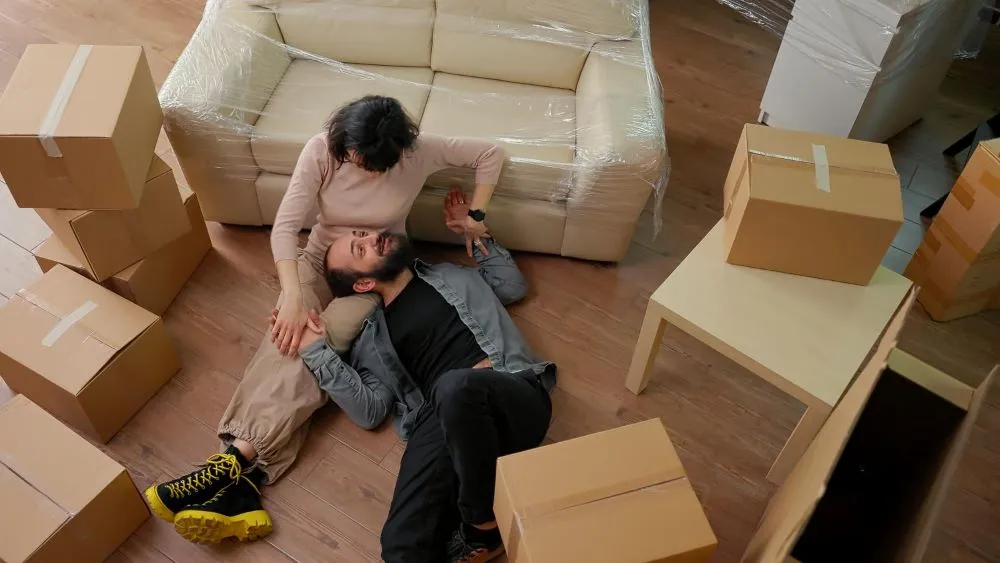
Many people carefully plan their move but underestimate what happens afterward. Boxes pile up in every room, essentials get lost, and daily routines remain interrupted far longer than expected. Understanding how long does it take to unpack after moving helps set realistic expectations and reduces frustration during the transition into a new home.
Unpacking is not simply reversing the packing process. It involves decision-making, organizing new spaces, assembling furniture, and adapting household systems. Without structure, unpacking stretches into weeks or even months. Knowing how to unpack after moving efficiently restores comfort faster and prevents clutter from becoming permanent.
Some households handle unpacking independently, while others rely on moving and unpacking services to speed up the process. Regardless of approach, clear timelines and prioritization strategies make settling in significantly easier.
What Impacts Your Unpacking Timeline
No two households unpack at the same pace. Several factors influence how long it takes to fully settle into a new space.
Size of Home and Volume of Boxes
Larger homes naturally require more time. More rooms mean more boxes, furniture, and storage areas to organize. A studio apartment may be unpacked in a few days, while a multi-bedroom home can take several weeks to complete. The total number of boxes also affects progress; every container must be opened, sorted, and placed intentionally.
Additionally, storage spaces such as garages, basements, and attics often get unpacked last. These areas can extend the overall timeline if not planned in advance.
Quality of Pre-Move Packing
How items were packed before the move directly affects unpacking speed. Clearly labeled boxes, organized room-by-room packing, and separation of essentials reduce time spent searching. Poor labeling, mixed-item boxes, and overpacked containers slow progress and create unnecessary decision fatigue.
Structured packing leads to structured unpacking. This connection is often overlooked during moving preparation.
Typical Unpacking Phases After a Move
Unpacking follows natural phases. Recognizing these stages helps establish realistic expectations rather than assuming everything will be completed immediately.
First 24 Hours Essentials
The first day focuses on basic survival needs. Bedding, bathroom supplies, medications, basic kitchen items, chargers, and daily clothing are unpacked first. These essentials allow normal routines to continue even while the rest of the home remains in boxes.
During this phase, furniture is usually assembled and major appliances positioned, creating functional living areas.
First Week Organization
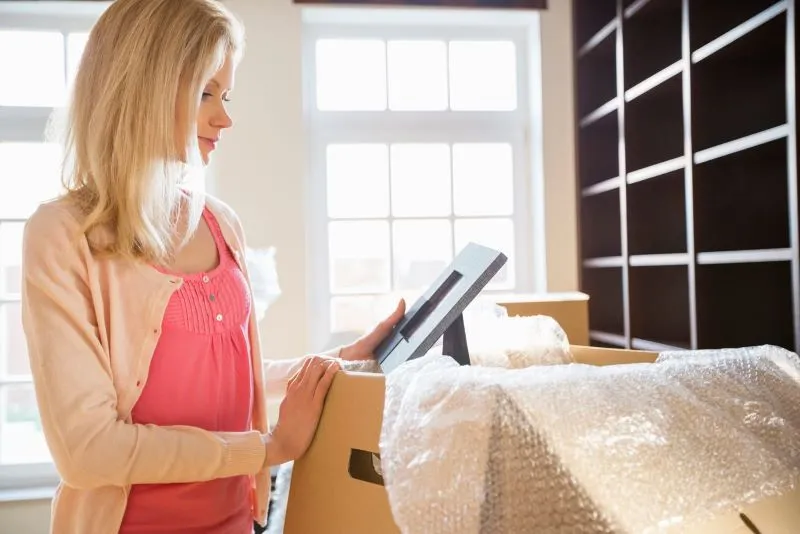
The first week is dedicated to unpacking primary living spaces. Kitchens, bedrooms, and main living rooms are organized. Decorative items and secondary storage spaces often remain boxed at this stage.
Decision-making is more frequent during this phase, as homeowners determine where items best fit in the new layout.
Final Room Setup
The final stage involves less-used areas such as guest rooms, home offices, garages, and storage closets. Artwork, decorations, and memorabilia are arranged. This phase may stretch over several weeks, especially when daily responsibilities limit unpacking time.
Understanding these phases clarifies how long does it take to unpack after moving and prevents unrealistic expectations.

Strategies to Unpack Faster
Unpacking speed is rarely about working faster — it is about working smarter. After a move, physical fatigue, decision overload, and unfamiliar room layouts can slow progress dramatically. Without a clear strategy, boxes remain unopened, clutter builds, and motivation drops. Creating simple structure and consistent routines transforms unpacking from an exhausting task into a manageable daily process. Knowing how to unpack after moving efficiently prevents burnout and keeps your new home from feeling permanently unfinished.
A common mistake is attempting to unpack everything at once. This leads to half-finished rooms, misplaced belongings, and frustration. Instead, successful unpacking relies on prioritization, repetition, and realistic pacing. Small daily achievements build momentum and prevent the sense of being overwhelmed by endless boxes.
Prioritizing Rooms
Focusing on one room at a time creates visible progress and functional living areas early in the process. When a single room is completed, it provides a sense of order and accomplishment that encourages continued effort. Scattered unpacking across multiple rooms often results in chaos rather than progress.
Bedrooms and bathrooms should typically come first. Having a fully set up sleeping space and functional bathroom immediately restores basic comfort. Kitchens often follow, since access to food preparation helps reduce reliance on takeout and restores daily routines. Living rooms and workspaces come next, allowing relaxation and productivity to resume.
Storage areas such as basements, garages, and spare rooms can be left for later stages. These spaces rarely affect daily living and can be unpacked gradually once primary areas are organized. This staged approach ensures that essential spaces feel settled even while less critical rooms remain in progress.
Prioritization also reduces decision fatigue. Each completed room eliminates repeated choices about item placement and storage, making later unpacking easier and faster.
Staying Consistent With Daily Goals
Consistency is one of the most effective tools for speeding up unpacking. Instead of setting unrealistic expectations to finish everything in a day or two, establishing achievable daily goals keeps progress steady without exhaustion. Even unpacking five to ten boxes per day leads to full home setup over time.
Short, focused unpacking sessions are more productive than occasional long efforts. Setting aside 30–60 minutes each day prevents procrastination and keeps clutter from becoming a long-term fixture. Consistent progress also maintains motivation, as visible improvement appears daily rather than sporadically.
Daily goals are especially valuable for busy households balancing work, family, and post-move responsibilities. Rather than sacrificing entire weekends, small daily sessions integrate unpacking into normal routines. This approach reduces stress and avoids the sense that unpacking is an endless project.
Consistency also supports better organization. When unpacking is rushed, items are often placed randomly to clear boxes quickly. Slower, steady unpacking allows thoughtful placement, reducing the need for reorganizing later.
Building Momentum Through Routine
Beyond room prioritization and daily goals, establishing a simple unpacking routine creates long-term efficiency. Opening boxes in the same sequence each day, clearing empty cartons immediately, and disposing of packing materials regularly prevents new clutter from forming.
Some households find it helpful to keep a small “donation box” nearby during unpacking. As items are unpacked, unwanted or unused belongings can be set aside immediately rather than stored again. This keeps new spaces lighter and more organized from the start.
By combining room-based priorities, realistic daily targets, and consistent routines, unpacking becomes faster, easier, and far less overwhelming. Rather than feeling trapped among boxes for weeks, you regain control of your home step by step, creating a functional and comfortable living environment sooner.
When Professional Unpacking Help Makes Sense
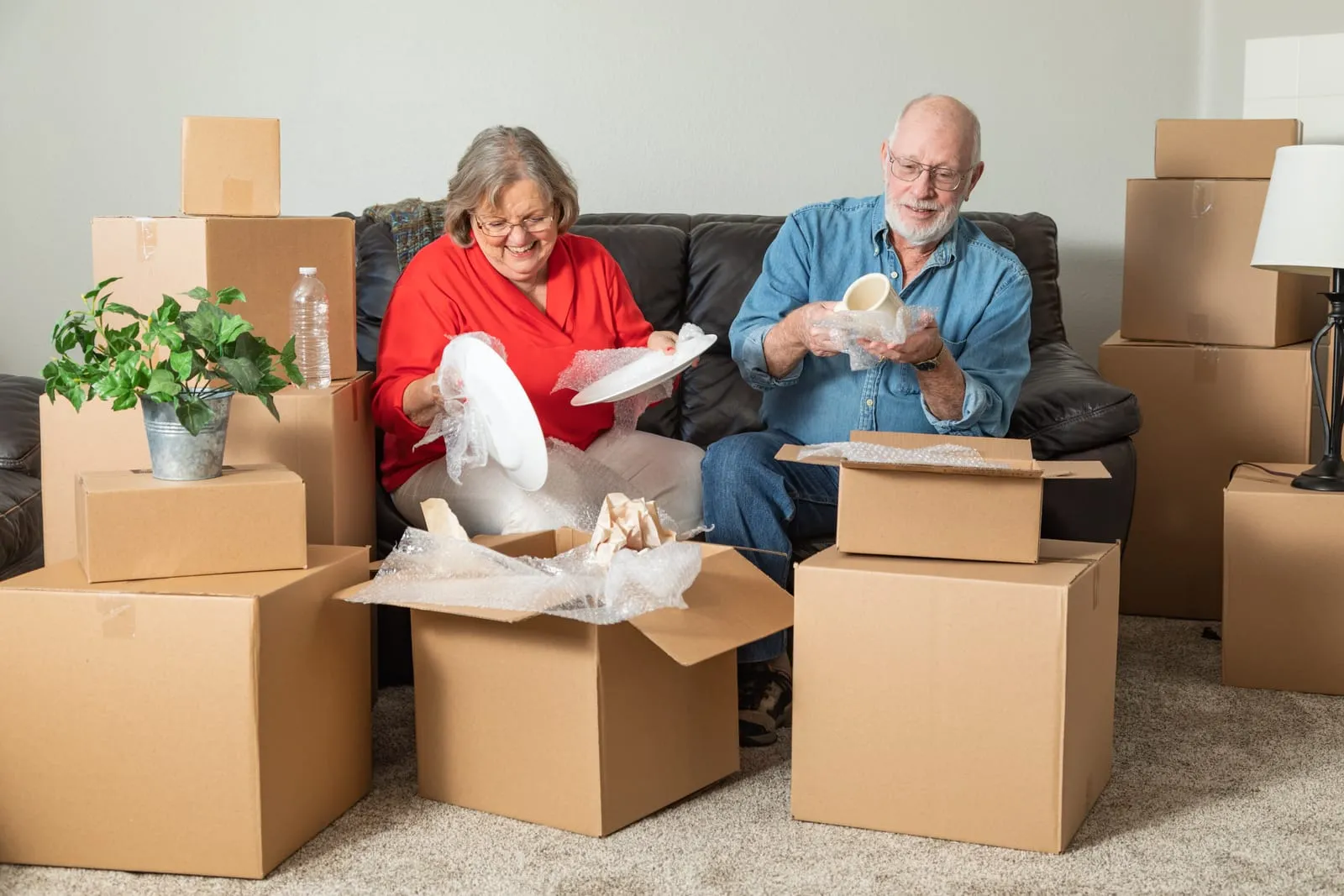
Not everyone has the time or physical capacity to unpack efficiently. Moving and unpacking services offer support for households that need faster setup or prefer not to manage heavy lifting and organization alone.
Professional unpacking teams handle box opening, item placement, debris removal, and furniture assembly. This service benefits large households, busy professionals, families with young children, and individuals recovering from relocation fatigue.
Post-move organization and preparation practices influence how quickly households settle after relocation, with professional unpacking helping streamline the transition process. These moving efficiency principles are reflected in Forbes' moving preparation insights, where structured unpacking is associated with reduced settlement time and lower relocation stress.
Final Thoughts on Unpacking After Moving
Unpacking is the final but often most underestimated stage of relocation. Understanding how long does it take to unpack after moving helps create realistic expectations and prevents frustration when boxes remain after the first week.
Applying structured strategies on how to unpack after moving restores daily routines faster and keeps new homes organized from the beginning. For households with limited time or large inventories, moving and unpacking services provide practical support that accelerates settlement.
When unpacking is approached with planning and consistency, a new home transforms from stacks of boxes into a comfortable living space without unnecessary delay.
.webp)