Packing Tips for Moving: How to Stay Organized During Your Move
Packing for a move can be overwhelming, but staying organized is the key to a smooth transition. Discover expert packing tips that will save you time, reduce stress, and ensure your belongings are safely transported to your new home.
Introduction to Packing Tips for Moving
Moving to a new place is a big deal. There is the excitement of a fresh start, new neighbors, maybe a bigger kitchen — but somewhere between signing the lease and loading the truck, reality sets in. Boxes need to be found. Stuff needs to be wrapped. Decisions need to be made about whether you really need that blender you have used twice in three years.
The process can get chaotic fast, and without a solid plan, things tend to go sideways. That is why having the right packing tips for moving in place before you start makes all the difference between a move that feels manageable and one that feels like a disaster.
The Importance of Staying Organized While Packing
Disorganized packing is one of the top reasons moves go over budget and over schedule. When boxes are not labeled, when items from different rooms get mixed together, or when you pack things you need right up until moving day, the whole process becomes messy and stressful.
Staying organized helps you keep track of what you own, reduces the chance of damage, and makes unpacking in your new home a whole lot easier. It also gives you a clearer sense of what you can donate or toss before the move, which means fewer boxes to deal with overall.
Benefits of Planning Ahead for Packing
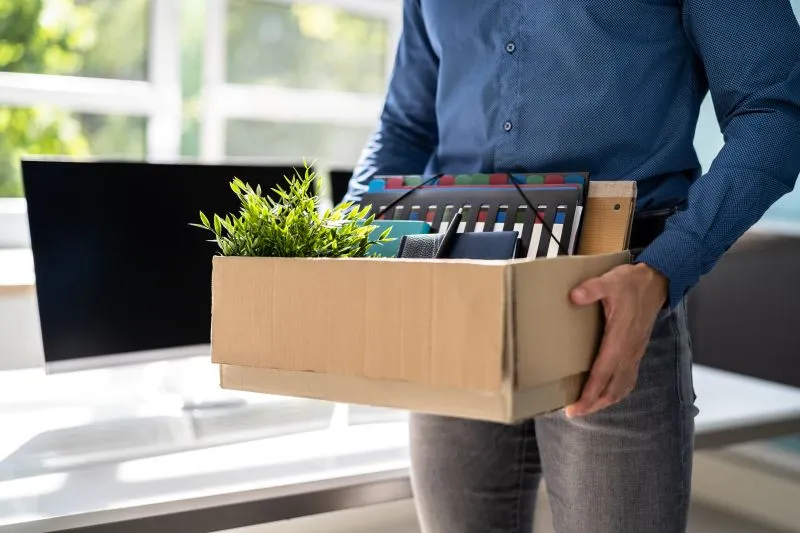
Planning ahead sounds simple, but most people underestimate how much time packing actually takes. Starting early gives you breathing room. You can work through one area of the house at a time without feeling rushed, and you avoid the dreaded last-minute scramble where everything gets thrown into a box with no logic whatsoever. A good plan also means you can gather the right supplies, like boxes in various sizes, quality packing tape, bubble wrap, and markers, before you actually need them.
Key Packing Tips for Moving
Getting the basics right makes everything else easier. These tips for moving and packing cover the fundamentals that experienced movers swear by.
Start Packing Early and Prioritize Items
The golden rule of moving is this: start earlier than you think you need to. Most people aim to begin packing a week before the move and end up regretting it. A better approach is to start four to six weeks out, beginning with things you rarely use. Seasonal decorations, books, extra bedding, hobby supplies — these can be packed up well in advance without disrupting your daily routine. As the move date gets closer, you work through the less-used items until you are left with only the day-to-day essentials.
Prioritizing also means being intentional about what actually makes the move. Every box you pack is a box you have to carry, load, transport, and unpack. Use this opportunity to sort through your belongings and let go of things that no longer serve you.
Label Your Boxes Effectively
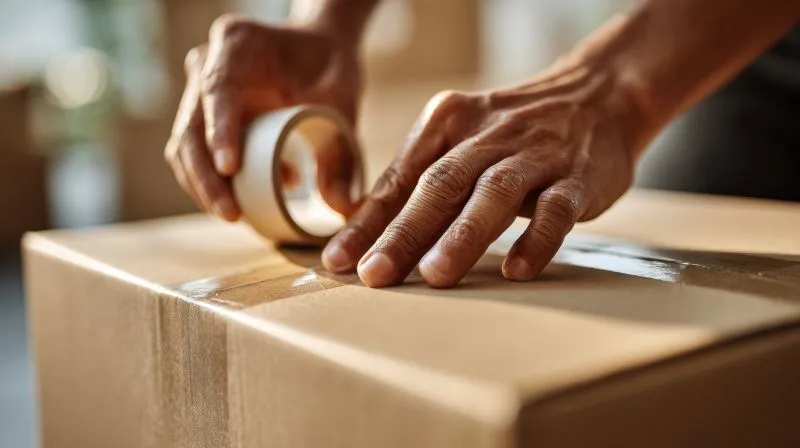
Labeling seems obvious, but there is a right way and a wrong way to do it. Writing just "kitchen" on a box does not tell you much when you are staring at a stack of 40 boxes in a new hallway. Instead, be specific. Write the room, a brief description of the contents, and whether anything inside is fragile. Use a thick marker so the writing is easy to read, and label on at least two sides of the box so you can read it even when boxes are stacked.
Color-coded labels can also be a game changer. Assign each room a specific color of tape or sticker, and mark the boxes accordingly. This makes it easy for movers or helpers to know exactly where each box goes without having to stop and ask.
Pack Room by Room to Stay Organized
One of the most effective tips for packing when moving is to focus on one room at a time before moving on to the next. This keeps you focused, makes labeling easier, and prevents the chaos of half-packed rooms all over the house. It also makes unpacking significantly more straightforward, since everything from one room arrives together and can be placed where it belongs right away.
Start with rooms you use the least, like a guest bedroom or storage area, and finish with the spaces you rely on daily, such as the kitchen and bathroom. Keep an "essentials box" for each person in the household that contains what they will need on the first night in the new home — phone charger, toiletries, a change of clothes, and anything else that would be a hassle to hunt for among the boxes.
Tips for Packing Fragile and Valuable Items
Fragile and valuable items need more thought and care than your average kitchen towels. The right approach here protects both your belongings and your peace of mind.
How to Protect Fragile Items During Your Move
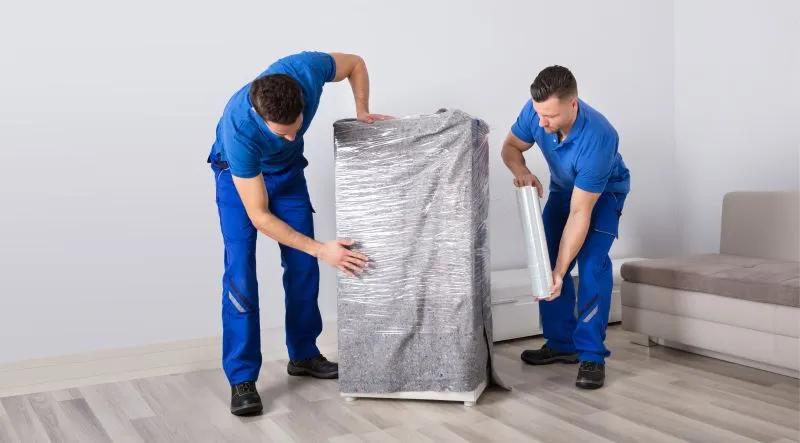
Fragile items like glassware, dishes, and ceramics need proper cushioning. Wrap each piece individually in bubble wrap or packing paper, and never leave empty space in the box — fill gaps with crumpled paper, foam peanuts, or even clean towels. Place heavier items at the bottom and lighter, more delicate pieces on top. Always mark the box clearly as "FRAGILE" and note which side should face up.
Here is a quick checklist for packing breakables:
- Wrap every individual item, not just the group as a whole
- Use double-walled boxes for extra strength
- Fill all empty spaces to prevent shifting during transport
- Mark the box "FRAGILE" on multiple sides
- Do not overload the box — keep it light enough to carry comfortably
Packing Jewelry and Small Valuables
Jewelry and small valuables should never go in the moving truck. Keep them with you at all times during the move. Use a small jewelry case or even an ice cube tray to keep pieces separated and tangle-free. For items with significant sentimental or monetary value, consider photographing them before packing so you have a record in case anything goes missing.
Tips for Packing Electronics and Appliances
Whenever possible, use the original packaging for electronics. If you no longer have the boxes, use sturdy double-walled boxes with ample padding. Take photos of how things are connected before unplugging anything — this saves a lot of guesswork when setting everything up again. Bundle cords and label them with tape so you know which cord belongs to which device. Remove batteries from remotes and small devices to prevent corrosion during the move.
Packing Tips for Special Categories
Some items need more than a box and some tape. Here is how to handle the categories that often trip people up.
Packing Clothes Efficiently for Your Move
Clothes are bulky but surprisingly easy to pack smart. For hanging garments, use wardrobe boxes so they stay on hangers and arrive wrinkle-free. For folded clothes, suitcases and duffel bags are perfect — they save space and make the most of the containers you already own. Vacuum storage bags are excellent for bulky items like winter coats and comforters, cutting their volume dramatically. If you roll clothes instead of folding them, you can fit more into each box and reduce creasing at the same time.
Packing Kitchen Items and Cookware
Kitchens are notoriously time-consuming to pack because of the sheer variety of items. The best approach is to group similar things together and keep everyday items accessible until the final day. Non-stick cookware should have a layer of paper or cloth between pans to prevent scratches. Plates should be wrapped individually and stored vertically in the box, not stacked flat — this reduces the risk of breakage during transport.
Useful tips for packing when moving your kitchen:
- Use dish packs or cell dividers for glasses and stemware
- Wrap knives in thick cloth and tape securely to avoid injuries
- Pack small appliances with their cords tucked inside or taped to the unit
- Drain and dry coffee makers and kettles before boxing them
- Use towels and dish cloths as padding for pots and pans
Packing for Children and Pets
Moving with kids and pets adds another layer of complexity. For children, try to involve them in the process in an age-appropriate way. Let them pack a small bag of their favorite things to keep with them on moving day so they feel some sense of control. Keep comfort items like a favorite stuffed animal or blanket accessible, not buried in a box.
For pets, the moving day itself is often the hardest part. Consider arranging for them to stay with a friend or family member on the actual moving day to reduce their stress. Pack their essentials separately — food, bowls, bedding, toys, medication — in a clearly labeled bag that travels with you rather than on the truck.
Things to keep handy on moving day for families:
- A backpack for each child with snacks, activities, and comfort items
- Pet carrier and travel essentials within easy reach
- A separate bag with first-night supplies for every member of the household
- Medications, important documents, and valuables should be kept with you, not on the truck
- Snacks and drinks for the whole family to get through the day
Conclusion: Staying Organized for a Stress-Free Move
Moving does not have to be the stressful, exhausting experience that many people dread. With the right packing tips for moving, a bit of advance planning, and a room-by-room approach, the whole process becomes far more manageable. Label clearly, protect your fragile items, pack early, and keep your most important things within reach on moving day. These are not complicated strategies — they are practical habits that make a real difference when the pressure is on.
The most important thing to remember is that organization is not something that happens automatically. It takes a bit of intention upfront, but the payoff is enormous. When you arrive at your new home, and everything is labeled, sorted, and ready to unpack, you will be glad you took the time to do things right. These tips for moving and packing exist for a reason — use them, adapt them to your situation, and give yourself a move worth feeling good about
.webp)