What to Pack First When Moving: Smart Packing Order for Any Home

Rassul Yeshpayev
December 30, 2025
Rassul Yeshpayev
December 30, 2025
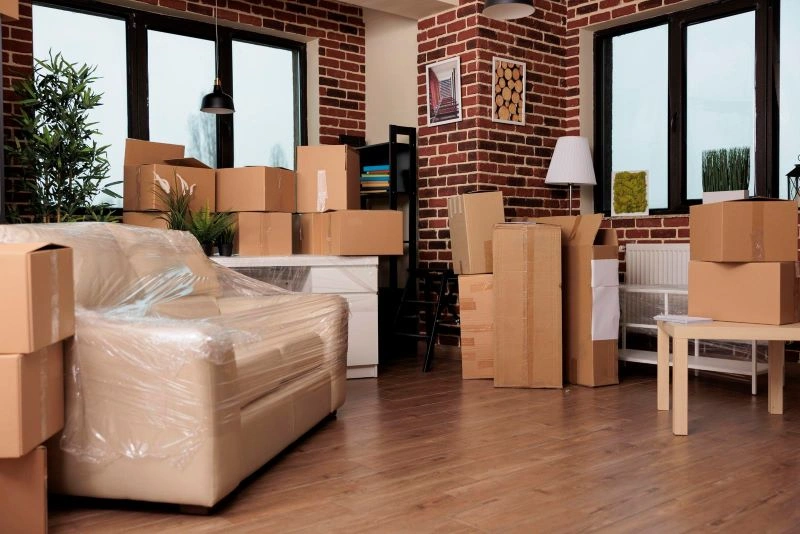
Packing is often where a move starts to feel overwhelming. Boxes pile up, essentials disappear too early, and suddenly, everyday life becomes harder than it needs to be. Knowing what to pack first when moving is less about speed and more about intention. A thoughtful packing order keeps your home functional until the last days, protects fragile items, and makes unpacking far less chaotic. When packing follows logic instead of impulse, the entire move feels more controlled.
How Packing Order Influences the Entire Move
The Connection Between Packing and Efficiency
Packing is not a neutral task in the moving process—it actively shapes how the entire relocation unfolds. When people understand what to pack first when moving, they create a rhythm that carries through loading, transport, and unpacking. A deliberate sequence prevents the home from turning into a maze of half-packed boxes and keeps daily life functional for as long as possible.
Starting with rarely used items clears physical and mental space early. Closets become easier to manage, rooms feel less crowded, and packing stops feeling like a constant interruption. This pacing also allows for more careful handling of bulky or fragile belongings. Instead of rushing through delicate items the night before the move, you can pack them slowly, with proper materials and attention.
A structured packing order also encourages better decisions. As boxes accumulate gradually, patterns emerge. You start to notice which items you genuinely use and which ones have simply followed you from home to home. This awareness makes it easier to donate, sell, or discard things before they become someone else’s problem to unpack.
From an efficiency standpoint, intentional packing supports:
- Smoother daily living during the move, because essentials stay accessible
- Faster loading and unloading, since boxes are grouped logically
- Simpler unpacking, as items arrive in the order they are actually needed
This is why planning what to pack first when moving is less about speed and more about flow.
Problems Caused by Random Packing
Random packing often feels productive in the moment, but it creates friction later. Without a clear order, people tend to pack whatever is in front of them, mixing essentials with non-essentials and losing track of priority items. The result is a sense of constant urgency without visible progress.
Common problems caused by unstructured packing include:
- Essential items packed too early, forcing last-minute digging or repurchasing
- Unlabeled or poorly labeled boxes, which slow down both moving day and unpacking
- Fragile items packed under pressure, increasing the risk of damage
- Important documents scattered, creating stress during an already busy time
Beyond logistics, random packing takes an emotional toll. When every box feels equally urgent, it becomes hard to measure progress. The home looks messier instead of more organized, which can be discouraging. Stress builds not because of the workload itself, but because there is no clear sense of direction.
A defined packing order replaces that chaos with predictability. Each packed box feels intentional, each stage has a purpose, and progress becomes visible. Especially during longer or more complex moves, this structure provides a sense of control that makes the entire process feel manageable rather than overwhelming.
Items That Should Be Packed at the Very Beginning
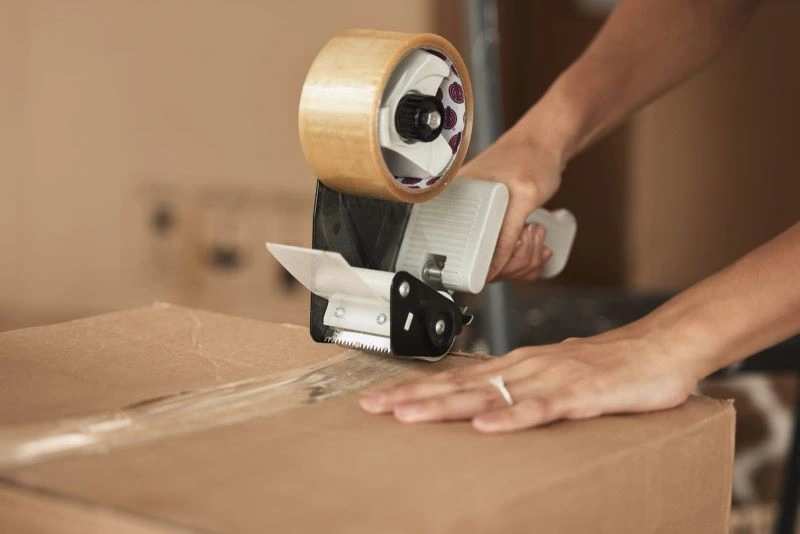
The earliest phase of packing should focus on items that contribute least to daily life. These belongings can be boxed up weeks in advance without affecting comfort or routines.
- Low-use and seasonal belongings
Items that are used only occasionally—holiday decorations, seasonal clothing, sports equipment, and long-term storage items—are ideal starting points. Packing them early creates space and reduces visual clutter, which helps the home feel more organized throughout the move. - Decorative and display-only items
Wall art, decorative shelves, books you are not currently reading, and ornamental pieces can be safely packed well ahead of time. These items are often fragile, so early packing allows for careful wrapping without time pressure. - Furniture that is not part of daily use
Extra chairs, spare tables, or furniture in guest rooms can usually be disassembled and packed early. Removing these items simplifies movement through the home and makes later packing stages easier. - Out-of-season clothing and footwear
Clothing that will not be worn before moving day is an efficient early win. Vacuum-sealed bags or clearly labeled boxes help keep these items compact and easy to identify later. - Archived paperwork and old files
Documents that are kept for records rather than daily reference can be packed early, as long as they are clearly separated from essential paperwork.
Storage, Seasonal, and Decorative Items
These categories are ideal for the first packing phase because they rarely interrupt daily life. Packing them early also gives you time to reassess whether they still need to be moved at all.
Extra Furniture and Non-Essentials
Large but infrequently used items take up physical and mental space. Removing them early improves mobility within the home and makes the remaining packing stages feel more manageable.

Items Best Packed Closer to Moving Day
As moving day approaches, packing should shift toward items that support everyday living. These belongings require careful timing to avoid inconvenience.
Everyday Household Items
Kitchenware, cleaning supplies, and commonly used linens should remain accessible until the final days. Packing these items too early forces makeshift solutions that increase stress. Instead, group them into clearly labeled boxes during the last packing phase, keeping only the bare essentials out.
A well-structured packing checklist for moving helps ensure that everyday items are packed last without being forgotten or scattered across multiple boxes.
Personal and Work-Related Belongings
Documents, electronics, medications, and work materials should be packed late and kept together. These items are not only essential but often irreplaceable. Many people choose to transport them personally rather than placing them on the moving truck.
Packing personal belongings last also supports continuity. Maintaining access to familiar items until the end helps reduce the emotional strain of transition.
Tools and Techniques for Better Packing Control
Good packing is not just about what goes into boxes, but how those boxes are organized and tracked.
Box Organization Systems
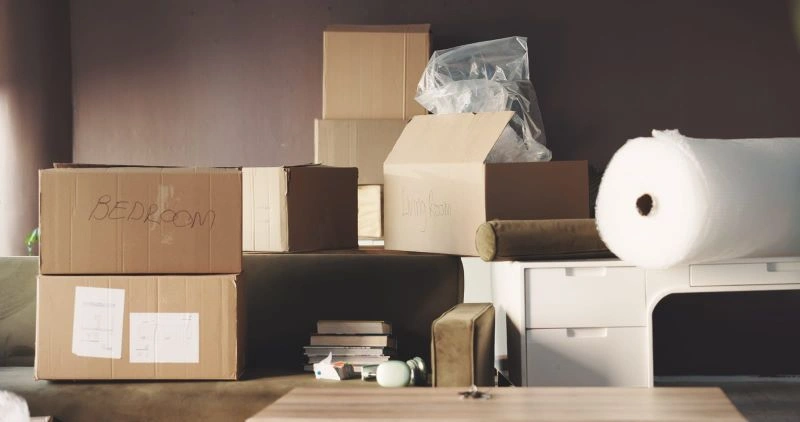
Clear labeling is essential. Boxes should be marked by room and general contents, not vague descriptions. Color-coding or numbering systems can further simplify unloading and unpacking. These methods are commonly emphasized in professional moving tips because they reduce confusion at every stage of the move.
Keeping Track of Important Items
Create a dedicated box or container for items you will need immediately after arrival. This may include toiletries, chargers, basic tools, and important documents. Keeping this box separate ensures it does not get lost among general belongings.
For larger moves or tight timelines, some households rely on established practices used in professional packing services to maintain control and consistency throughout the process.
Final Packing Strategy Recap
Knowing what to pack first when moving creates structure in a process that often feels chaotic. Early packing should focus on low-use, seasonal, and decorative items, while essentials remain accessible until the final days. A clear order reduces stress, protects belongings, and simplifies unpacking.
Thoughtful packing is ultimately about pacing. When packing follows a logical sequence, the move becomes less disruptive and more predictable. With planning, patience, and a clear system, packing transforms from a source of stress into a tool for a smoother transition.
.webp)