Moving Into a High-Rise Apartment: 10 Tips for Elevators, Parking, and Access
August 27, 2026
August 27, 2026
More apartments are going vertical every year. The National Multifamily Housing Council found that over 940,000 multifamily units were under construction across the U.S. as of early 2025, the highest level in decades. That growth means more households than ever are facing a version of the same challenge: moving into a high-rise apartment is simply a different job than moving into a house or a low-rise building.
A typical move rarely has to account for elevator availability, strict building rules, narrow hallways and doorways, loading zone restrictions, or coordination with a property management office, but a high-rise move usually involves all five at once.
Preparing these access details in advance is what prevents delays, building damage, and the kind of last-minute complications that turn a routine move into a stressful one. The 10 tips below cover what actually matters when moving into a high-rise apartment.
10 Tips for Moving Into a High-Rise Apartment

1. Reserve the Elevator Before Moving Day
Most high-rise buildings require residents to schedule elevator access well before move-in, and skipping this step can stop a move before it starts. When booking, confirm:
- Whether the building uses a freight or service elevator for moves
- The reservation time limit and any overtime fees
- Elevator availability directly with building management or the concierge
- The cancellation or rescheduling policy in case plans change
A missed or unconfirmed elevator reservation can delay an entire moving schedule, since movers are often not permitted to bring anything into the building without it.
2. Understand Building Moving Rules and Requirements
Every high-rise has its own move-in procedures, and assuming one building's rules apply everywhere is a common mistake. Common requirements include restricted moving hours, a certificate of insurance from the moving company, elevator deposits or fees, security check-in procedures, and specific loading dock rules.
Tip: Ask the building management office for a written move-in packet rather than relying on a verbal summary, since fees and deposit amounts are easy to misremember.
Reviewing these guidelines two to three weeks ahead prevents the kind of last-minute problems that show up only after a truck is already parked outside.
3. Measure Furniture Before Bringing It Into the Building
Furniture that fit through the door of a previous home does not automatically fit through a high-rise's access points. Before moving day, measure the apartment entrance door, elevator interior dimensions, hallway width, and any stairways or emergency exits that might be used as a backup. Tight corners near the elevator lobby deserve a second look too.
Sectional sofas, large mattresses, oversized tables, and entertainment centers are the pieces that most often create problems in this step, since their dimensions rarely leave much margin for error.

4. Plan Parking and Loading Zone Access
Parking is one of the biggest challenges in a high-rise move, often more than the elevator itself. A few things worth confirming ahead of time:
- Whether the building has a reservable loading area or dock
- Street parking restrictions near the entrance during the move window
- A realistic truck arrival time based on building traffic patterns
- Garage access rules if the building has covered parking
Limited parking often means a longer carrying distance from the truck to the elevator, which adds real time to the overall move.
5. Prepare a Detailed Moving Day Schedule
Timing matters more in a high-rise move because elevator access is limited to a fixed window. A solid schedule lines up mover arrival time, the elevator reservation window, a loading sequence, and a furniture placement order before the crew shows up.
Large or awkward items should generally be moved first and placed strategically, since maneuvering big furniture around boxes already stacked in a tight apartment slows everything down.
6. Protect Hallways, Elevators, and Shared Spaces
High-rise moves happen in common areas that every other resident depends on, which raises the stakes on protecting them. Padding elevator walls, using floor runners to avoid scratches, keeping hallways clear between trips, and following any building-specific protection requirements all reduce the odds of a damage dispute after the move.
Note: Professional movers typically bring elevator padding and floor protection as standard equipment, which meaningfully lowers the risk of damage compared to a self-managed move.
7. Pack Boxes for Easier Elevator Transport
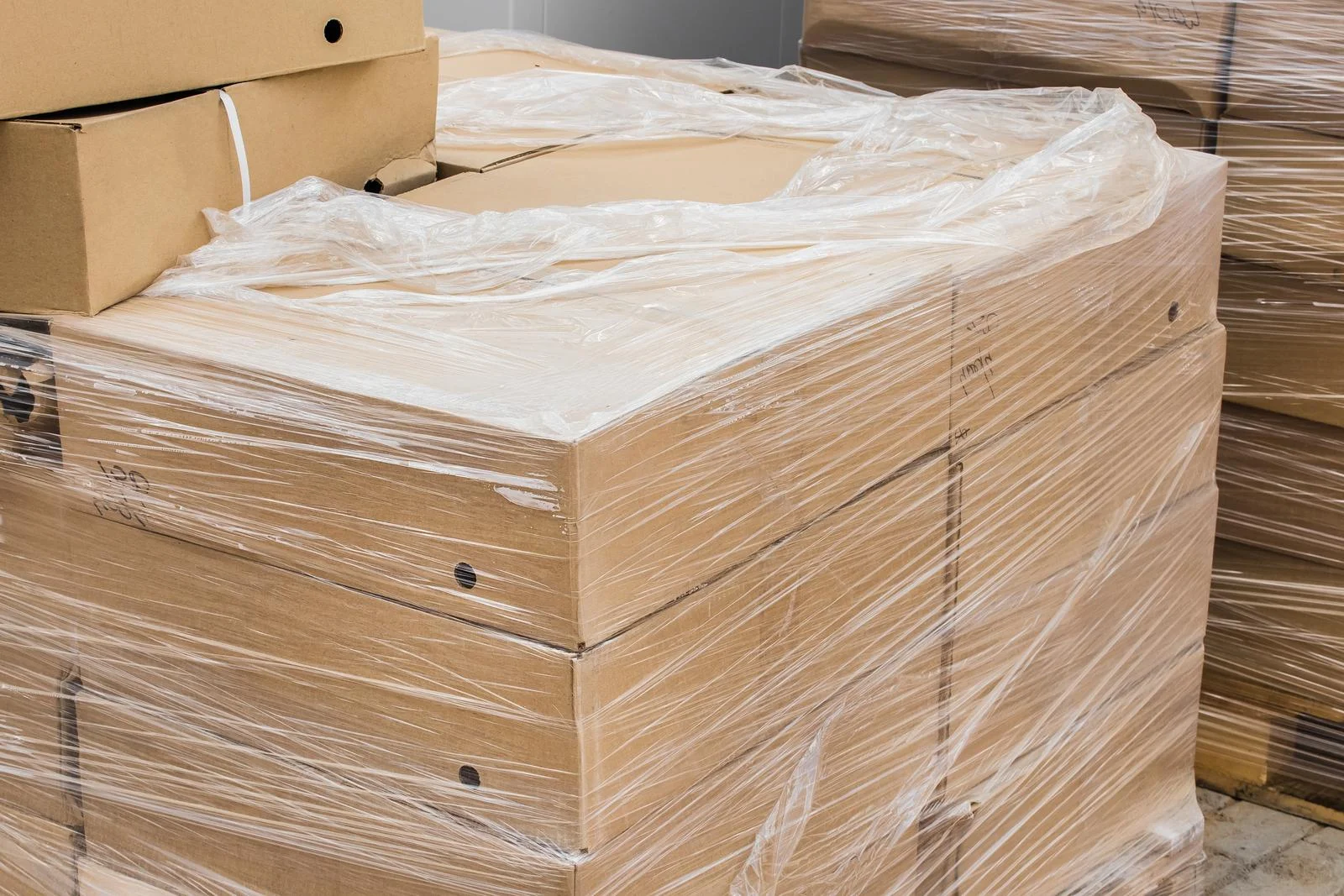
Box organization has a bigger impact on efficiency in a high-rise move than in a typical house move, since every box has to fit into a shared elevator alongside everything else. Keep boxes a manageable size, label each one by room, mark fragile items clearly, and avoid overly heavy cartons that slow down loading.
Organized packing lets movers place items quickly once they reach the apartment, instead of pausing to figure out where a mislabeled or overloaded box actually belongs.
8. Prepare for Limited Access and Tight Spaces
High-rise layouts can create real challenges once furniture actually needs to go somewhere specific. Where building rules allow it, removing interior doors temporarily can free up a few extra inches for large pieces.
Planning furniture positioning before the crew arrives, checking balcony and window access limitations, and having a backup placement option in mind all help avoid a stalled move mid-day.
Tip: For anything that will not fit through a standard doorway even after every trick has been tried, ask about specialty moving services before assuming the piece has to be left behind.
9. Coordinate With Building Management and Neighbors
Communication matters more in a shared residential building than almost anywhere else in the moving process. Notify management of the exact move-in date, inform neighbors when building rules require it, follow quiet-hour restrictions, and coordinate with security staff on entry procedures. Good communication here is largely what prevents small friction points from becoming real conflicts on a busy moving day.
10. Prepare an Essentials Plan for the First Night
Unpacking everything immediately is rarely realistic after a high-rise move, especially with limited elevator trips to spread the load across. A personal essentials bag packed with toiletries, chargers, medications, bedding, basic kitchen supplies, and important documents makes the first night far more comfortable.
Keeping these essentials separate from the general moving boxes means nobody has to dig through a stack of cartons at midnight looking for a phone charger.
Special Considerations for Moving Large or Heavy Items Into a High-Rise
When Standard Elevator Access Is Not Enough
Some items simply will not work through a standard freight elevator reservation. Oversized furniture, pianos, safes, and antiques often need additional planning beyond what applies to a typical move. Specialty moving equipment, extra labor, or an alternative access plan, such as a crane or hoist for upper floors, can solve problems that a standard elevator cannot.
When to Consider Professional Moving Help
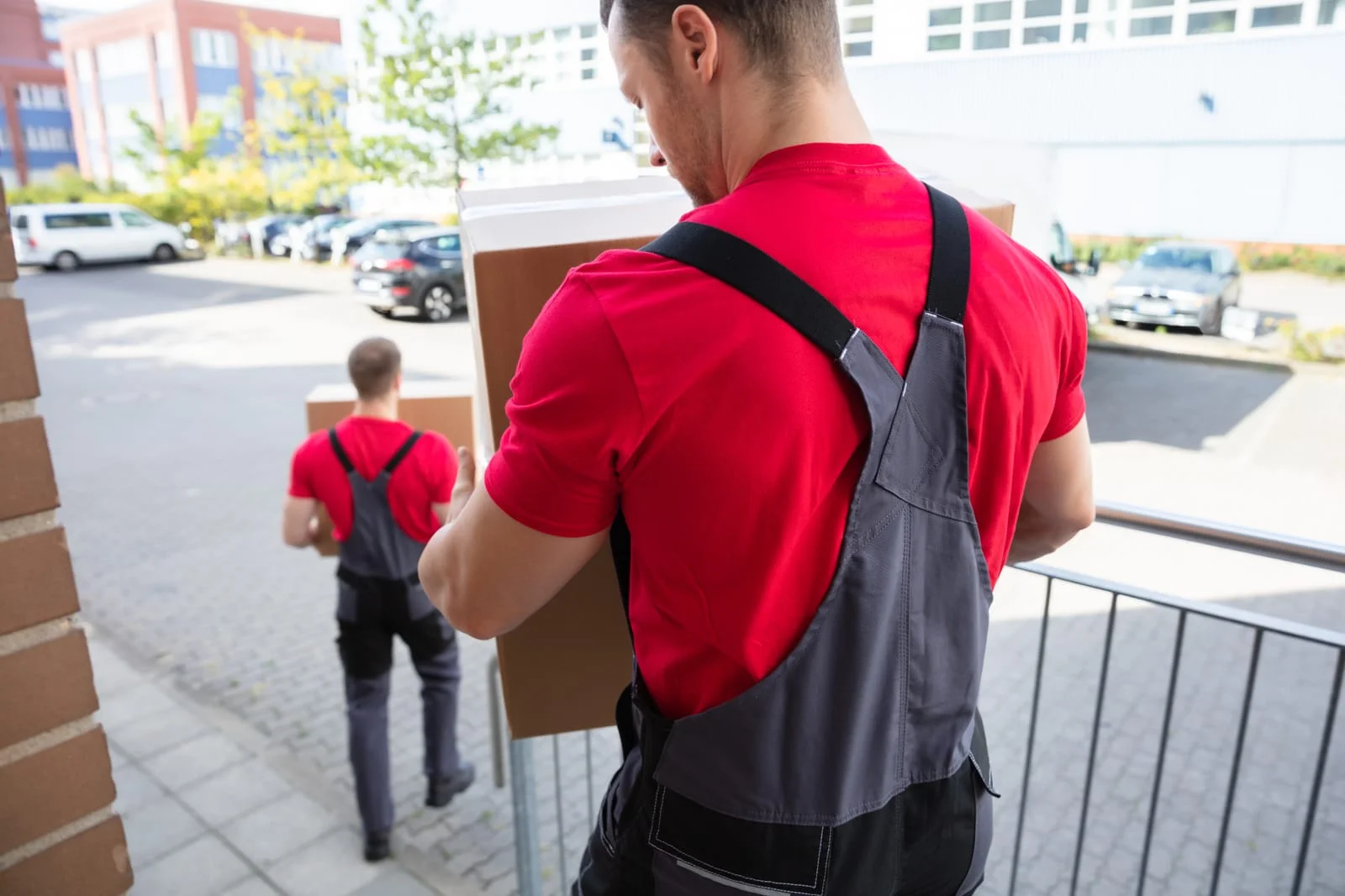
Experienced movers bring real value to a high-rise relocation, particularly for navigating building restrictions, protecting common areas, handling heavy furniture safely, and coordinating access situations that involve multiple moving parts. A team with experience in built-for-apartment moves is worth the extra research, since not every mover is equally comfortable with elevator logistics.
Full-service movers can also assist with packing, furniture disassembly, and other relocation tasks that add up quickly once a building's specific requirements are factored in.
Common Mistakes That Delay High-Rise Moves
A handful of avoidable mistakes account for most of the delays in high-rise relocations:
- Booking the elevator too late, which can push a move-in date back by days in a busy building
- Skipping furniture measurements, leading to a piece that gets stuck partway through a doorway
- Forgetting the certificate of insurance, which some buildings require before movers are even allowed inside
Catching these details early is far easier than solving them with a truck already parked outside.
Turning Preparation Into a Smooth Move-In
Moving into a high-rise apartment comes down to preparation, coordination, and understanding a building's specific logistics before moving day arrives. Elevator reservations, accurate measurements, parking plans, and clear communication with building staff all work together to prevent the delays and damage that tend to catch first-time high-rise movers off guard. Following these tips for moving into a high-rise apartment turns a genuinely complex process into a manageable one.
Working with movers who understand apartment relocations and who can manage complex access requirements without guesswork removes much of the risk from a high-rise move.
Ready to Book a High-Rise Moving Crew?
Get a free quote from BoxStar Movers and let an experienced crew handle the elevator logistics.