How to Prepare Furniture for Long-Distance Moving Without Damage
March 6, 2026
March 6, 2026
Preparing furniture for a long-distance move is crucial to ensure it arrives at your new home safely and without damage. Follow our step-by-step guide to properly pack and secure your furniture for the best moving experience possible!
Introduction to Long-Distance Furniture Moving
Moving to a new city or state is a big deal. There's the excitement of a fresh start, but there's also the very real stress of getting everything there in one piece — especially your furniture. A scratched dining table, a broken chair leg, or a sofa that smells like mildew from poor wrapping can put a serious damper on things before you even unpack.
Understanding how to prepare furniture for long-distance moving is the difference between arriving with everything intact and spending your first week making insurance claims or shopping for replacements.
Why Preparing Furniture for Long-Distance Moving is Crucial
Short local moves are forgiving. The truck barely gets up to highway speed before it's parked again. But long-distance moving furniture is a completely different challenge.
Your belongings spend hours — sometimes days — in a moving vehicle, exposed to road vibrations, temperature shifts, and the constant risk of items shifting against each other. Without proper preparation, even sturdy pieces can arrive with gouges, warped wood, torn upholstery, or broken glass. Taking time before the move saves both money and frustration later.

Benefits of Preparing Furniture Correctly for the Move
When furniture is properly prepped, the whole move runs smoother. Items that are disassembled load more efficiently into the truck, reducing the total space needed and cutting down on costs.
Well-wrapped pieces don't scratch or dent each other. Furniture that arrives clean is ready to use right away. And when everything is properly labeled and organized, unpacking becomes far less of a headache. In short, a little preparation up front makes a big difference at the other end.
Step-by-Step Guide to Preparing Furniture for Long-Distance Moving
Getting your furniture ready doesn't have to be overwhelming. Breaking it down into clear steps makes the process manageable — even if you have a house full of pieces to deal with.
Step 1: Disassemble Large Furniture
- Action:
- Remove legs, drawers, and shelves.
- Store all screws and hardware in labeled zip-lock bags taped to the matching piece.
Step 2: Clean Your Furniture Before the Move
- Action:
- Wipe down all surfaces, let them dry fully, and condition wood pieces.
- What to Do:
- Trapped moisture under wrapping causes mold and warping.
Step 3: Protect Furniture with Proper Packing Materials
- Action:
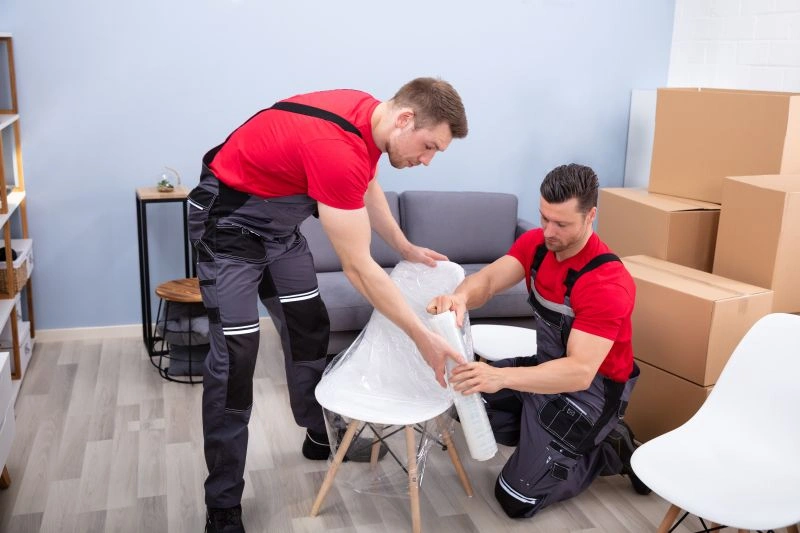
- Use moving blankets, bubble wrap, stretch wrap, and corner protectors suited to each surface type.
- What to Do:
- Don't substitute proper materials with makeshift alternatives.
Step 4: Secure the Furniture for Transportation
- Action:
- Anchor pieces to the truck walls with straps and tie-downs.
- Load heavy items on the bottom, fill gaps with soft items, and place pads between touching pieces.
Special Tips for Moving Different Types of Furniture
Not all furniture is created equal. Each material type comes with its own vulnerabilities during a long-distance move, so it's worth knowing the specific precautions for each.
Packing Wooden Furniture for Long-Distance Moves
Wood is sensitive to humidity and temperature changes, both of which are common during long-distance moving furniture across different climate zones. Wrap wooden furniture in moving blankets rather than plastic wrap alone — plastic can trap moisture and cause warping or cracking.
Apply a coat of furniture polish or wax before wrapping to give the surface an added layer of protection. Avoid leaving wooden pieces in direct sunlight inside the truck if you're doing a partial DIY move.
Packing Upholstered Furniture and Sofas
Sofas and upholstered chairs are tricky because the fabric is easy to stain, snag, or compress permanently if wrapped too tightly for too long. Use sofa covers or plastic furniture bags designed specifically for upholstered pieces.
These allow the material to breathe while protecting against dirt, moisture, and scuffs. If the sofa has removable cushions, pack them separately in clean garbage bags or wardrobe boxes. Try not to stack heavy items on top of upholstered furniture — the weight can distort the shape over a long journey.
Moving Antique and Delicate Furniture
Antique and heirloom pieces require the most attention and care. These items often have irreplaceable value — sentimental, historical, or financial — and a single move can cause damage that can't be undone. Wrap antiques in acid-free tissue paper first, then add layers of bubble wrap and moving blankets. Consider using custom-built wooden crates for exceptionally valuable or fragile items. When in doubt, consult a professional art and antiques mover who specializes in high-value items.
Packing Metal and Glass Furniture
Glass tabletops and shelves should be removed from their bases and wrapped individually. Use several layers of bubble wrap, secure with packing tape, and then mark the package clearly as "FRAGILE – GLASS." Store glass pieces vertically rather than flat — a horizontal glass panel is far more likely to crack under pressure. For metal furniture, the main concern is scratching and bending. Wrap metal pieces in moving blankets and avoid stacking anything heavy on top of thin metal frames.
How to Avoid Common Mistakes When Moving Furniture Long Distance
Even well-intentioned movers make mistakes that end up costing them. Here are the most common ones to watch out for when moving furniture long-distance.
Overloading Boxes and Not Using the Right Packing Materials
One of the most frequent problems is trying to cut costs by using inadequate packing materials or overloading boxes that end up placed on or around furniture. Heavy, overloaded boxes that shift during transit can press into furniture surfaces, causing dents or cracks. Use boxes of appropriate size and weight limits, and always choose quality packing supplies. A newspaper is not a substitute for proper bubble wrap on delicate items. Old bedsheets are not a replacement for moving blankets on heavy wooden pieces.
Not Securing Furniture Properly in the Moving Vehicle
This mistake shows up more often in DIY moves where people assume that packing items tightly together is enough. It's not. Without proper straps and tie-downs, furniture can shift, topple, or slide into other pieces every time the truck brakes or turns. Items that are wrapped but not secured can still arrive damaged. Always use moving straps rated for the weight of your furniture, and anchor pieces to the truck's interior rails or walls.
Forgetting to Measure Doorways and Furniture
This is an easy one to overlook when you're focused on packing and protecting items — but it can cause real headaches on moving day. Measure every piece of furniture you plan to move, and measure every doorway, hallway, and staircase it needs to pass through at both your current and new home. If a piece won't fit, you need to know before the truck is parked outside and the clock is running. It's also worth checking elevator dimensions if you're moving into an apartment building.
Professional vs. DIY Furniture Moving: Which Is Right for You?
Both options have real merit, and the right choice depends on your budget, your furniture, and how comfortable you are with the physical and logistical demands of a long-distance move.
When to Hire Professionals for Long-Distance Furniture Moving
There are situations where hiring professionals is simply the smarter call. Consider bringing in the pros if you have any of the following:
- Antique, heirloom, or high-value furniture that would be costly or impossible to replace if damaged
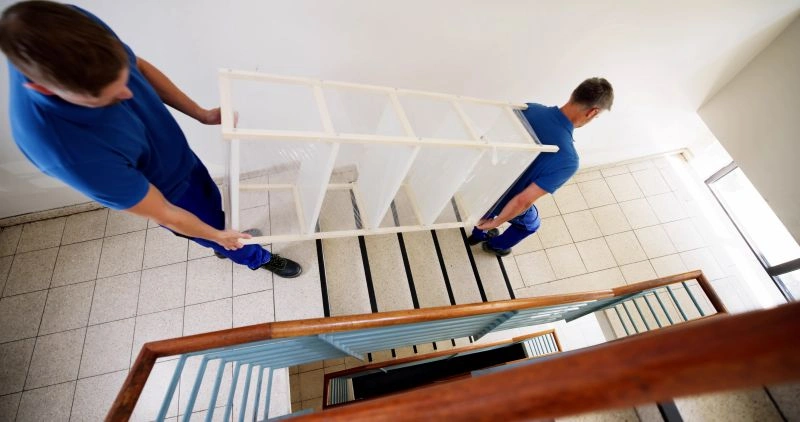
- Very large or unusually heavy pieces — think grand pianos, sectional sofas, or solid oak wardrobes — that require specialized equipment and multiple trained movers
- A move that covers a significant distance across multiple states, where the extended time in transit increases the risk of damage without expert packing and loading
- Physical limitations that make it difficult to safely lift, carry, or load heavy furniture
Professional movers bring experience, proper equipment, and — importantly — insurance. If something does go wrong, you have recourse.
How to Move Furniture Yourself Safely
A DIY approach can work well if you're organized, physically capable, and have the right equipment. Rent a moving truck that's the right size — not too small (which means overloading and multiple trips) and not too large (which means items shift in transit).
Rent or purchase the proper tools: a furniture dolly, moving straps, moving blankets, and packing supplies. Enlist reliable help — moving heavy furniture with inexperienced friends can lead to injuries and damaged pieces. Plan your route carefully, and make sure you know the dimensions of both your current and new home before moving day.
Conclusion: Protecting Your Furniture for a Successful Long-Distance Move
A long-distance move doesn't have to mean saying goodbye to your favorite pieces or crossing your fingers and hoping for the best. When you know how to prepare furniture for long-distance moving — disassembling what you can, cleaning thoroughly, using the right materials, and securing everything properly — you give your belongings the best possible chance of arriving in perfect condition.
Different furniture types need different approaches, and avoiding common mistakes like poor securing or skipping measurements makes the whole process far less stressful. Whether you go with a professional moving company or handle it yourself, the fundamentals remain the same: protect each piece like it matters, because it does.
Long-distance moving furniture is a lot of work, but it's work with a clear payoff. Take your time with the preparation, don't rush the packing, and your new home will be filled with the same pieces that made your last one feel like yours.
.webp)