How to Pack Pictures for Moving – Best Ways to Protect Frames and Art
Rassul Yeshpayev
February 12, 2026
Rassul Yeshpayev
February 12, 2026
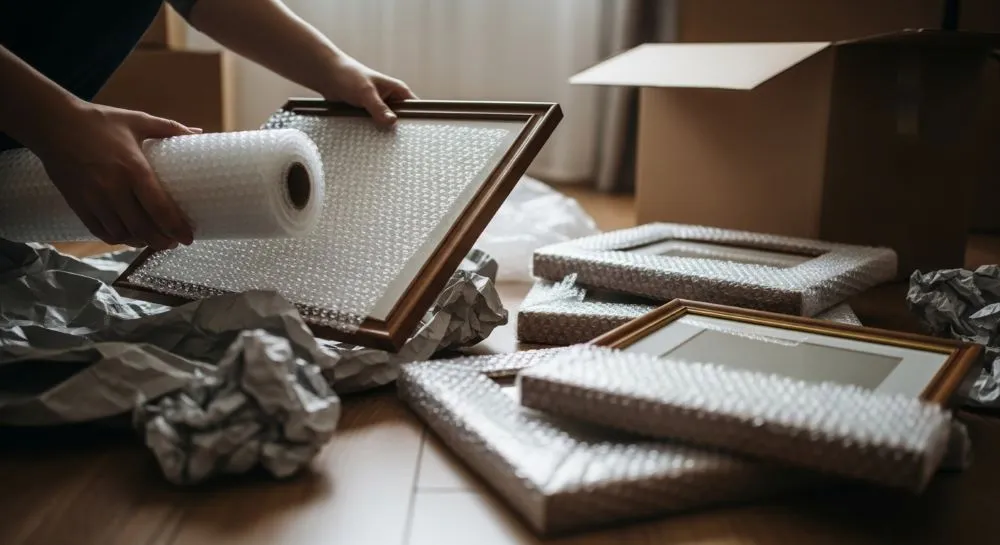
Framed pictures, mirrors, and artwork are among the most fragile household items during relocation. Glass can shatter, frames can warp, and artwork can suffer permanent surface damage if packed without structure. Understanding how to pack pictures for moving correctly ensures that sentimental and valuable pieces arrive safely at their new destination.
Many people assume pictures are simple to move because they are lightweight. In reality, their flat surfaces, brittle glass, and exposed edges make them highly vulnerable to pressure and vibration. Random stacking or thin wrapping often results in cracked corners and scratched finishes. Using the best way to pack pictures for moving requires planning, proper materials, and controlled handling methods.
Whether relocating across town or long-distance, packing pictures for moving should be treated as a dedicated process rather than a last-minute task. Proper preparation prevents loss of irreplaceable artwork and avoids costly frame repairs. Clear labeling plays a critical role in protecting artwork during handling. Every box containing pictures should be marked “Fragile” and “This Side Up” to guide careful transport and placement.
Picture boxes should always be loaded upright inside the moving vehicle. They should be positioned between soft items such as mattresses or cushions, which act as shock absorbers. Securing them properly prevents shifting during transport and minimizes the risk of damage. Learning how to pack pictures for moving with a structured approach protects artwork and simplifies unpacking at the new location.
Why Pictures Require Extra Protection
Pictures and artwork combine fragile materials in one object. Glass is brittle, frames can crack under pressure, and canvas surfaces are sensitive to friction and moisture. Even slight movement inside a box can cause abrasions or breakage.
Additionally, pictures are often irregular in size and shape. This makes it difficult to stack them evenly, increasing the chance of uneven weight distribution. During transport, shifting loads can cause frames to collide, leading to chipped edges and cracked glazing.
Environmental factors also play a role. Humidity changes and temperature fluctuations inside moving trucks can affect wooden frames and paper-based artwork. These risks make specialized packing methods essential when deciding how to pack pictures and paintings for moving safely.
Gathering the Right Packing Supplies
Proper packing supplies form the foundation of safe picture transport. Improvised materials such as thin paper or household towels rarely provide sufficient protection for framed pieces.
Protective Wraps and Padding
Bubble wrap, foam sheets, and soft moving blankets help absorb shock and prevent scratches. Acid-free paper is recommended for artwork and photographs to avoid chemical damage over time. Stretch wrap can hold protective layers in place without leaving residue on frames.
Padding should always cover corners and edges first, as these areas are most likely to suffer impact damage. Multiple layers are preferable to a single thick one, as they distribute pressure more evenly.
Specialty Boxes and Cardboard Sheets
Picture boxes designed for framed artwork provide structured protection. They are typically telescoping, allowing adjustment to frame size. Cardboard sheets or corrugated pads placed between pictures prevent surface contact when multiple pieces are packed together.
Using sturdy boxes rather than standard moving cartons reduces the risk of bending and collapse during stacking.
Step-by-Step Process to Pack Pictures Safely
Following a consistent process reduces mistakes and keeps artwork protected throughout the move.
Wrapping Frames and Securing Glass
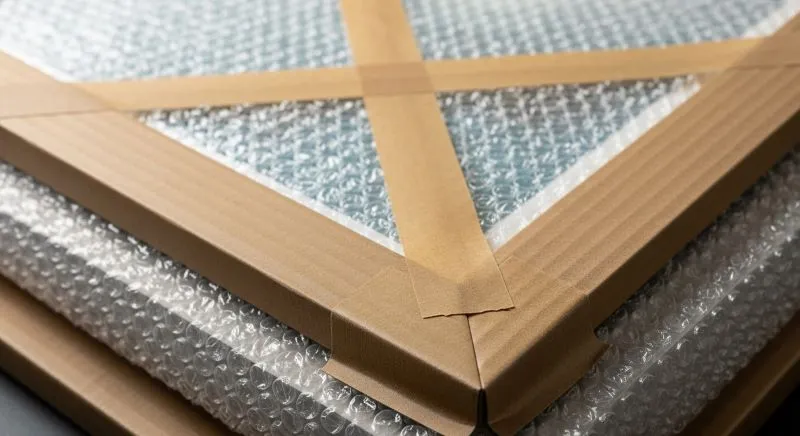
Each picture should be cleaned gently to remove dust before wrapping. Glass surfaces are covered with painter’s tape in an “X” pattern to reduce shattering risk. Bubble wrap or foam is then applied around the entire frame, with extra layers on corners.
Canvas paintings without glass should be wrapped in acid-free paper first, followed by bubble wrap to prevent surface rubbing.
Creating Cushioning Inside Boxes
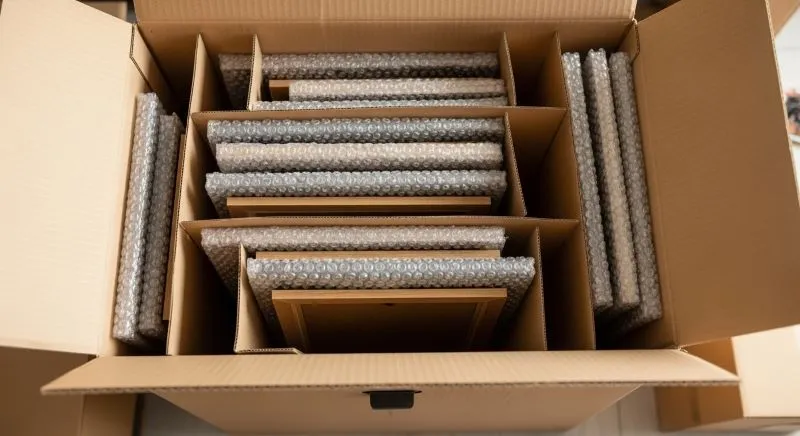
Before placing pictures inside boxes, the bottom should be lined with padding material. Wrapped frames are positioned vertically rather than flat to distribute weight more safely. Additional cushioning is inserted around sides and between pieces to prevent shifting during transit.
Boxes should never be overfilled. Slight space for padding allows shock absorption and prevents pressure points on frame edges.
Packing Multiple Pictures Together Safely
When packing several frames in one box, cardboard sheets are placed between each wrapped piece. Heavier frames go toward the outer walls of the box, while lighter artwork stays toward the center. This balance prevents internal crushing and uneven load stress.
Box flaps are sealed securely to prevent accidental opening during lifting.
How to Label and Load Picture Boxes Correctly
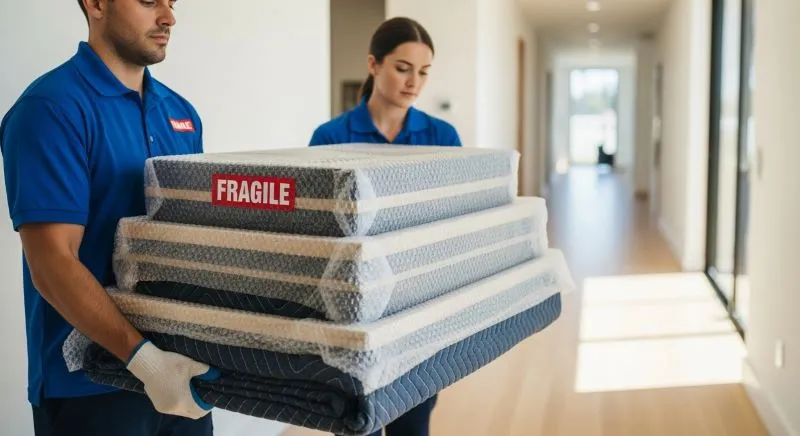
Clear labeling plays a critical role in protecting artwork during handling. Every box containing pictures should be marked “Fragile” and “This Side Up.” Room destination labels help movers place boxes in correct areas immediately after arrival.
Picture boxes should always be loaded upright inside the moving truck. They should be positioned between soft items such as mattresses or cushions, which act as additional shock absorbers. Straps or load bars keep them from shifting during transport.
Organized loading and labeling practices form part of standard relocation preparation methods, helping protect fragile items and reduce damage during transport. These practical moving principles are reflected in Forbes moving preparation guidance, where structured handling contributes to safer and more efficient relocations.
Common Packing Errors That Cause Damage
Even when people understand how to pack pictures for moving, mistakes often happen in the final moments of preparation. Fragile items demand consistency and attention to detail. Skipping small steps or improvising materials can undo all previous careful work. The following errors are the most common reasons frames crack, glass shatters, or artwork arrives scratched.
- Wrapping pictures in newspaper or thin paper, which offers almost no impact protection and can transfer ink onto artwork, matting, or canvas surfaces
- Packing frames flat instead of upright, creating direct pressure on glass and increasing the likelihood of cracks during stacking or transport
- Overpacking boxes without sufficient padding, forcing frames to rub against each other and causing chipped edges or scratched finishes
- Underpacking boxes with too much empty space, allowing pictures to shift, slide, and collide when the truck moves
- Using weak or oversized boxes that bend under weight, leading to frame distortion or corner damage
- Ignoring humidity protection, which can warp wooden frames, loosen adhesives, and discolor paper-based artwork during long-distance moves
- Skipping corner padding, even though corners absorb most impact during handling
- Failing to seal boxes securely, allowing internal movement or accidental opening while carrying
- Rushing the packing process instead of following a slow, methodical routine with consistent materials and checks
Each of these mistakes may seem minor on its own, but combined, they significantly increase the risk of damage. Artwork and framed pictures are especially vulnerable because they combine rigid and delicate materials in one object. Preventing damage is less about using expensive supplies and more about applying steady, repeatable packing habits.
Taking extra time to avoid these common errors ensures that packing pictures for moving results in frames that arrive intact, artwork that remains pristine, and a relocation experience without unnecessary repair or replacement costs.
Final Thoughts on Packing Pictures for Moving
Understanding how to pack pictures for moving properly protects some of the most personal and valuable items in a household. Using the best way to pack pictures for moving involves choosing the right supplies, applying correct wrapping techniques, and controlling box loading.
When packing pictures and paintings for moving with structure and care, the relocation process becomes safer and more predictable. The result is artwork that arrives intact, frames that remain undamaged, and a new home ready to display familiar pieces without repair or replacement.
.webp)