Things to Do Before Moving: How to Set Up Your New Home Early
Moving doesn't have to be stressful if you start preparing your new home early. Learn essential steps and tips for setting up your new place before you even set foot inside — ensuring a smooth and stress-free transition to your new home.
Why Planning Ahead Helps with a Stress-Free Move
There's a real difference between people who plan their move two to three weeks out and those who wing it. The planners unpack faster, spend less on last-minute supplies, and generally feel calmer throughout the whole process.
When you give yourself enough lead time, small tasks don't pile up into one overwhelming weekend. You handle them one at a time, and by moving day, most of the hard work is already done. It also means fewer surprises — no showing up to a dirty apartment, no scrambling for a cleaning crew, no wondering why the internet isn't working.
Planning doesn't need to be complicated. A simple checklist and a bit of calendar blocking can take the edge off an otherwise hectic transition.
Key Things to Do Before Moving: Organize Your Tasks Early
Getting organized early is probably the single most important thing to do before moving. That means sitting down, figuring out everything that needs to happen, and spreading those tasks across the weeks leading up to your move date.

Start by separating your tasks into categories: things to handle at your current place, things to set up at your new place, and logistics like hiring movers or renting a truck. Once you see it all laid out, it becomes much more manageable. You're not trying to do everything in one go — you're chipping away at it steadily.
Things to Do Before Moving: Pre-Move Preparations
Before you even touch a box, there are several pre-move tasks worth tackling. These aren't glamorous, but they make everything else easier.
Sort and Declutter Before Packing
Packing up clutter and moving it to a new home is one of the most common moving mistakes people make. You end up hauling things you don't use, paying to move them, and then finding a home for them in your new space — where they'll probably sit unused again.
Before you pack anything, go room by room and sort items into three groups:
- Keep — things you actively use and genuinely want in your new home
- Donate or sell — items in good condition that someone else could use
- Trash — broken, outdated, or worn-out things that have no practical value
Be honest with yourself. Moving is one of the best opportunities to reset and simplify. The less you bring, the faster and cheaper the whole process gets.
Notify Relevant Parties of Your Move
This step is easy to overlook until something goes wrong — like important mail going to your old address, or your bank flagging a charge because your address doesn't match.
At least two to three weeks before your move, notify the following:
- Your bank, credit card providers, and financial institutions
- Your employer's HR department for payroll and tax records
- Subscription services, including streaming platforms, magazines, and delivery boxes
- Your doctor, dentist, and any other healthcare providers
- The postal service set up mail forwarding as a safety net
A quick way to do this is to pull up your bank statements from the last few months and look at every recurring charge or company you interact with. That list will tell you exactly who needs your new address.
Create a Moving Checklist
A checklist might feel overly simple, but it works. When you're in the thick of packing, making calls, and managing a dozen moving parts, having everything written down means nothing falls through the cracks.
Your checklist should include tasks organized by timeline — what needs to happen six weeks out, four weeks out, two weeks out, and the week of the move. This is one of the most practical things to know before moving out: without a written plan, it's easy to miss something important until it's too late.
Keep the checklist somewhere visible — on your fridge, saved to your phone, or shared with a partner or roommate. Check things off as you go. That sense of progress actually helps reduce stress during a period when a lot feels uncertain.

Setting Up Your New Home Early: Essential Preparations
If you have access to your new home before the move-in date, use it. Even one or two visits beforehand can save you hours of work after you've moved in.
Clean Your New Home Before Moving In
No matter how clean a property looks, it's a good habit to clean it yourself before your belongings go in. It's much easier to clean an empty space than one filled with furniture and boxes.
Focus especially on areas that are often overlooked by standard cleaning. Before your furniture arrives, work through this checklist:
- Inside kitchen cabinets, drawers, and pantry shelves
- Appliance interiors — the oven, fridge, and microwave
- Bathroom grout, behind the toilet, and under the sink
- Window sills, ledges, and the tracks of sliding doors
- Walls and baseboards, especially in corners and near light switches
Wipe everything down top to bottom, then vacuum or mop the floors last so you're not re-dirtying surfaces you've already cleaned.
If cleaning isn't something you want to take on yourself, hiring a professional cleaning crew for a one-time pre-move clean is usually worth it. You walk in on moving day to a fresh, clean space, which makes a real difference to how the day feels.
Organize Furniture Layout and Space
Trying to figure out furniture placement while movers are standing in your doorway waiting is not the move. Having a rough plan in advance saves time, reduces damage from repositioning heavy pieces, and helps the whole day flow more smoothly.
Measure your furniture and sketch out the rooms in your new home. Focus on the key pieces — beds, sofas, dining tables, desks — and figure out where they'll go before moving day. Even a rough sketch on paper is enough to give movers direction and keep you from making five different attempts to get the sofa angle right.
Pay attention to things like natural light, access to outlets, and proximity to windows or vents. These small details affect how livable a room feels day to day.
Set Up Utilities and Internet in Advance
Few things are more frustrating than arriving at your new home to find no hot water, no electricity, or no internet. Setting up utilities in advance is one of the most important things to know before moving out — especially if you work from home.
Contact your utility providers — electricity, gas, water, and internet — at least two to three weeks before your move date. Confirm transfer dates, set up new accounts if needed, and schedule any installation appointments. Internet setup in particular can take a week or more, so don't leave it until the last minute.
Also, check whether your new home has any utility accounts already in place from the previous tenant. In some cases, you may be able to do a simple transfer rather than starting a new account from scratch.
Things You Need to Know Before Moving Out
Aside from setting up your new place, there are responsibilities to wrap up at your current home. Ignoring these can cost you money and create unnecessary complications after the move.
Coordinate with Movers or Rent a Truck
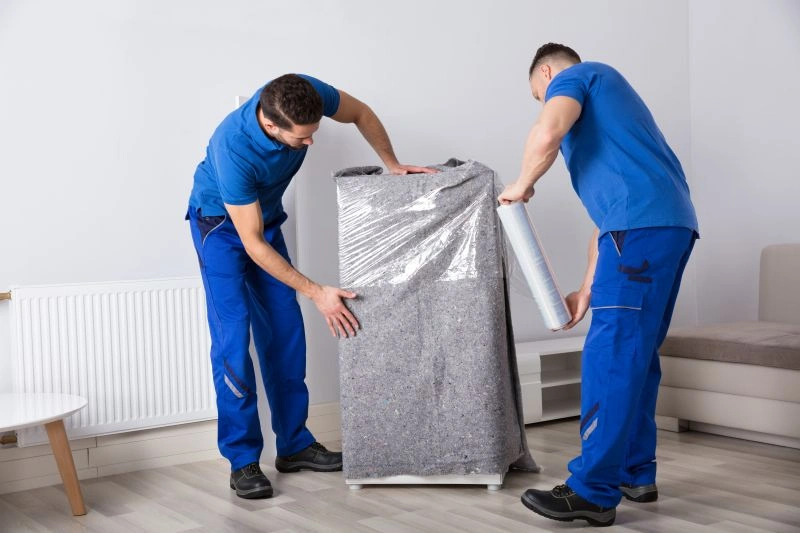
Whether you hire professional movers or rent a truck and do it yourself, getting this sorted well in advance is critical. Moving companies book up quickly, especially on weekends and at the end of the month, the most common moving times.

If you go with professional movers, get at least two or three quotes and compare carefully. Before you confirm a booking, make sure you've checked the following:
- What's included in the base price — labor, truck, fuel, and basic wrapping materials
- Whether they carry liability insurance for damaged or lost items
- If there are extra fees for stairs, long-distance carries, or bulky items
- Their cancellation or rescheduling policy in case your move date changes
- Recent reviews on Google or other platforms, not just testimonials on their own website
If you're renting a truck instead, reserve it early and make sure you have enough help lined up. Factor in the time needed to load, drive, unload, and return the vehicle — it almost always takes longer than expected.
Prepare for Last-Minute Packing and Cleaning
No matter how well you plan, there will always be last-minute packing. It's just part of the process. The key is to anticipate it and leave yourself buffer time rather than scrambling on moving morning.
Set aside a 'last-day box' for the items you'll use right up until you leave — toiletries, a change of clothes, phone chargers, coffee supplies, and cleaning products. Pack everything else as early as possible so that by the day before the move, all that's left are the essentials.
Plan for a final clean of your current home before you hand over the keys. This includes wiping down surfaces, cleaning appliances, vacuuming, and patching any small wall damage if required. Leaving the space in good condition is not just good practice — in most cases, it directly affects whether you get your deposit back.
Conclusion: Start Your New Chapter on the Right Foot
Moving is one of those experiences that can either feel chaotic or manageable, and the difference almost always comes down to how prepared you are going in.
The things to do before moving covered in this guide aren't complicated, but they do require getting started early. The earlier you tackle things like decluttering, notifying service providers, setting up utilities, and planning your layout, the smoother your move will be. And the smoother your move is, the faster you can stop living out of boxes and actually start enjoying your new home.
There's also real value in knowing the things you need to know before moving out — your lease terms, deposit conditions, and cleanup responsibilities. Getting those details right protects you financially and lets you leave your current place on good terms.
Take it one step at a time, use a checklist, and remember: the goal isn't a perfect move. It's a move where you actually feel settled by the end of the first week. With the right prep, that's completely doable.