5 Ways a Professional Packer Ensures Damage-Free Relocation
According to a 2023 report by the Federal Motor Carrier Safety Administration (FMCSA), improper handling and securing of household goods is a primary cause of damage during residential relocation, making the quality of packing one of the most consequential decisions in any move.
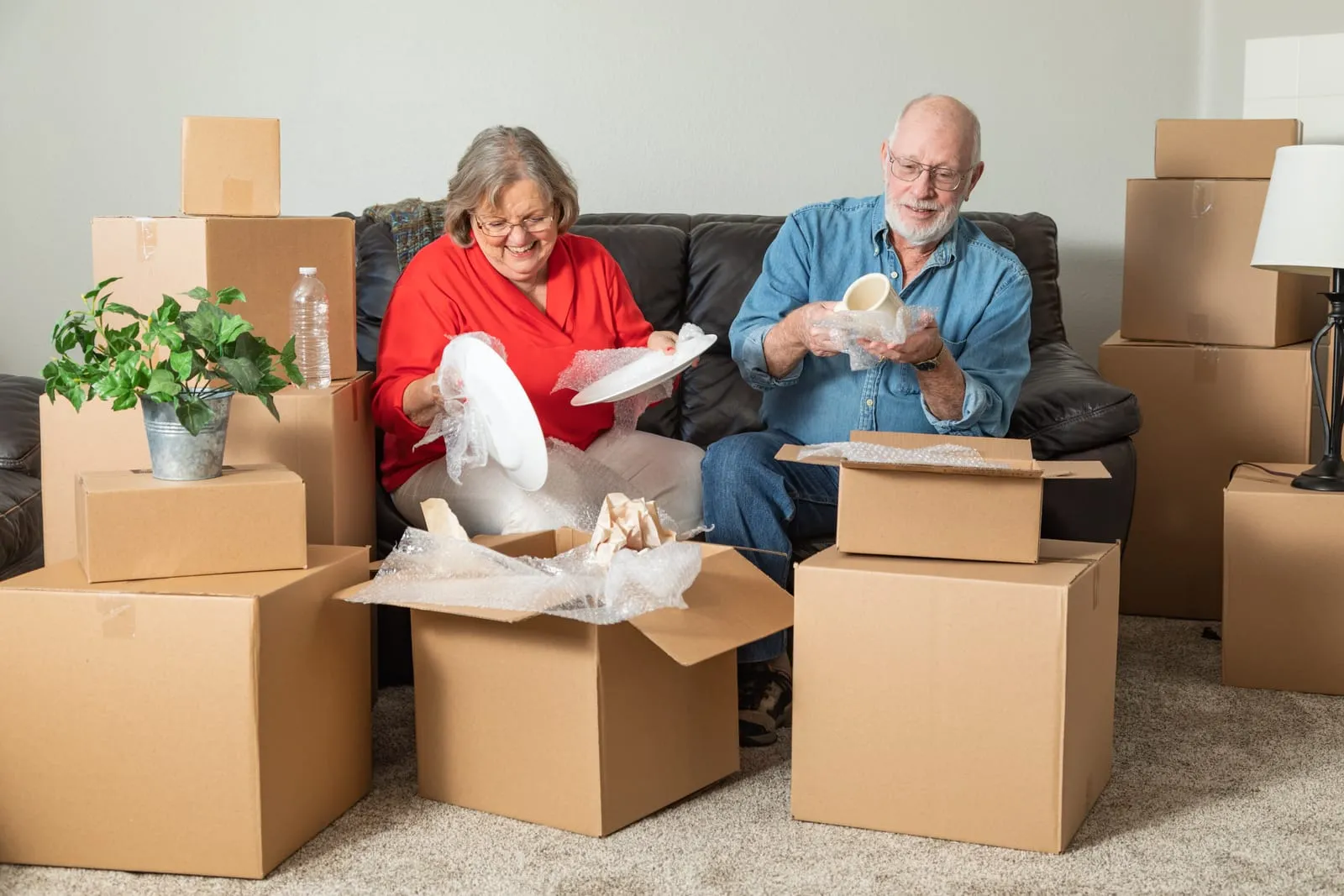
Most people recognize this in theory but underestimate it in practice. The instinct to pack yourself to save money is understandable, but the gap between how professional packers work and how most people pack at home is wider than it appears. Professional packers don't just wrap things more carefully. They assess, organize, disassemble, and load with a methodology that addresses the failure modes of transit that DIY packing consistently misses.
This guide covers the 5 ways a professional packer prevents damage during relocation, along with a clear comparison of professional packers vs. DIY packing, so you can make the right decision for your move.
Why Does Hiring a Professional Packer Make Such a Difference?
The difference between professional packing and DIY packing is not primarily about effort. Most people who pack their own homes work hard and care about protecting their belongings. The difference is in knowledge: knowing which materials to use for which items, how to distribute weight in a box to prevent collapse, which appliances cannot be tilted, how to immobilize contents so that road vibration doesn't cause progressive internal damage, and how to load a truck so that nothing shifts during braking.
According to the Move.org 2025 State of Moving Survey, packing and unpacking is the single most requested professional moving service, with furniture disassembly and assembly coming in second. These are the two tasks where DIY movers most frequently encounter problems and where professional expertise produces the clearest return.
The comparison below shows where the difference translates directly into risk:
What Are the 5 Ways a Professional Packer Ensures Damage-Free Relocation?
Way 1: Expert Assessment of Your Belongings
A professional packer begins with an assessment, not a box. Before any wrapping starts, trained packers evaluate what needs to move, identify items that require special handling, and match the right materials and approach to each category.
This assessment identifies:
- Fragile items that need individual wrapping and cushioning strategies
- High-value items that require specific insurance documentation
- Specialty items such as artwork, instruments, antiques, and electronics that have unique preparation requirements
- Oversized or awkwardly shaped items that need custom crating or disassembly
- Items that should not be packed together due to weight, chemical incompatibility, or fragility differences
A DIY packer works room by room with whatever boxes and tape are on hand. A professional packer works category by category with a materials plan already matched to what they find. This difference in starting point produces a compounding advantage at every subsequent step.
Way 2: Proper Disassembly and Organization
Furniture that is moved and assembled is heavier, more awkward, more likely to damage door frames and stairwells, and more vulnerable to joint stress during loading and transit. Professional packers know which items should be disassembled and how to do it in a way that makes reassembly at the destination straightforward.
The organizational side is equally important. Professional movers don't pack kitchen items with bedroom items, or heavy books in the same box as fragile glassware. They pack by room, by weight category, and by material type, which produces a logical unpacking sequence at the destination and eliminates the cross-contamination of fragile and heavy items that causes most in-box breakage.
Hardware, screws, bolts, and small components are collected in labeled bags and attached to the piece they belong to, not placed loose in a moving box where they get lost. This level of organization is standard for professional packing for moving and is practically absent from most DIY moves.
Way 3: Advanced Packing Techniques
This is where the professional packer advantage is most concrete. How do professional movers pack differently from DIY movers? The difference comes down to five technical practices:
- Complete immobilization. Every item in every box is packed so that it cannot move when the box is shaken. Movement inside a box is the primary cause of in-transit breakage, and professional packers fill every void with appropriate cushioning material before sealing any box.
- Weight distribution. Heaviest items at the bottom of each box, lightest at the top. Boxes are weighted to remain stable when stacked. No box exceeds the weight threshold where stacking creates structural risk.
- Material matching. Bubble wrap for glass and fragile components, foam sheets for electronics and screens, furniture blankets for wood and upholstered surfaces, acid-free tissue for textiles and documents, moving pads for appliances. Each material is selected for the specific item, not applied generically.
- Fragile item isolation. Fragile items are never packed in the same box as heavy items. Glassware is wrapped individually before being placed in boxes with cell dividers. Artwork is corner-protected and crated where appropriate.
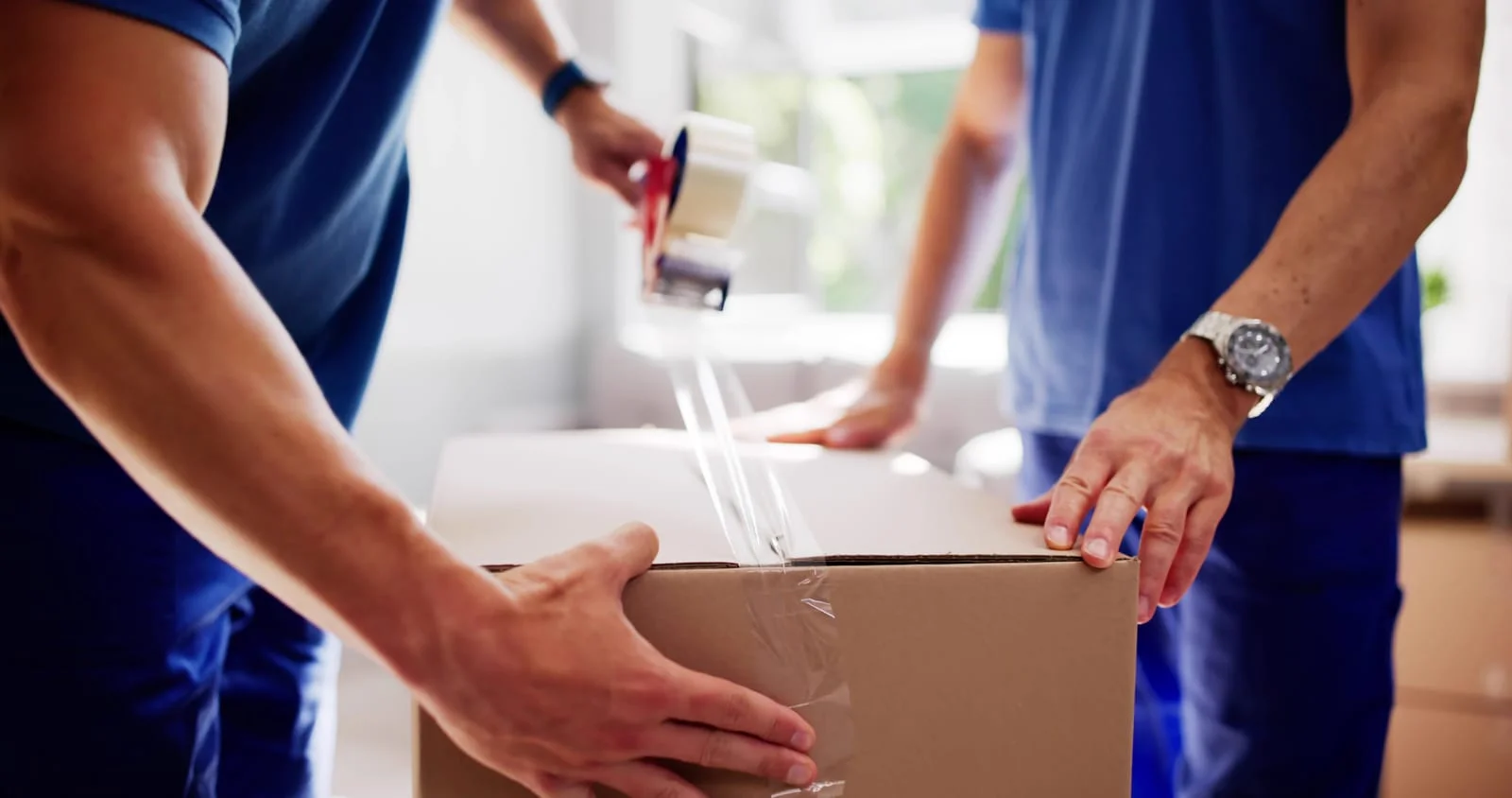
- Proper sealing and labeling. Every box is sealed with the H-tape method and labeled on two sides with contents, destination room, orientation markings, and handling instructions.
A DIY mover who runs out of bubble wrap uses newspaper. A professional packer uses the right material or adjusts the packing configuration to compensate. These decisions, made hundreds of times across a household, determine whether things arrive intact.
Way 4: Safe Handling During Transport
Damage during a move doesn't only happen in boxes. It happens on the path from the house to the truck, during loading, during transit, and during unloading. Each transition point is an opportunity for impact, dropping, tilting, and surface contact that the packing has to survive.
Professional packers and movers address each of these points systematically:
- Floor protection is laid before loading begins: ram board or cardboard along high-traffic paths prevents appliance wheels, dolly feet, and box corners from damaging hardwood or tile floors
- Furniture blankets are applied to all wood and upholstered surfaces before any piece passes through a doorway
- Appliances are kept upright throughout: refrigerators, washers, coffee machines, and mini-fridges that are tilted during transit risk internal component damage that appears only after the unit is restarted
- Boxes are loaded heaviest-first, with fragile boxes positioned away from the truck walls and secured so they cannot shift during braking and turns
- Moving straps are used to secure large items in the truck so that road vibration and cornering do not produce progressive movement
BoxStar Movers' professional packing services apply this level of care consistently across every item, from the first box packed to the last strap tightened. For long-distance moves where the transit period is measured in days rather than hours, BoxStar's long-distance moving services combine packing expertise with appropriate vehicle equipment and securing techniques.
Way 5: Time-Efficient and Stress-Free Relocation
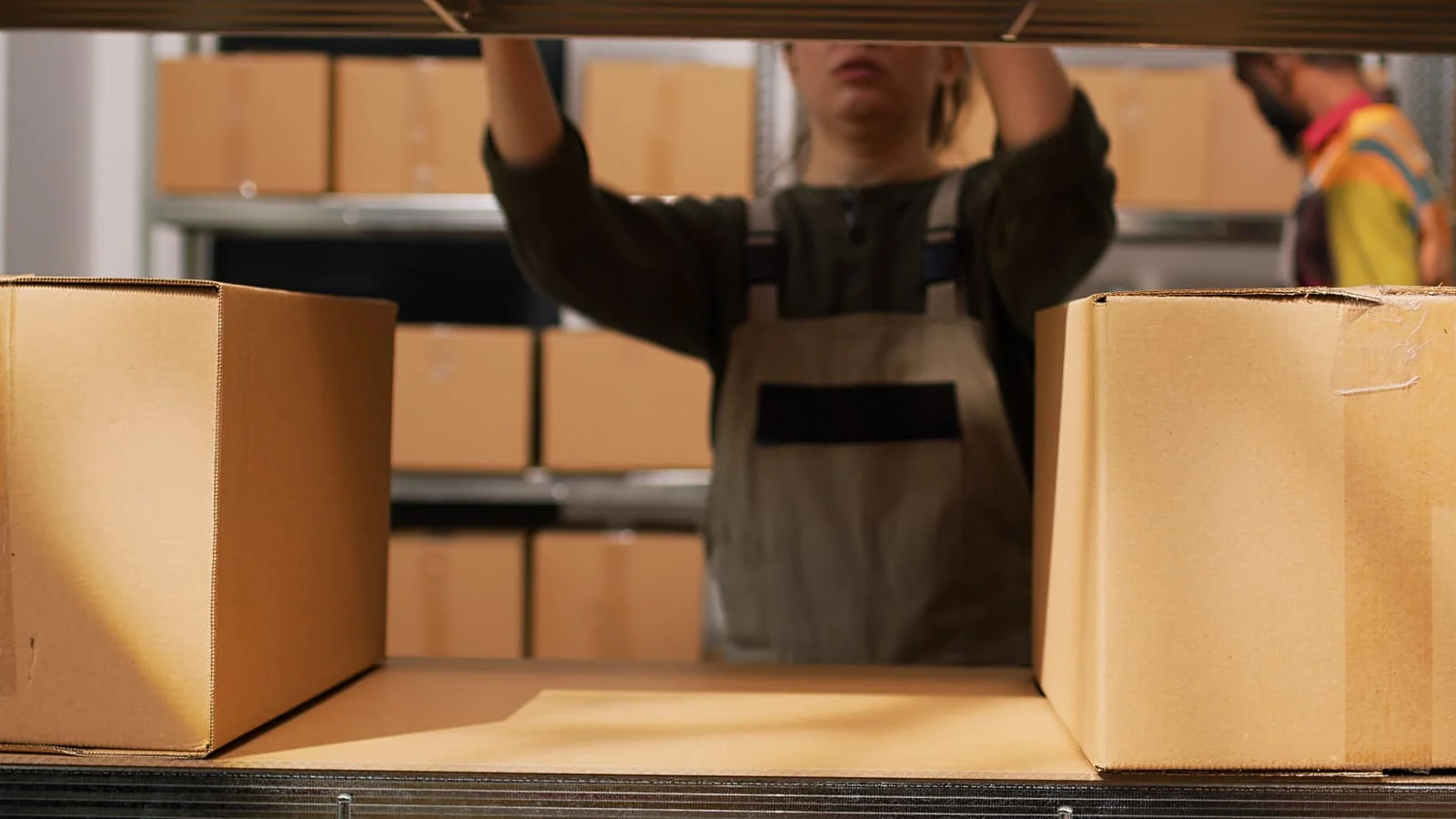
The efficiency advantage of hiring a professional packer is consistently underestimated by people who haven't experienced both approaches. A trained two-person packing crew can pack a two-bedroom apartment in four to six hours. The same household packed by the residents themselves typically takes two to three days and produces a less secure result.
That time difference has a direct impact on stress. According to the Anytime Estimate Moving Trends Survey, 92% of Americans faced at least one significant challenge during their 2024 move. The most commonly cited challenge was managing the stress of the process itself. Professional packing removes the single most time-consuming and decision-intensive task from the mover's plate, freeing up mental bandwidth for the logistics, the administrative tasks, and the emotional adjustment that a move requires.
Beyond time, professional packing comes with accountability. Licensed and insured movers carry liability for the items they pack. If damage occurs, there is a documented claims process. In a DIY move, the mover bears full responsibility for all damage with no coverage beyond whatever renters' insurance may apply.
The Case for Professional Packing Comes Down to Risk Management
Choosing a professional packer is not a luxury decision for people with expensive belongings. It is a risk management decision for anyone whose belongings have value that they cannot afford to replace.
The 5 ways professional packers prevent damage, from expert assessment through transport handling, each address a failure mode that DIY packing either cannot prevent or is unlikely to address consistently. The cumulative effect is a move where damage is rare rather than routine, where time is measured in hours rather than days, and where the logistical burden falls on a trained crew rather than on people managing an already stressful life transition..
Ready for a damage-free move?
BoxStar Movers provides professional packing, licensed movers, and full-service relocation with the care your belongings deserve.
Frequently Asked Questions
What should I expect from professional packing services?
A professional packing service assesses your belongings before packing begins, brings all necessary materials, packs by room and item category with appropriate cushioning and labeling, disassembles furniture where required, and leaves every box properly sealed, labeled, and ready for loading. Most two-bedroom households are fully packed by a professional crew in four to six hours.
How do professional packers handle unusually shaped items?
Irregularly shaped items such as artwork, sculptures, lamps, and large mirrors are assessed individually. Common approaches include custom crating for high-value pieces, purpose-built corner protection and frame wrapping for artwork, and specific cushioning configurations that immobilize the item's unique contact points. Professional packers are trained to identify these items during the initial assessment rather than encountering them mid-pack.
Are there items that professional packers refuse to move?
Yes. Most professional movers will not pack or transport hazardous materials, including flammable liquids, propane tanks, paint, pesticides, and household chemicals. Perishable food, live plants, and items of sentimental value that cannot be insured at replacement cost are also typically excluded or transported separately by the owner. A reputable mover provides a written list of excluded items before the packing date.
How long does professional packing take for a standard household?
A professional two-person crew typically packs a one-bedroom apartment in two to three hours, a two-bedroom in four to six hours, and a three- to four-bedroom home in six to ten hours. These timelines assume the home is reasonably organized before the crew arrives and that specialty items such as artwork or instruments have been identified in advance.
Can professional packers pack hazardous materials safely?
No. Licensed moving companies are prohibited by federal Department of Transportation regulations from transporting hazardous materials, including flammable, corrosive, explosive, or toxic substances in standard moving vehicles. These materials must be disposed of, transported separately by the owner in personal vehicles, or handled by specialized hazardous materials transporters. Your mover can advise on disposal options for common household chemicals before your move date.