
The Do's and Don'ts of Moving Office Furniture
According to workforce mobility research published by Market.biz in 2025, roughly 40% of companies relocate their office space every five to seven years, with an average per-employee moving cost of $4,000 to $7,000 depending on company size.
That number tells you something important: offices move a lot more often than people think, and most of them are not prepared for what it actually takes to get a desk, a server rack, or a conference table from point A to point B without damage.
Whether you are relocating a five-person startup or a 200-desk corporate floor, the fundamentals do not change much. You need a plan, the right materials, and a team that knows how to handle commercial-grade furniture without scratching it, breaking it, or losing track of it. Let's get into the details.
Why Moving Office Furniture Is Different From a Home Move
Moving office furniture is different from a home move because the items are heavier, more specialized, and tied directly to business operations. A home move can usually absorb a delay of a day or two. An office move cannot, because every hour a desk sits in pieces is an hour your team is not working. Downtime is the real cost of a bad office move, not just the furniture itself.
Office furniture also tends to be built for durability rather than easy transport. Filing cabinets are heavier than they look. Modular workstations have wiring and cable management built in. Conference tables often have glass or veneer tops that crack under uneven pressure. None of this is impossible to handle, but it does require a different approach than tossing a couch onto a truck.
Furniture Damage Costs More in a Commercial Setting
A damaged dining table at home is annoying. A damaged set of ergonomic chairs or a broken server cabinet can mean replacement costs running into the thousands, plus the lost productivity while you wait for new equipment. Commercial movers who specialize in office moving services build their process around minimizing exactly that kind of risk.

Five Do's Every Office Move Needs to Get Right
Getting office furniture moving projects right starts with planning long before the truck shows up. These are the habits that separate a smooth office relocation from a chaotic one.
Do Inventory Everything Before the Move
Walk every floor and list every piece of furniture, equipment, and fixture that needs to be moved. This single step prevents the most common mistake in office relocations: items getting left behind or misplaced during the chaos of moving day.
- Tag each item with a label that matches its new location, such as "3rd Floor, Room 304."
- Photograph valuable or fragile pieces before disassembly so you have a reference for reassembly and a record in case of damage.
- Note electrical and data connections for desks, monitors, and shared equipment so reconnection goes faster at the new site.
Do Disassemble Furniture Properly
Disassembling office furniture properly protects both the furniture and the people moving it. Cubicle panels, modular desks, and conference tables are usually designed to come apart, and doing so reduces weight, prevents stress fractures, and makes everything easier to carry through doorways and elevators.
Keep all hardware (screws, bolts, brackets) in labeled bags taped directly to the matching furniture piece. Losing a single bracket can delay reassembly by hours while someone hunts down a replacement part.
Do Use the Right Equipment
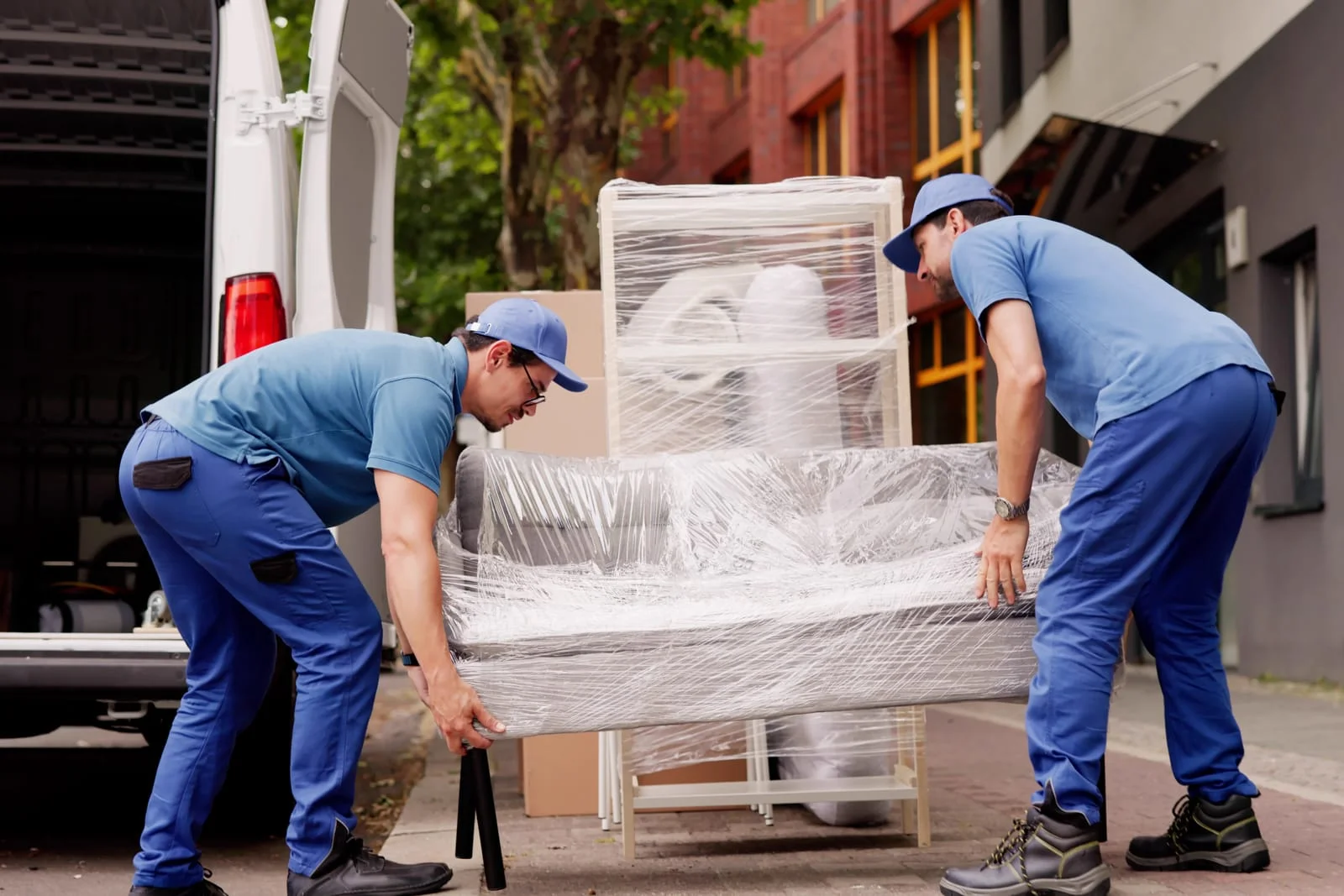
Office furniture moving requires more than a few strong backs. Dollies, furniture sliders, moving blankets, and shrink wrap all protect items from scratches, dents, and structural stress during transport. Heavier items like filing cabinets and safes often need a four-wheel dolly rated for several hundred pounds.
Do Protect Floors and Doorways
Commercial buildings often charge fees for scuffed floors or damaged walls during a move. Laying down floor runners and using corner guards on doorways protects the building and avoids unnecessary repair bills landing on your company's bill at the end of the lease.
Do Hire Movers Who Understand Commercial Furniture
A team experienced in moving office furniture knows how to handle items that a general moving crew might not see often, like server racks, glass partitions, and modular systems furniture. Working with professionals who offer white-glove moving services means extra care for high-value or fragile office assets, including custom crating where needed.
Five Mistakes That Derail an Office Furniture Move
Knowing what not to do matters just as much as knowing the right steps. These mistakes show up again and again in commercial relocations, and most of them are completely avoidable.
Don't Skip the Building Logistics Check
Don't assume your new or old building can accommodate a move without checking first. Many commercial buildings require a Certificate of Insurance from the moving company, restrict elevator use to specific hours, or require advance booking of loading docks.
Call the property management office at both locations at least two weeks before the move. Confirm elevator reservation windows, loading dock access, and any required paperwork.
Don't Overload Boxes or Drawers
Heavy items packed into oversized boxes become both a safety hazard and a furniture risk. Movers lifting an overloaded box can lose grip, and the box itself can buckle and damage whatever is inside it or nearby. Keep filing cabinet drawers empty or close to empty during transport, since the added weight stresses the frame and the dolly.
Don't Forget to Label Cables and Electronics
Office furniture moving often involves shared workstations with complicated cable setups for monitors, docking stations, and phones. Skipping the labeling step means hours of guesswork when it's time to reconnect everything at the new office. A simple system of colored tape or numbered tags on each cable end saves significant time during setup.
Don't Ask Employees to Move Heavy Furniture
Asking employees to move office furniture themselves seems like a way to save money, but it usually backfires. Untrained staff moving heavy desks or cabinets risk injury, and the company can face liability for workplace accidents during a self-managed move. The average cost of a workplace lifting injury claim runs well into the thousands of dollars, far more than the cost of professional movers.
Don't Rush the Timeline
A rushed move-office-furniture timeline leads to mistakes: missing inventory, damaged items, and confused employees on the first day in the new space. Planning at least four to six weeks ahead of a commercial move gives enough time to coordinate building logistics, hire movers, and communicate the plan to staff.
How to Plan an Office Furniture Move Step by Step
Planning an office furniture move step by step keeps the project organized from the first walkthrough to the final reassembly. Following a structured sequence reduces the chance of missed details that cause delays on moving day.
- Conduct a full walkthrough of both the old and new spaces to compare layouts and identify furniture that will or will not fit.
- Create a furniture inventory with photos, dimensions, and destination labels for every item.
- Confirm building logistics, including elevator bookings, loading dock access, and insurance requirements at both locations.
- Schedule disassembly and packing for two to three days before the actual move date when possible.
- Communicate the timeline to employees so everyone knows what to pack personally and when desks will be unavailable.
- Hire a commercial moving crew experienced with office furniture rather than a general residential team.
- Plan the reassembly layout in advance so furniture goes directly into its final position instead of sitting in a hallway.
Risks and Considerations Specific to Office Moves
Office relocations carry risks that go beyond scratched furniture. Understanding these upfront helps avoid budget surprises and operational disruption.
- Lease and certificate requirements: Many commercial leases require movers to carry specific liability insurance limits, and buildings can refuse entry to a moving crew that does not provide a valid Certificate of Insurance in advance.
- Data and IT downtime: Disconnecting and reconnecting networked equipment without a plan can knock out phones, internet, or shared systems for longer than expected, directly affecting client-facing work.
- Employee productivity loss: modernizing workspaces during relocation can improve collaboration metrics and team performance by 18% to 22%, according to workforce mobility research from Market.biz, but only when the move itself is executed without major disruption.
- Furniture replacement costs: Specialized commercial furniture, like ergonomic chairs or modular workstation systems, is expensive to replace and often has long lead times if damaged during the move.
- Compliance and accessibility: ADA-compliant layouts and fire code clearances need to be respected in the new space, which means furniture placement is not just about aesthetics.
A poorly planned office move costs far more in lost productivity than it ever saves in DIY labor. Businesses that treat furniture moving as a real logistics project, not an afterthought, consistently report smoother transitions and fewer post-move headaches.
Plan the Furniture First, and the Rest of the Move Falls Into Place
The single most important takeaway is that moving office furniture is a logistics challenge first and a labor challenge second. Companies that inventory their furniture, plan disassembly carefully, and bring in a crew experienced with commercial spaces avoid the vast majority of problems other businesses run into. Getting the planning right protects your equipment, your timeline, and your team's ability to get back to work fast.
A well-executed office furniture move sets the tone for the entire relocation, and it does not have to be stressful when the right plan and the right team are in place. If you are weighing how much help you need, our moving labor help services can fill in the gaps for businesses that want flexible support without booking a full move package.
Ready to move your office without the headaches?
Get a free quote from BoxStar Movers and let our commercial moving team handle the heavy lifting.