Office Furniture Movers – Top Tips for a Smooth Business Relocation
Rassul Yeshpayev
February 5, 2026
Rassul Yeshpayev
February 5, 2026
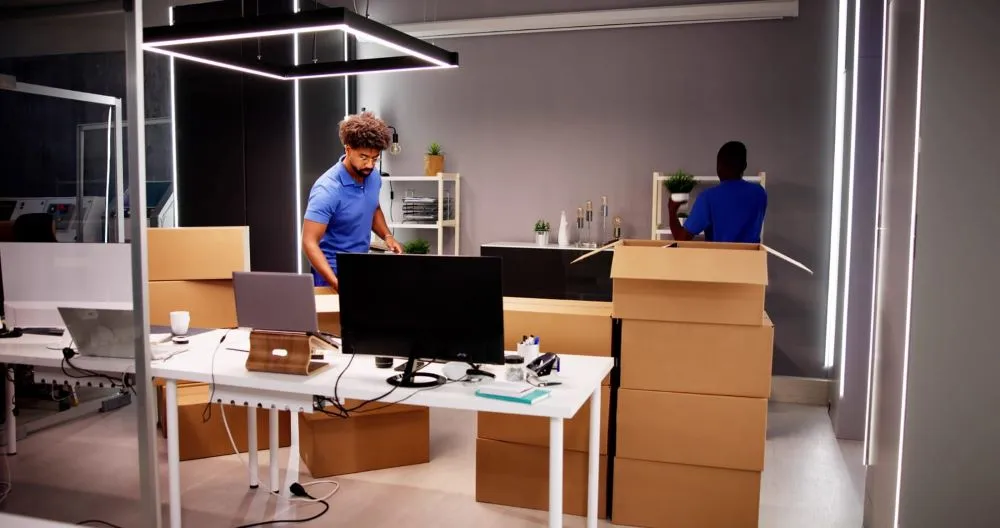
Relocating an office is a high-stakes operation where time directly affects revenue, productivity, and employee stability. Without a structured plan, office moves can lead to extended downtime, damaged equipment, and disorganized workspaces. Relying on experienced office furniture movers helps businesses transfer operations efficiently while protecting assets and maintaining workflow continuity.
Unlike residential moves, business relocations involve interconnected systems. Workstations, IT infrastructure, conference rooms, and storage areas must transition in coordination. Understanding how movers for office furniture operate and how to prepare internally makes the difference between a smooth transition and operational disruption.
Many companies underestimate how complex an office relocation can become. Furniture must be dismantled, electronics disconnected safely, sensitive documents secured, and new floor plans implemented quickly. Professional office furniture movers specialize in managing these challenges, ensuring that physical relocation aligns with business continuity goals.
What Makes Office Moves More Complex Than Home Moves
Office relocations involve layered systems that must stay functional throughout the transition. Every department, workstation, and device has dependencies that affect business output.
IT Equipment and Cable Systems
Modern offices rely on integrated networks, servers, and device ecosystems. Disconnecting and reconnecting this infrastructure without documentation risks data loss and prolonged outages. Office furniture movers often coordinate with IT teams to ensure cables, hardware, and network equipment are labeled, transported securely, and reinstalled systematically.
Large Workstations and Modular Furniture
Corporate furniture is designed for fixed layouts. Cubicles, conference tables, reception desks, and ergonomic stations often require disassembly before transport. Movers for office furniture are trained to dismantle modular systems without damaging components or losing hardware parts, which speeds up reassembly at the new location.
Business Continuity Risks
Every hour offline can impact revenue and client relationships. Office furniture movers structure relocations to minimize downtime, often performing phased moves outside working hours or during weekends. Maintaining continuity is one of the core reasons businesses choose professional office furniture movers instead of internal handling.

Planning an Office Relocation Step by Step
Effective office relocation starts long before moving trucks arrive. Internal preparation and external coordination must align to avoid workflow disruption.
Conceptual planning elements:
• Mapping how departments will function during transition
• Identifying equipment dependencies between teams
• Establishing realistic relocation timelines
Practical organizational actions:
• Creating a detailed inventory of furniture and devices
• Labeling workstations and corresponding floor plan positions
• Communicating moving schedules to employees
Strategic operational insights:
• Scheduling relocation during low-activity business periods
• Preparing temporary remote work options
• Coordinating IT shutdown and restart windows
These three layers of preparation allow office furniture movers to execute the relocation efficiently while the business maintains structure and clarity.
Creating a Floor Plan for the New Space
A pre-defined layout ensures that furniture arrives at its intended position. Workstation clusters, meeting rooms, and storage areas should be mapped before moving day. This prevents confusion during unloading and allows immediate setup once transport is complete.
Assigning Internal Move Coordinators
Internal coordinators act as communication bridges between departments and office furniture movers. They verify labeling accuracy, answer layout questions, and ensure each team’s assets are handled correctly.
Scheduling the Move to Reduce Downtime
Relocation timing affects productivity. Many companies move in phases, transferring non-essential departments first and core operations last. Professional office furniture movers structure transport schedules to support continuous business operations.
How Office Furniture Movers Handle the Relocation
Understanding how professional office furniture movers carry out a commercial relocation explains why specialized experience is essential for business moves. Office environments contain interconnected furniture systems, sensitive equipment, and space-dependent layouts. A structured relocation process ensures that every workstation, conference room, and shared area is rebuilt accurately in the new location, allowing business operations to resume without unnecessary disruption.
Professional movers for office furniture approach relocation as a coordinated sequence rather than a simple transport task. Each stage—from preparation to final placement—is designed to protect assets, preserve layout logic, and minimize downtime. This level of organization is what separates professional office furniture movers from general moving crews.
Disassembly and Protection of Furniture
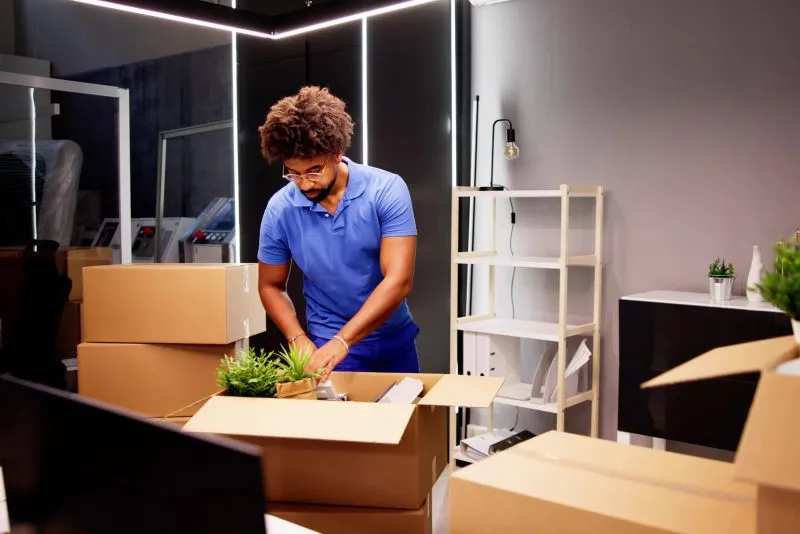
Office desks, modular panels, conference tables, and storage systems are rarely designed for repeated movement. They must be disassembled with attention to how components fit together. Movers for office furniture document hardware placement, label panels, and group fastening elements to ensure smooth reassembly later. This prevents lost screws, mismatched parts, or structural instability in the new office.
Surfaces are protected with padding, corner guards, and wrapping materials to prevent scratches, dents, and pressure marks during handling. Glass partitions, reception counters, and laminated worktops require extra reinforcement to avoid cracking or warping in transit. Professional office furniture movers also secure loose drawers and adjustable parts so that nothing shifts unexpectedly during loading.
Secure Transport and Placement
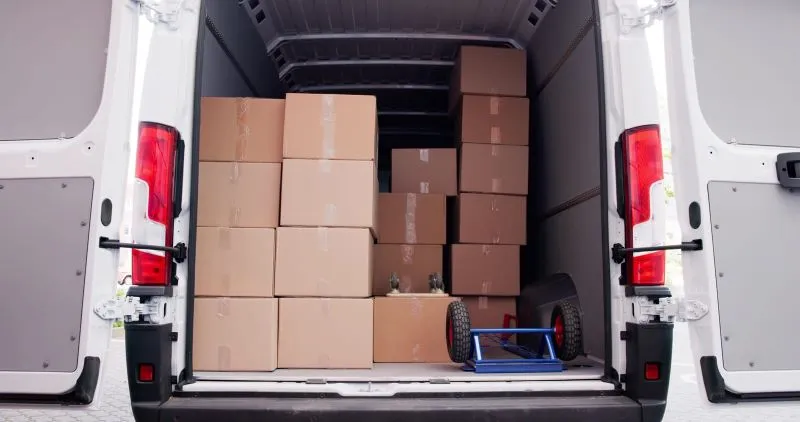
Commercial moving vehicles used for office relocation are equipped with load-balancing systems, tie-down rails, and shock-absorbing restraints specifically designed for corporate assets. Movers for office furniture organize loading by room sequence and weight distribution, which prevents shifting during transport and ensures efficient unloading order.
Upon arrival, furniture is carried directly to assigned zones based on pre-established floor plans. Each workstation, table, and cabinet is placed in its designated location rather than stored randomly for later sorting. This approach reduces confusion, saves internal labor time, and allows IT teams and department leads to begin setup immediately.
Post-Move Setup and Adjustments
After unloading, professional office furniture movers handle reassembly of modular workstations, conference rooms, shelving systems, and reception areas. Components are reconnected following original configurations, ensuring ergonomic alignment and structural stability. Panels are leveled, desk systems are secured, and movable parts are tested for proper function.
Final placement adjustments are also part of the process. If spacing refinements or layout tweaks are needed, movers for office furniture reposition elements safely without damage. This attention to finishing detail ensures employees return to complete, functional workspaces instead of unfinished construction zones.
Through systematic disassembly, protected transport, and precise reinstallation, professional office furniture movers transform complex corporate relocations into organized transitions. Their structured approach protects assets, supports business continuity, and restores full office functionality with minimal operational interruption.
Common Mistakes Businesses Should Avoid
One of the most common errors in office relocation is underestimating planning time. Without early preparation, labeling becomes inconsistent, IT dependencies get overlooked, and departments lose track of critical assets.
Another frequent mistake is attempting to self-manage dismantling and transport. Improper handling of office furniture often leads to broken panels, missing hardware, and delayed reassembly.
Poor communication also creates disruption. When staff do not know packing schedules or relocation phases, confusion spreads across departments and affects morale. Clear internal communication paired with professional office furniture movers prevents these problems.
Technology transition remains a critical consideration during office relocation, where IT infrastructure requires careful coordination rather than last-minute handling. Insights shared in Forbes Tech Council’s perspective on IT office moves reflect how structured planning helps minimize data downtime and operational disruption during relocation.
Office Moving Success Checklist
A successful business relocation is the result of coordination, not speed. Sorting assets early, mapping new workspace layouts, aligning IT transitions, and working with experienced office furniture movers all contribute to operational stability.
When movers for office furniture follow a structured plan and internal teams stay informed, the transition becomes predictable instead of stressful. Professional office furniture movers ensure that physical relocation supports business continuity rather than interrupting it.
A well-executed office move protects productivity, employee confidence, and business momentum. By approaching relocation as a managed process rather than a one-day event, companies settle into new spaces ready to operate from day one.


.webp)