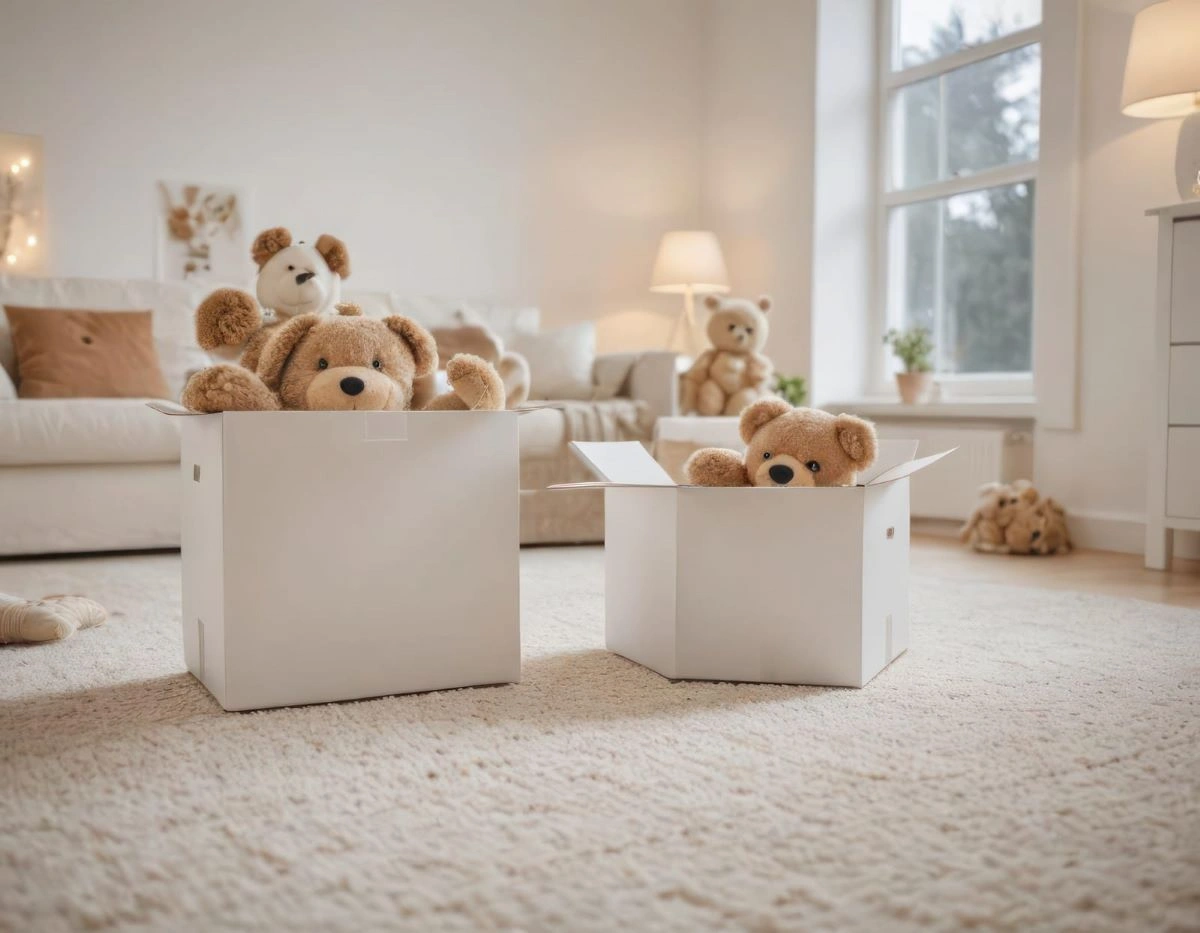
Moving With Kids: How to Prepare Your Family for a Stress-Free Move

Rassul Yeshpayev
December 26, 2025
Rassul Yeshpayev
December 26, 2025
Moving with kids is not just a change of address. For children, it often means leaving behind familiar spaces, routines, friends, and a sense of predictability. Even when a move is positive, it can still create uncertainty and emotional tension. Families who approach relocation with patience and awareness tend to experience fewer conflicts and smoother adjustment periods, both during the move and long after the boxes are unpacked.
How Children Experience Moving Differently Than Adults
Emotional Reactions Kids May Have
When moving with kids, adults often approach the situation as a practical project. They think in terms of schedules, budgets, paperwork, and logistics. Children experience the same event very differently. For them, a move is primarily emotional, not organizational. Feelings such as anxiety, sadness, excitement, fear, and even anger can exist at the same time, shifting from day to day or even hour to hour.
Younger children may not have the language to explain what they feel, so emotions often surface through behavior: clinginess, irritability, sleep disturbances, or regression in habits. Older children and teenagers may express their discomfort more directly, questioning the decision, withdrawing socially, or showing resistance. These reactions are not uncommon when families are moving with kids, especially if the move disrupts friendships or school routines.
It is important to recognize that these responses are rarely about defiance or attitude. They are often rooted in a loss of control. Children typically have little influence over the decision to move, yet they experience its consequences immediately and deeply. Their world changes overnight, while adults may still feel anchored by work, relationships, and a sense of agency.
Why Stability Matters During Relocation
Stability acts as an emotional anchor for children during periods of change. When moving with kids, many familiar reference points disappear at once: bedrooms, daily routes, neighbors, schools, and favorite places. This accumulation of change can feel overwhelming, particularly if it happens quickly or without clear emotional support.
Consistent routines help counterbalance this disruption. Regular meal times, bedtime rituals, and family traditions provide predictability when everything else feels uncertain. Even small points of consistency send a powerful message that some parts of life remain safe and unchanged.
Stability also matters on a relational level. Children need reassurance that family dynamics, expectations, and emotional availability will remain intact after the move. When parents maintain calm communication and steady boundaries, children are more likely to adapt without prolonged stress. In the context of moving with kids, stability is not about preventing change, but about creating a reliable emotional framework that helps children adjust at their own pace.

Preparing Kids Before the Move Happens
Preparation is where families can make the biggest emotional difference. How children are included and informed often shapes their long-term perception of the move itself.
- Understanding what the move represents
For children, moving often feels like something being taken away rather than something being gained. They may worry about losing friends, teachers, or favorite places. Acknowledging these concerns helps validate their experience instead of minimizing it. - Recognizing age-based differences
Younger children may fear separation or abandonment, while older kids often focus on social disruption and identity. Preparation should be tailored to developmental stages rather than handled uniformly. - Balancing honesty with reassurance
Children benefit from truthful explanations, but they also need emotional reassurance that their core support system remains unchanged. - Explain the move early and clearly
Share information as soon as plans are certain. Sudden announcements leave little time for emotional processing and can increase resistance. - Invite age-appropriate involvement
Let children help choose paint colors, decorate their new room, or plan how to say goodbye to friends. Participation restores a sense of control. - Preserve familiar routines
Keeping meal times, bedtime rituals, and family habits consistent creates emotional continuity amid physical change. - Avoid overwhelming details
Too much information at once can heighten anxiety. Gradual conversations tend to feel safer and more manageable. - Focus on connection, not persuasion
The goal is not to convince children that moving is “fun,” but to help them feel heard and supported.
When and How to Tell Children About the Move
Timing matters. Conversations should happen early enough to allow adjustment, but not so early that uncertainty lingers. Use simple language, invite questions, and allow emotions to surface naturally. Some families find it helpful to revisit the conversation multiple times as the move approaches.
Letting Kids Participate in Decisions
Participation does not mean transferring adult responsibility to children. It means offering choices within safe boundaries. Small decisions help children feel respected and involved without overwhelming them.
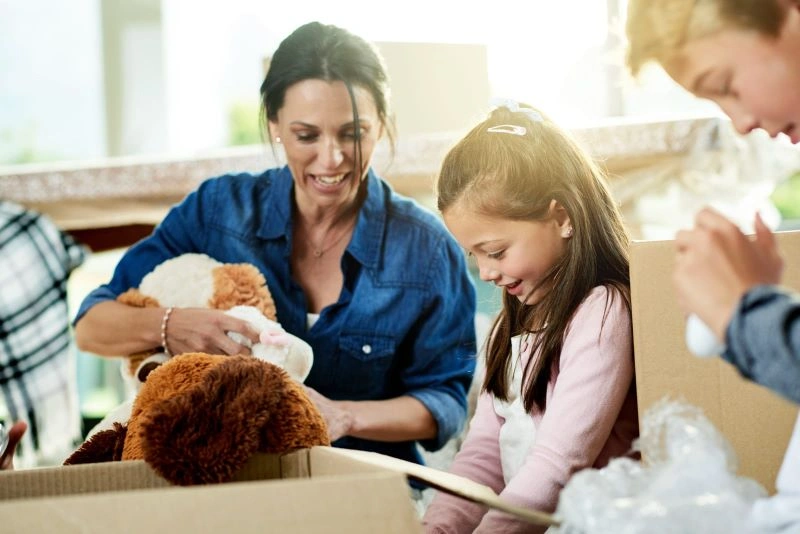
Managing the Moving Day With Children
Moving day itself can be chaotic, especially for families. Children are sensitive to stress and often mirror adult emotional states.
Creating a Safe and Calm Environment
Designate a quiet, predictable space for children during the move. This could be a trusted caregiver’s home or a familiar room stocked with favorite items. Keeping children away from the busiest areas reduces sensory overload and emotional strain.
Families often rely on general relocation practices outlined in moving tips for families to maintain structure on moving day without turning it into a high-pressure event.
Handling Unexpected Situations
Delays, weather issues, or misplaced items can disrupt even the best plans. Calm responses from adults reassure children that setbacks are manageable. When problems arise, explaining what is happening in simple terms helps reduce fear and confusion.
Helping Kids Settle Into a New Home
The move does not end once belongings arrive. Adjustment continues for weeks or months as children rebuild familiarity.
Rebuilding Daily Routines
Reestablishing routines quickly signals safety. Familiar bedtime rituals, family meals, and shared activities help children anchor themselves emotionally in the new space. Predictability often matters more than speed during this phase.
Encouraging Positive Associations With the New Space
Allow children to personalize their rooms early. Familiar objects, photos, and toys create emotional continuity. Exploring the neighborhood together also helps transform unfamiliar surroundings into shared family experiences.
Some families find it helpful to reflect on the meaning of leaving an old home while framing the new one as a place where fresh memories can grow, rather than a replacement for what was lost.
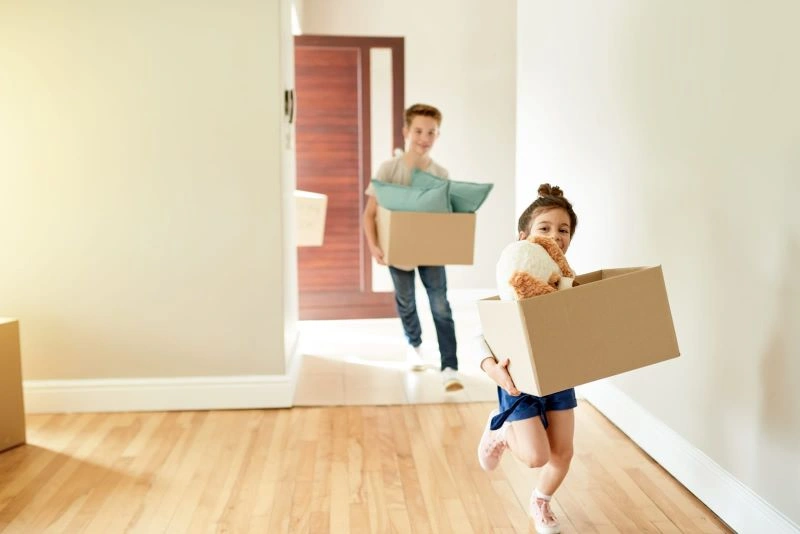
Key Takeaways for Families Moving With Kids
Moving with kids is as much an emotional transition as it is a physical one. Children experience relocation through feelings of uncertainty, loss, and adjustment, often long before adults notice visible signs of stress. Patience, open communication, and consistency play a central role in helping children adapt.
Research and guidance from child mental health professionals, including perspectives shared by the American Academy of Child and Adolescent Psychiatry, reinforce the importance of emotional support during family moves. When children feel heard and supported, relocation becomes not just manageable, but an opportunity for resilience and growth.


.webp)