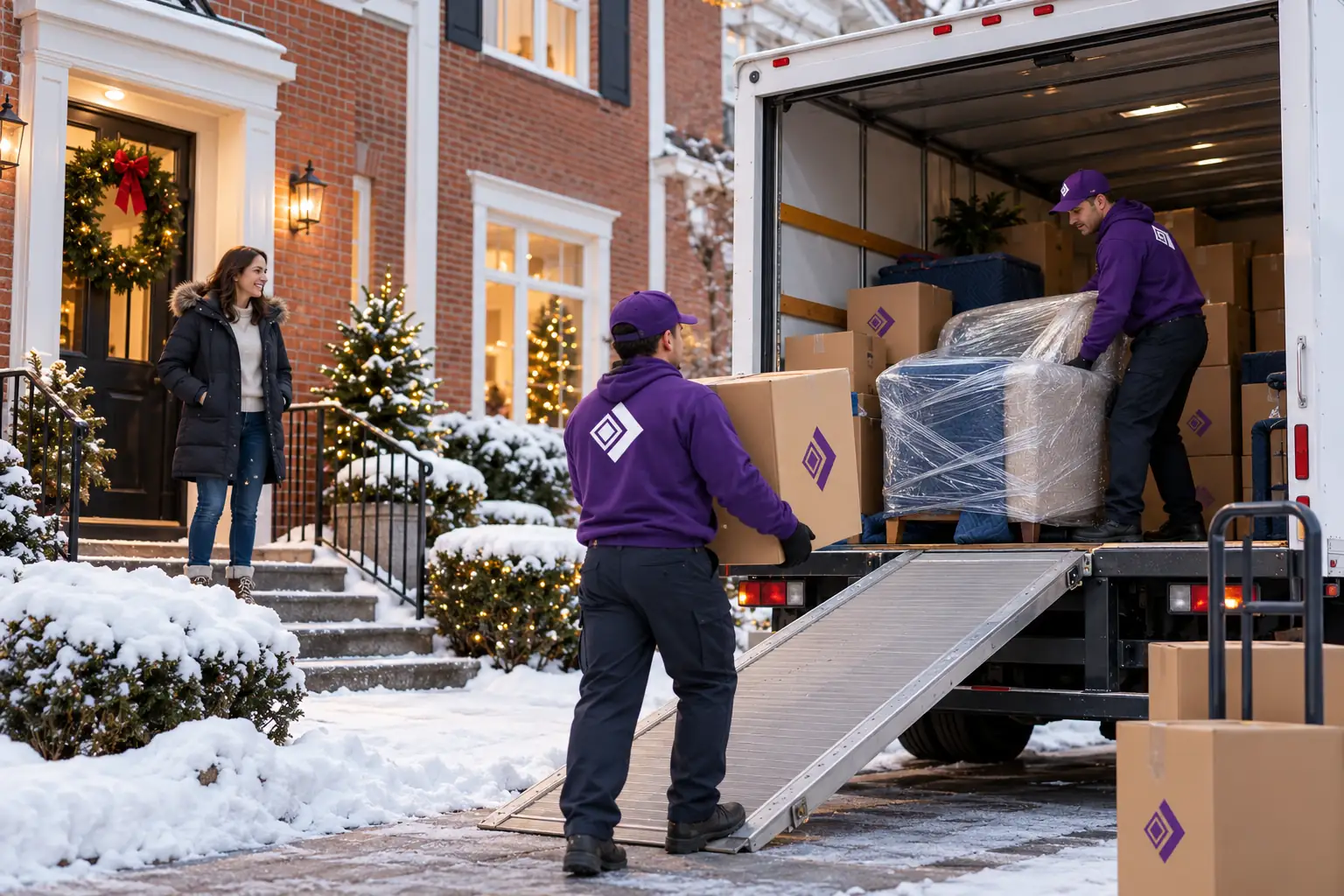
How to Prepare for a Move in Georgetown Without Losing Your Mind (or Security Deposit)

Rassul Yeshpayev
October 29, 2025
Rassul Yeshpayev
October 29, 2025
Moving to a new place, especially a university like Georgetown, can feel like a lot. You've got classes, new people, and the whole Georgetown experience to think about, not to mention getting your security deposit back. This guide is here to break down how to prepare for your move in Georgetown without all the unnecessary stress, focusing on smart packing, making the most of move-in day, and keeping your living space in good shape.
Key Takeaways
- Coordinate with your roommate before move-in day to sort out shared items and break the ice.
- Pack an 'open first' box with essentials like toiletries and a change of clothes for easy access upon arrival.
- Understand Georgetown's move-in day rules, like assigned arrival times, and be ready for the campus terrain.
- To protect your security deposit, know the cleaning expectations and address any room damage promptly.
- Plan for summer storage needs and familiarize yourself with campus guidelines to avoid issues.
Strategic Packing And Item Management
Coordinate With Your Future Roommate
Moving in with someone new is a big step, and figuring out who brings what can save you a lot of hassle (and duplicate items!). Before you even start packing, have a chat with your future roommate. Discuss big items like furniture, kitchen appliances, and even cleaning supplies. Making a shared list can prevent awkward conversations later and ensure you're both on the same page. It’s also a good time to talk about general living habits and expectations, which can make the transition smoother for everyone involved.
Pack An Essentials Box For Immediate Access
Once you arrive, you're going to want to be able to find things easily. That's where the "essentials box" comes in. This should be the very last box you pack and the first one you open. Think of it as your survival kit for the first 24-48 hours in your new place.
Here’s what typically goes in:
- Toiletries (toothbrush, toothpaste, soap, shampoo)
- A change of clothes and pajamas
- Basic medications and a small first-aid kit
- Phone chargers and any necessary electronics
- Important documents (like your lease agreement)
- A few snacks and water bottles
- Basic tools (screwdriver, pliers, box cutter)
This box will be a lifesaver when you're tired and surrounded by unpacked boxes. You can find some great packing supplies at local Home Depot store or you can call BoxStar Movers and we will get those delivered to your address.
Understand What Items Are Prohibited
Georgetown, like most universities, has rules about what you can and can't bring into dorms. Bringing prohibited items can lead to fines or even having to remove them. Common prohibited items include certain appliances (like hot plates or toasters), halogen lamps, and sometimes even extension cords. It’s always best to check the official Georgetown housing guidelines before you pack. This will save you a headache and potential trouble.
Always double-check the university's official list of prohibited items. What might seem harmless to you could be a safety hazard or violate dorm regulations. It's better to be safe than sorry when it comes to your living space.
Navigating Georgetown's Move-In Day Logistics
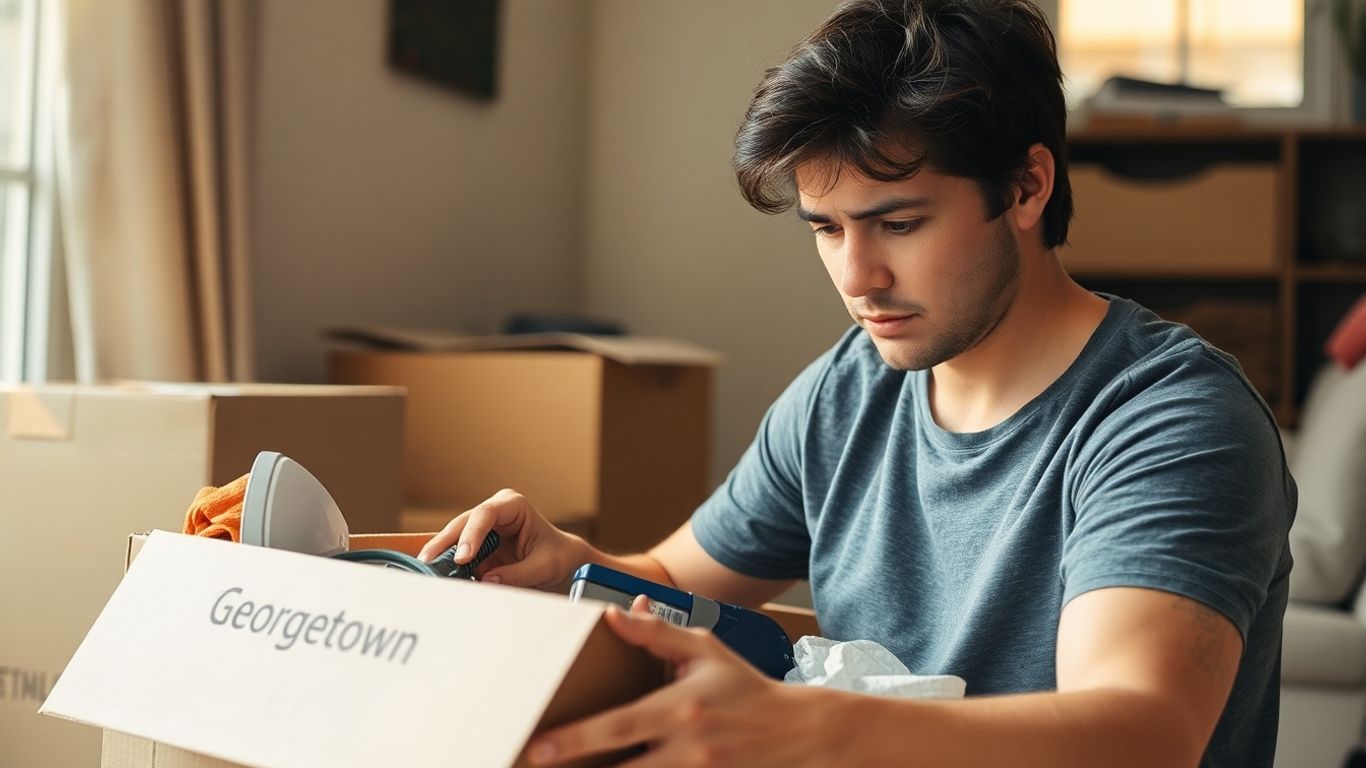
Alright, so move-in day at Georgetown. It’s a big deal, and honestly, it can feel a little chaotic. The university tries to make it work smoothly, but there are definitely a few things to keep in mind to avoid unnecessary stress.
Adhere To Your Assigned Arrival Time
Georgetown staggers when students can arrive. This isn't just to spread out the work for the staff; it's to keep the streets around campus from becoming a total parking nightmare. Seriously, check your email for your specific arrival window and stick to it. If you show up way too early, you might just end up circling the block, adding to the traffic. They usually assign you a specific date and time slot, so make sure you know yours.
Prepare For The Hilltop's Terrain And Climate
Georgetown is known as "The Hilltop" for a reason. You'll be doing a fair bit of walking, and likely carrying stuff up and down inclines. August in D.C. is also usually pretty warm and humid. So, what does this mean for you?
- Wear comfortable shoes. You'll be on your feet a lot, so leave the flip-flops at home.
- Dress in light, breathable clothing. Think cotton or moisture-wicking fabrics.
- Stay hydrated. Bring a reusable water bottle; there are usually water stations around campus.
Remember, everyone else is dealing with the same heat and hills. Don't try to be a superhero and haul everything yourself in one go. Take breaks, drink water, and accept help when it's offered.
Leverage University Staff And Volunteer Assistance
There will be a lot of people around to help you on move-in day. You'll see university staff, and usually a bunch of student volunteers, often wearing bright shirts. They're there for a reason! Don't hesitate to ask them for directions, help with a heavy box, or if you're just not sure where to go next. They've been through it before and know the campus layout and the move-in process. It's also a good idea to have your student ID ready for check-in, as they'll need it to give you your room key and any welcome materials. If you're assigned a specific unloading zone or parking spot, follow those directions closely to keep things moving.
Building Community On Arrival

Moving into a new place, especially a college dorm, can feel a little overwhelming. But it's also a fantastic chance to start building connections. Think of your dorm floor as your first neighborhood here at Georgetown. Making an effort to meet people right away can make a huge difference in how quickly you feel at home.
Introduce Yourself To Neighbors And Floor Mates
Seriously, don't be shy. When your roommate's family arrives, or when you see someone else struggling with a box, offer a friendly "hello." It's a small gesture, but it goes a long way. You'll find that most people are just as nervous and excited as you are. A simple introduction can open the door to future friendships. Try to remember names – it shows you're paying attention. Maybe even suggest grabbing a meal together or checking out an orientation event as a group.
Maintain An Open And Welcoming Dorm Room
Once you've got your stuff somewhat organized, consider propping your dorm room door open for a bit. This is a classic move for a reason: it signals that you're approachable and open to visitors. People walking by might just pop in to say hi, and you'll likely meet a bunch of new faces this way. It's also a good idea to be mindful of shared space. Talk with your roommate about how you'll both arrange your belongings so neither person feels cramped. Maybe agree on who brings what shared items, like a mini-fridge or rug, to avoid duplicates. This kind of communication upfront can prevent a lot of potential friction later on.
Embrace Social Opportunities During Orientation
Georgetown's New Student Orientation (NSO) is packed with events, and it's not just for show. These activities are specifically designed to help you meet your fellow classmates. Don't skip them! Whether it's an icebreaker game, a campus tour, or a casual get-together, participate. These are low-pressure environments where you can strike up conversations and find people with similar interests. You might even find your study group or your lifelong best friend during these first few days. Remember, everyone is in the same boat, trying to figure things out and make new connections. So, jump in, be yourself, and enjoy the process of meeting new people. It's a great way to start your college journey on the right foot, and you might even find some help with moving services if you need it.
The first few days are a whirlwind, and it's easy to get caught up in the stress of unpacking and finding your classes. But take a moment to breathe and connect with the people around you. These initial interactions can shape your entire college experience. Don't underestimate the power of a simple conversation or a shared laugh.
Securing Your Security Deposit
Alright, let's talk about getting that security deposit back. It's not exactly fun, but it's definitely doable if you're smart about it. Georgetown has its own set of rules, and knowing them beforehand can save you a lot of headaches and, more importantly, money.
Understand Move-Out Cleaning Expectations
This is a big one. Landlords and the university expect the place to be returned in pretty much the same condition it was when you moved in, minus normal wear and tear, of course. That means no mysterious stains on the carpet or crayon art on the walls. You'll want to pay close attention to the details.
- Deep Clean Everything: Think beyond just a quick sweep. This includes scrubbing bathrooms and kitchens until they sparkle, disinfecting all surfaces, and cleaning out appliances. Don't forget those often-missed spots like baseboards, vents, and light fixtures.
- Appliance Care: Make sure all appliances are clean inside and out. If you've got a dishwasher or washing machine, run a cleaning cycle. For the fridge, empty it, wipe it down, and make sure it's not left with any lingering smells.
- Floors and Walls: Vacuum carpets thoroughly, and if there are any noticeable stains, consider professional cleaning. Wipe down walls to remove scuffs and marks. If you've got hardwood or tile, make sure it's mopped and free of grime.
Leaving the place spotless isn't just about getting your deposit back; it's about respecting the property and the next person who will call it home. A little extra effort now means a lot less stress later.
Address Any Room Damage Promptly
Accidents happen, right? If you accidentally put a hole in the wall or break a window, don't just pretend it didn't happen. Addressing damage as soon as it occurs is key to minimizing costs. Report it to your landlord or the housing office immediately. Sometimes, they can fix it themselves for less than what a professional would charge, or they might have preferred vendors. Trying to hide damage usually backfires and can lead to bigger charges down the line. It's always better to be upfront and work with them to find a solution. You can often find moving quotes from companies like Boxstar Movers to help with the logistics of moving out, which can indirectly help you focus on these details.
Donate Unwanted Items Through Campus Programs
As you pack, you'll probably realize you have a ton of stuff you don't need or want to haul back home. Instead of just tossing it all, look for campus donation programs. Many universities have initiatives around move-out time to collect items like furniture, clothing, and books for local charities. This is a win-win: you declutter, and your unwanted items get a second life. Plus, it's a much better alternative than paying extra fees to move things you'll just end up storing or discarding later. Check with your RA or the university housing website for specific details on donation drop-off points and times.
Essential Preparations For A Smooth Transition
Getting ready for a move can feel like a lot, but a little planning goes a long way. Thinking ahead about what you need and how to get it organized will make a huge difference. It’s not just about packing boxes; it’s about setting yourself up for success from the moment you arrive.
Create a Detailed Packing Checklist
Don't just wing it when it comes to packing. A good checklist helps you keep track of everything. Start by going room by room and listing out all the items. Then, break it down further by category (e.g., kitchenware, books, clothing). This way, you won't forget those random things that always seem to pop up later. You can even assign boxes numbers and list the contents on your checklist, making unpacking a breeze. It’s also a good idea to overestimate how many boxes you’ll need; you can always return the extras. Consider getting some specialty boxes for fragile items like TVs or artwork.
Plan For Summer Storage Needs
If you're heading home for the summer or moving into a dorm that doesn't allow you to keep your stuff there year-round, you'll need a storage plan. Look into storage unit options near campus or see if the university offers any storage solutions. Book this well in advance, as spaces can fill up quickly, especially towards the end of the academic year. Figure out what you actually need to store and what you can sell or donate. This saves you money and hassle later.
Familiarize Yourself With Campus Guidelines
Every university has its own set of rules and guidelines, and Georgetown is no exception. Before you even start packing, take some time to read through the official move-in information provided by the university. This often includes details about:
- What you can and cannot bring into the dorms (think mini-fridges, hot plates, etc.).
- Specific move-in dates and times, and where to park.
- Information about setting up utilities if you're in an off-campus apartment.
- Rules regarding decorations, furniture, and general dorm living.
Knowing these details upfront can prevent headaches and potential fines. It’s also a good idea to check out the DC's landlord rules regarding security deposits, just to be aware of general expectations for property condition upon move-out, even if Georgetown has its own specific policies.
Moving is a marathon, not a sprint. Breaking down the process into smaller, manageable steps makes it feel less overwhelming. Think about what you'll need immediately upon arrival and pack that separately. Also, consider the condition of your current living space and what needs to be done before you hand over the keys. A little foresight can save you a lot of stress.
Off-Campus Living Considerations
Moving off-campus in Georgetown comes with its own set of challenges, especially when it comes to the actual logistics of getting your stuff from point A to point B. It's not quite the same as a dorm move-in, and you'll likely be dealing with more of the nitty-gritty yourself.
Arrange Parking For Moving Trucks
This is a big one. Georgetown streets are notoriously narrow and parking is a nightmare. You absolutely need to figure out where a moving truck is going to go before moving day. Don't assume you can just pull over and block traffic. You'll need to check with your landlord or building management about designated loading zones or if you need a temporary parking permit. Some areas might have specific time windows for larger vehicles. It’s worth looking into moving companies in Washington D.C. that are familiar with the area; they often know the drill for permits and parking.
Consider Professional Cleaning Services
If you're moving out of an apartment, especially one you've lived in for a while, a deep clean is usually in order to get your security deposit back. Sometimes, it's just not worth the stress and time to do it yourself. Hiring a professional cleaning service can save you a lot of hassle. They know what landlords look for, and it can be a lifesaver when you're exhausted from packing and moving.
Prepare Pets For The Moving Process
Moving can be super stressful for pets. They don't understand why their whole world is being packed into boxes. Before the big day, try to keep their routine as normal as possible. On moving day itself, it's often best to have a friend or family member watch your pet at their place, or keep them in a quiet, secure room with familiar items. This prevents them from getting underfoot or escaping through an open door. Make sure you have all their food, water, and comfort items ready for their new space.
Thinking about moving off-campus? It's a big step! You'll need to figure out rent, utilities, and how to get all your stuff there. Don't let the move itself add to your stress. We can help make your transition smooth and easy. Visit our website today to learn more about our moving services and get a free quote!
You've Got This!
So, moving can feel like a lot, especially in a place like Georgetown. But by taking things step-by-step, like coordinating with roommates early, packing smart, and knowing what to expect on move-in day, you can totally handle it. Don't forget to ask for help when you need it – whether it's from friends, family, or even professional movers. And when it comes to leaving your old place, a little cleaning effort can go a long way in getting that security deposit back. Take a deep breath, remember to stay hydrated, and know that you're setting yourself up for a smooth transition. You've prepared, you've planned, and now you're ready to settle in. Good luck with the move!
Frequently Asked Questions
What should I pack in my 'open first' box?
Think about what you'll need right away when you get to your dorm. This includes things like a change of clothes, your toothbrush and toothpaste, any medicines you take, and your bedding. It's like a mini overnight bag so you don't have to dig through all your boxes to find essentials.
How do I avoid bringing too much stuff, especially with a roommate?
Georgetown will tell you who your roommate is before you move in. Reach out to them! You can figure out who will bring shared items like a mini-fridge or a rug. This way, you won't end up with two of everything and save space in your room.
What items are not allowed in Georgetown dorms?
Universities usually have rules about what you can't bring for safety reasons. Things like candles, incense, toaster ovens, and anything with an open flame are typically not allowed. Always check the school's official housing rules to be sure. It's better to leave something at home than have it taken away.
What if I need help moving my stuff on campus?
Don't hesitate to accept help! Georgetown usually has staff and student volunteers ready to assist with moving boxes and furniture. Let your family help too. They are there to make things easier for you.
How can I make sure I get my security deposit back when I move out?
The key is to leave your room clean and in good condition. Make sure all your trash is gone, and the room is tidy. If you live off-campus, consider hiring professional cleaners. On campus, just do a good job cleaning up yourself to avoid any charges for damage or extra cleaning.
What should I do if I can't take all my belongings home for the summer?
If you live far away or can't take everything with you, look into storage options. Georgetown sometimes works with storage companies that offer special deals for students. This way, your things will be safe until you return.