
How to Pack Clothes for Moving – Best Space-Saving Tips
Rassul Yeshpayev
February 1, 2026
Rassul Yeshpayev
February 1, 2026
Clothing is often the silent space-consumer of any relocation. Without a clear plan, packing clothes for moving quickly leads to overflowing boxes, wrinkled outfits, and frustration when unpacking begins. A thoughtful approach not only protects garments but also reduces box volume and keeps daily routines functioning during the transition.
Moving disrupts familiar patterns in small but impactful ways. One of the first discomforts in a new home is realizing essential clothing is buried somewhere among unmarked boxes. Understanding how to pack clothes for moving efficiently prevents that situation. Clothes may seem simple to pack, yet they require careful handling because fabrics crease, absorb moisture, and lose shape under pressure.
Many people underestimate this stage. They fold clothes randomly, mix categories in the same box, or skip labeling altogether. The result is unnecessary laundry, damaged fabrics, and wasted time. Using the easiest way to pack clothes for moving means treating clothing as a priority rather than an afterthought.
Moving to a new home requires planning and organization to keep the process simple and manageable. Proper packing helps protect belongings and makes settling in easier. Knowing how to pack clothes for moving is an important part of preparing household items for transport.
Start With Sorting Your Wardrobe
Successful packing clothes for moving begins with deciding what actually deserves space in the truck. Sorting your wardrobe early reduces volume, lowers moving costs, and simplifies organization in your new home.
Decluttering Items You Don’t Wear
Most wardrobes contain clothing that has not been worn in years. Old seasonal pieces, uncomfortable garments, or outdated styles take up valuable room. Removing them before packing makes the relocation lighter and prevents filling your new closets with unnecessary clutter. Donating usable clothing also benefits others and reduces waste.
Decluttering additionally gives a realistic picture of how much closet space you will need in your new home. This awareness helps plan storage solutions before arrival instead of reacting afterward.
Separating Daily Wear From Seasonal Clothing
Not every piece of clothing needs immediate access. Daily wear such as work outfits, casual clothes, underwear, and sleepwear should remain available until the last days before the move. Seasonal clothing can be packed earlier and placed deeper in the load.
This separation avoids rummaging through multiple boxes during your first week in the new home and helps maintain normal routines while everything else is still settling.
Deciding What Travels on Hangers
Certain garments lose their shape when folded. Suits, dresses, coats, uniforms, and delicate fabrics should be identified early so wardrobe boxes or garment bags can be prepared. This small decision prevents last-minute improvisation that often leads to wrinkles or fabric stress.
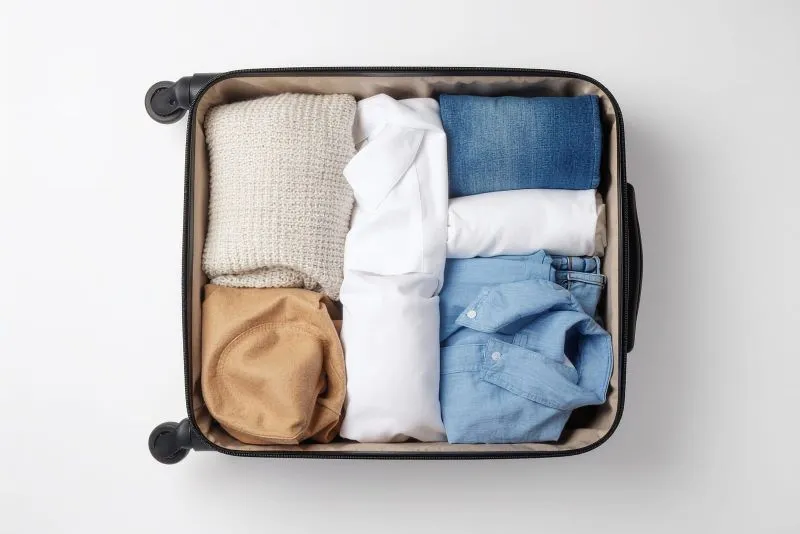
How to Pack Clothes for Moving: Choosing the Right Packing Method for Each Clothing Type
There is no single technique that fits every wardrobe. The most effective packing clothes for moving combines several methods based on fabric type, garment structure, and priority of access.
Conceptual approaches to clothing packing:
• Hanging transport to preserve garment structure
• Folded packing for stackable everyday clothes
• Compressed storage for bulky seasonal items
Practical packing actions:
• Use wardrobe boxes for hanging garments
• Pack folded clothes in suitcases or medium boxes
• Seal bulky fabrics in vacuum compression bags
Strategic space-saving insights:
• Place soft clothing around fragile household items for cushioning
• Fill box gaps with rolled t-shirts, scarves, or towels
• Keep a separate first-week clothing set for immediate access
Combining these layers creates the easiest way to pack clothes for moving while protecting garments and reducing the total number of boxes.
Wardrobe Boxes for Hanging Garments
Wardrobe boxes include built-in hanging rods that allow clothing to travel upright. This method eliminates folding creases and keeps garments ready to hang upon arrival. It is especially effective for structured pieces that require shape retention.
This approach also speeds up both packing and unpacking. Instead of folding and unfolding, clothes transfer directly from old closet to box and from box to new closet.
Suitcases and Duffel Bags for Heavy Clothes
Suitcases are ideal for dense clothing such as jeans, sweaters, and sportswear. Their solid sides protect fabrics from compression damage. Wheeled luggage also simplifies transportation on moving day.
Duffel bags serve a similar role for soft, flexible items. Using luggage reduces the number of cardboard boxes needed and keeps essential clothing accessible throughout the move.
Vacuum Bags for Bulky Items
Vacuum compression bags dramatically reduce volume for jackets, blankets, and off-season clothing. Removing air not only saves space but also protects fabrics from dust and humidity during transport. Ensuring garments are fully dry before sealing prevents trapped moisture and odor development.

Preventing Wrinkles, Odors, and Moisture Damage
Packing technique matters as much as container choice. Overstuffed boxes compress fabrics and create deep creases that are difficult to remove later. Leaving minimal breathing space allows clothing to maintain its shape.
Humidity is another often-overlooked risk. Moving trucks and storage units experience temperature changes that can introduce condensation. Adding moisture absorbers or silica packs inside clothing boxes provides protection. Vacuum bags offer an additional moisture barrier when sealed properly.
Cleanliness also plays a role. Packing worn or damp clothing traps bacteria and creates persistent odors. Washing garments before packing ensures everything arrives fresh and ready to wear.
These preventive steps preserve fabric quality and reduce post-move laundry workload.
Labeling Boxes for Faster Unpacking
Clear labeling transforms unpacking from chaos into a controlled process. Clothing boxes should indicate both room destination and clothing type, such as “Bedroom – Daily Wear” or “Closet – Winter Coats.” This allows movers to place boxes correctly and helps locate essentials quickly.
A first-week clothing box or suitcase should be marked distinctly to prevent it from being stacked away in storage spaces. Visual markers such as colored tape or symbols help when energy runs low after moving day.
Relocation research referenced in Forbes moving tips points to structured labeling systems as a practical way to reduce post-move confusion and accelerate home organization across all packing categories.
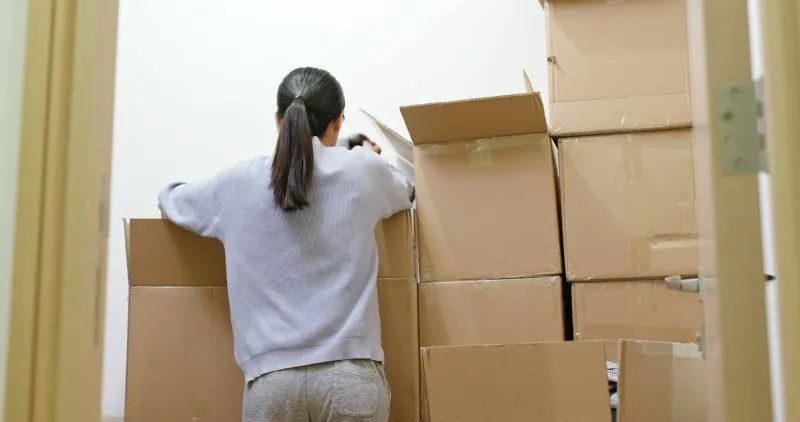
Quick Clothes-Packing Recap
Packing clothes for moving successfully requires planning, not rushing. Sorting wardrobes early, selecting suitable packing methods, protecting fabrics from moisture and compression, and labeling boxes clearly all contribute to a smoother relocation.
When garments arrive organized, clean, and accessible, daily routines recover quickly in the new home. Applying the easiest way to pack clothes for moving reduces unpacking fatigue, prevents damage, and keeps personal comfort intact during a major life transition.
Understanding how to pack clothes for moving properly ensures that one of the most personal and essential parts of your household arrives ready for immediate use, helping your new space feel functional from the very first day.